
AD – In the interest of disclosure and transparency, the syndication of this article has been provided and paid for by FBD Insurance.
Baby on The Way? Top Tips for Child-Proofing Your Home
Getting the news that a baby is on the way is one of the most joyful moments in life, whether you’re the expectant parent, grandparent, or a very excited aunt or uncle. As everyone who’s been through it knows, though, there is a lot to do before the arrival of the little one: you need to prepare the nursery, stock up on nappies, and start the process of child-proofing your home.
With this in mind, FBD Insurance have rounded up five of the most common ways to make your home safe for inquisitive little hands.
Check the basics
All houses should have basic, fundamental safeguards in place such as fire alarms, carbon monoxide alarms and fire extinguishers. Take some time to thoroughly inspect these and make sure they’re all in fully working order, with new batteries and up-to-date inspections. Many household appliances such as boilers or stoves need to be serviced regularly, so now’s the time to make those appointments. Windows and doors should be secure (although also primed for easy escape in the event of fire), so it’s a good idea to work your way around the house, trying all the locks to make sure they’re functioning. The HSE has a very handy check-list to help guide you as you go. Additionally, it may also be a good time to review your home insurance policy to make sure you are protected in case of emergencies.
Consider others who may help look after your child
While many of us would love to stay at home with our newest family members, the sad fact is that we still need to go to work to earn an income. With that in mind, it can be worth considering the needs of any relatives that may be sharing the responsibility of looking after your children.
Invariably, the relatives that help to look after our kids tend to be grandparents. That means that if your smart appliances that are all controlled by your smartphone seems to baffle them, you may need to make some adjustments to make it simpler. Similarly, if they have any mobility issues, you may even find it a good idea to invest in stairlifts. Any elderly parents that aren’t sure-footed will struggle even more if handling a screaming baby or tot mid-tantrum.
Put everything up and away
One of the simplest and easiest ways to get dangerous items out of the reach of children is to put them at a higher level. Clear out tall cupboards or erect shelves so you can place dangerous items such as cleaning fluids, medicines or choking hazards safely out of reach. It’s also a good idea to install some hooks in the hallway for handbags and laptop bags, where they can be easily hung when visitors arrive. Apart from the dangerous items these bags could contain, you might be glad you kept them away from curious little ones who are fond of ‘experimenting’ with lipstick or pens on your walls.
Go down to their level
The best way to get an idea of areas and items that need to be safeguarded is to get on your hands and knees and try to see your home from a baby or toddler’s perspective. When you’re close to the ground, that coffee table might look less stylish and more dangerous, with its fashionably sharp edges. You might even notice that cord swinging from a blind, the extension cable that curls around a lamp, or the slightly loose electrical socket that you never got around to tightening. Going through this process in every room will help you see potential dangers before the little one will.
Make toilet training easier
Learning to use the toilet independently is a significant milestone in a child’s development. Standard toilets are frequently too high for them to use without climbing up or using a stool. Consider getting an efficient saniflo toilet. It doesn’t have to be installed based on standard pipe structure, thus, allowing you to position the toilet at a kid-friendly height.
Get the right gadgets
There are a range of specially-designed items that can help you keep children safe around the home. These include cupboard latches, toilet locks, socket covers, fireguards and corner cushions. While none of them are perfect solutions – children can become expert engineers when faced with the challenge of a locked fridge – they can help give you peace of mind in case your back is turned for a minute. There are also lots of baby-proofing kits on the market now, which make for a thoughtful gift for a baby shower or celebration. There are higher tech solutions, too, such as motion sensors and movement monitors but it’s best to start with the basics. Safety.com recently selected their top ten baby-proofing products for 2020, which might help you narrow down the many choices available.
Let them explore safely
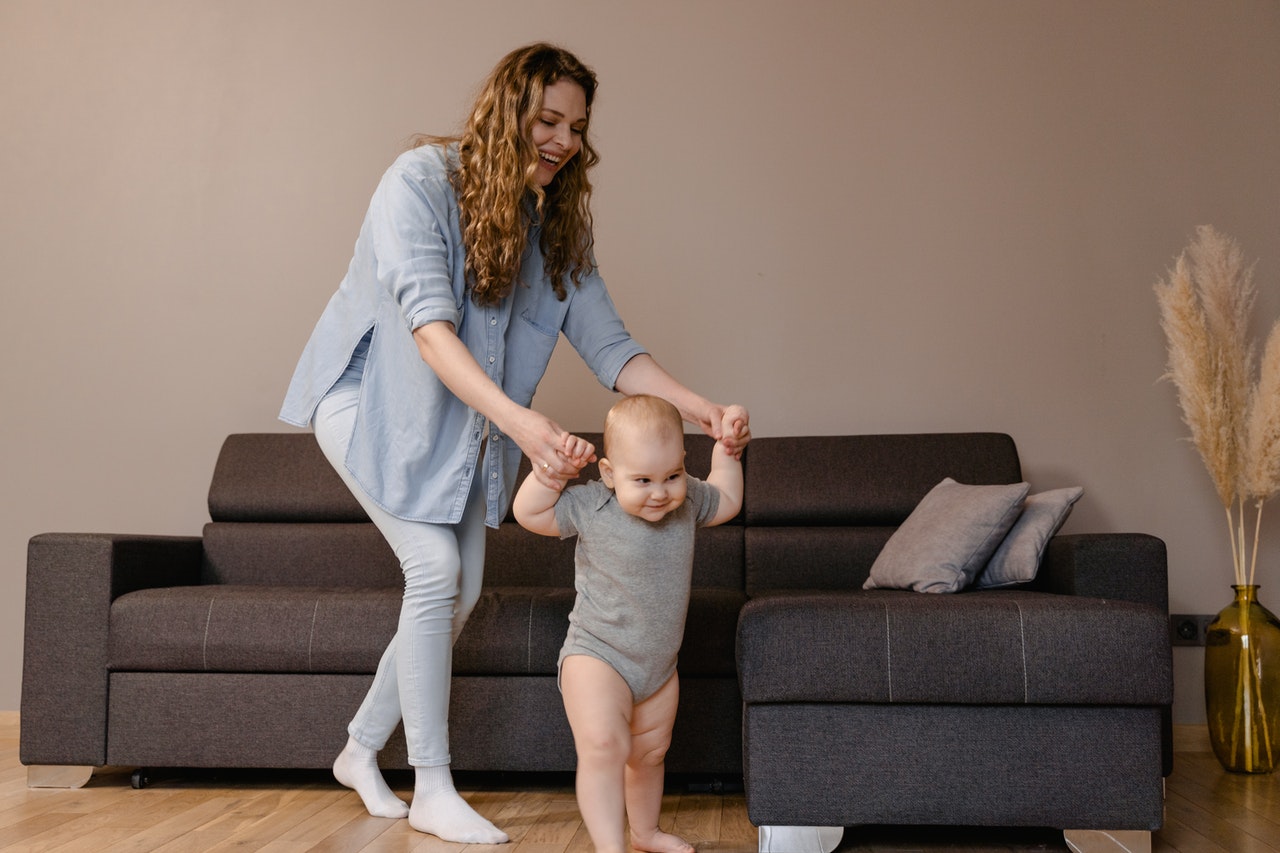
As soon as they can wriggle and roll, babies start to explore. They’re curious about their environment and want to inspect and understand every corner of the home, from the toybox to the television, as well as every socket along the way. It’s up to us to let them have that space to wander, while also making sure they’re protected from dangers. Safety gates are key, blocking access to stairs and also unsafe spaces around the house, such as kitchens, utility rooms or bathrooms. Children also like to pull themselves up (to better survey their empire!) and will often reach for whatever’s near, including bookcases or TV stands, so these need to be fixed securely to a wall.
As the babies grow from wobblers to toddlers, you’ll need to review the child-proofing measures in your home, adapting to their increased height and newly-learned skills.
By the time they’re strapping teenagers, you’ll have a whole host of other challenges to worry about, and you’ll probably need much more than a safety gate to keep them in at night!