
Stainless steel is a ubiquitous material found in a variety of places ranging from kitchenware and cutlery to medical devices and construction.
Its popularity stems from its exceptional resistance to corrosion, strength, and aesthetic appeal. However, like all materials, stainless steel is not entirely impervious to wear and tear.
But what is the extent of the wear and tear that can take place? Does stainless steel tarnish, and what exactly causes it? Below are some tips on how to protect it from scratches, and other forms of deterioration, and looks at just how susceptible it is to rust and corrosion.
What is Stainless Steel?
Stainless steel is an alloy primarily composed of iron, with a minimum of 10.5% chromium content by mass. The presence of chromium is crucial as it reacts with oxygen to form a thin, stable layer of chromium oxide on the surface of the steel.
This oxide layer acts as a protective barrier that prevents further surface corrosion and blocks corrosion from spreading into the metal’s internal structure.
Stainless steel may also contain other elements such as nickel, molybdenum, titanium, and manganese, which enhance its properties such as strength, formability, and resistance to specific types of corrosive environments.

Composition of Stainless Steel
The exact composition of stainless steel can vary, leading to the creation of several types of stainless steel, each with unique properties tailored for different applications:
- Austenitic Stainless Steels: These steels are the most common and contain high levels of nickel and chromium. Grades like 304 and 316 are popular, with 316 offering better resistance to chlorides and other industrial solvents.
- Ferritic Stainless Steels: Containing chromium but little or no nickel, these steels are magnetic and have good resistance to stress corrosion cracking.
- Martensitic Stainless Steels: Known for their high strength and hardness due to higher carbon content, they are used in applications like cutlery and surgical instruments.
- Duplex Stainless Steels: Combining austenitic and ferritic properties, these steels offer superior strength and resistance to pitting and stress corrosion.
- Precipitation-Hardening Stainless Steels: These can be heat-treated to enhance their strength, making them useful in aerospace and other high-performance industries.
Rusting and Corrosion: Is Stainless Steel Prone?
The term “stainless” might suggest that these steels are completely resistant to rusting or corrosion, but this is not entirely accurate. Under certain conditions, stainless steel can corrode or show signs of rust. Understanding these conditions is key to preventing damage.
Conditions Leading to Corrosion
- Exposure to Chlorides: Stainless steel can corrode in environments with high chloride content, such as coastal areas or when exposed to de-icing salts. Chlorides can penetrate the passive oxide layer, leading to pitting corrosion.
- Industrial and Marine Environments: These environments often contain sulfur dioxide or other pollutants that can compromise the protective oxide layer on stainless steel, leading to corrosion.
- Mechanical Damage: Scratches or other physical damages to the surface can expose the steel beneath the oxide layer, making it susceptible to rust.
- Improper Maintenance: Failure to clean stainless steel regularly can allow contaminants to accumulate, which can cause localized corrosion.
- Galvanic Corrosion: Contact with dissimilar metals in the presence of an electrolyte can lead to galvanic corrosion.
Preventing Corrosion and Scratches
While stainless steel is not immune to corrosion or scratches, several measures can be taken to preserve its appearance and functionality. Aside from buying high quality stainless steel, there are a few other things you can do to protect it.
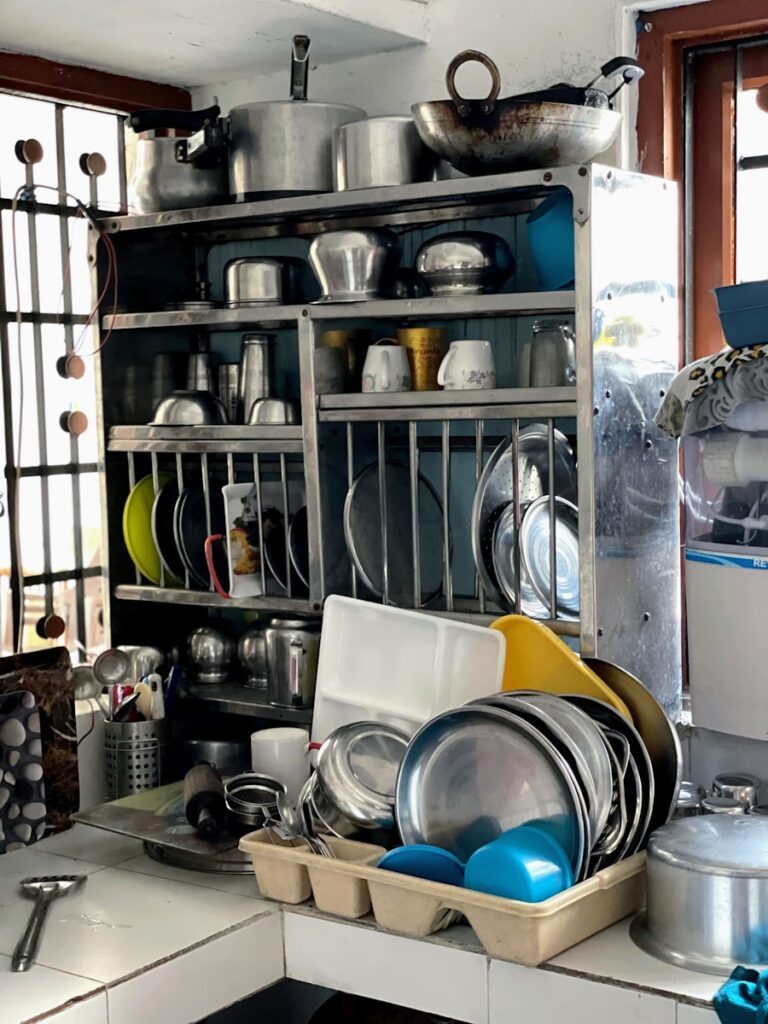
Protection Against Corrosion
- Regular Cleaning: Clean stainless steel surfaces regularly with mild soap and water to remove contaminants. Avoid using abrasive cleaners that can scratch the surface.
- Use of Protective Coatings: Applying a protective coating can help shield stainless steel from corrosive elements, especially in harsh environments.
- Proper Selection of Grade: Use the appropriate grade of stainless steel for the intended environment. For instance, marine environments require grades like 316, which offer higher resistance to chlorides.
- Avoiding Contact with Dissimilar Metals: Where possible, avoid contact between stainless steel and other metals to prevent galvanic corrosion.
- Passivation: This process involves treating the stainless steel with an acid solution to remove contaminants and enhance the formation of the protective oxide layer.
Preventing Scratches
- Use of Non-Abrasive Tools: When cleaning or handling stainless steel, use non-abrasive tools such as soft cloths or plastic scrubbers.
- Protective Films: Apply protective films or wraps during transportation and installation to prevent surface damage.
- Proper Handling and Storage: Store stainless steel items properly to avoid contact with hard surfaces or other items that could cause scratches.
- Repairing Minor Scratches: Minor scratches can be polished out using stainless steel polishing compounds, restoring the material’s original finish.
Buying Quality Stainless Steel Online
For those looking to purchase stainless steel products, Stainless Europe offers a convenient and reliable online shop. This platform allows customers to browse and buy high-quality stainless steel products without the need to visit a physical store.
The online store provides a wide range of products, with detailed descriptions, and competitive pricing, making it easy to find the right product for any application.
Shopping online at Stainless Europe ensures access to top-tier stainless steel products from the comfort of your home or office.
Stainless Steel: An Environmentally Friendly Choice
Stainless steel is not only durable and versatile but also an environmentally conscious choice. It is 100% recyclable, and its longevity means that it often has a lower environmental impact over its lifecycle compared to other materials.
The production of stainless steel has become increasingly efficient, with many manufacturers using a significant amount of recycled content in their products. This reduces the need for raw material extraction and minimizes the carbon footprint associated with its production.
To summarize, while stainless steel can scratch, rust, or corrode under certain conditions, taking appropriate measures can significantly mitigate these risks.
Regular maintenance, proper selection of stainless steel grades, and careful handling are essential practices to ensure the longevity and aesthetic appeal of stainless steel products.
Also, buying stainless steel from reputable online stores like Stainless Europe guarantees quality and convenience. As an eco-friendly material, stainless steel is a smart and sustainable choice for a wide range of applications, reflecting a commitment to both performance and environmental responsibility.