
Key Takeaways:
- Urban homes have numerous opportunities to adopt green energy.
- Renewable energy solutions are becoming more accessible and affordable.
- Utilizing green energy can result in significant savings on utility bills.
- Innovations in technology provide creative solutions for eco-friendly living.
- Simple lifestyle changes can significantly reduce your carbon footprint.
Achieve eco-friendly urban living with green energy solutions. Solar panels offer sustainable electricity generation. LED lighting and smart systems optimize energy efficiency. Investing in energy-efficient appliances reduces consumption. These measures enable environmentally conscious living in modern urban settings, fostering sustainability and reducing carbon footprints.
The Rise of Renewable Energy in Urban Areas
As cities continue to expand, urban populations’ energy needs are proliferating. Consequently, the adoption of renewable energy solutions in urban settings has substantially increased. The move toward green energy is a trend and a necessary reaction to environmental concerns. Examples of this include rooftop solar panels and complete smart home energy systems. Various providers, such as a Dallas electricity company, offer renewable energy options that urban residents can utilize to reduce their carbon footprint while enjoying financial benefits.
Urban areas are uniquely positioned to benefit from renewable energy innovations due to the dense population and infrastructure. According to recent reports, the adoption of green energy solutions in urban areas is growing, with cities worldwide implementing policies to promote renewable sources. This movement towards greener energy addresses environmental challenges and provides economic opportunities through job creation and energy savings.
Solar Panels: Harnessing the Sun’s Power
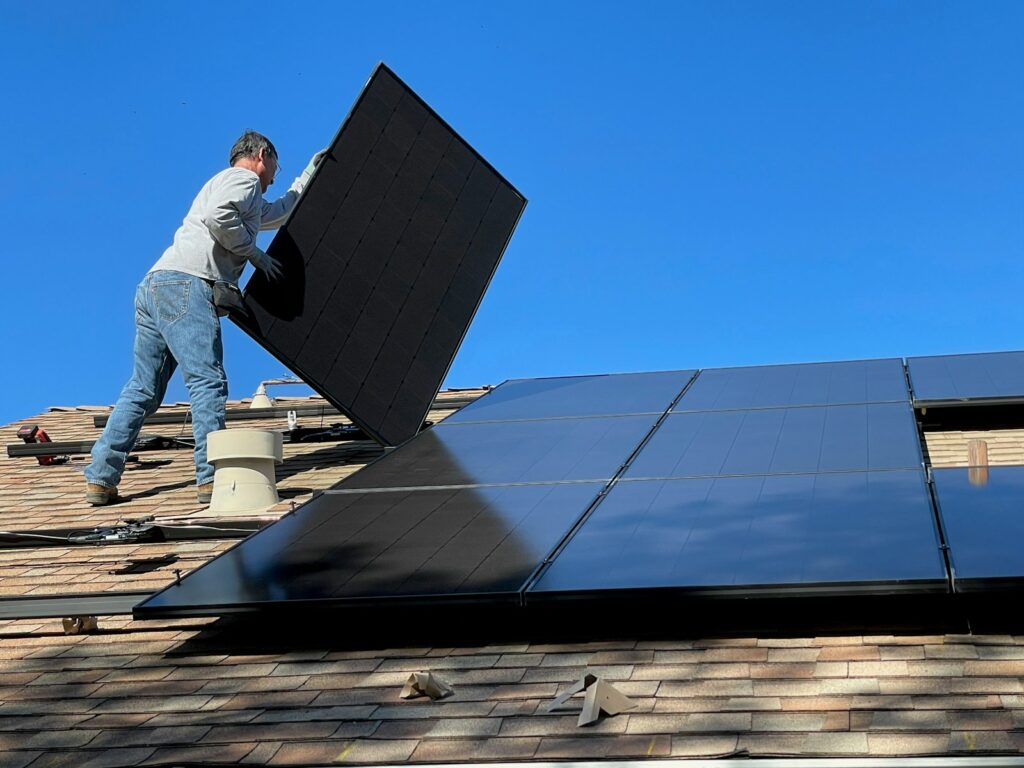
Urban homes can significantly benefit from solar panel installation, a potent green energy solution. Solar panels can create a sustainable power source by converting sunlight into electricity. Beyond environmental advantages, they substantially cut electricity bills and yield long-term returns on investment. Though initial costs may seem daunting, diverse financing options and incentives are accessible, including tax credits and rebates from governments and utility companies. Technological advancements enhance efficiency, making solar technology increasingly affordable and accessible to homeowners.
Wind Turbines: Bringing Wind Power to Your Backyard
Another renewable energy solution gaining popularity in urban settings is using wind turbines. Small-scale wind turbines are designed to generate electricity from wind energy, providing a renewable power source for residential use. These turbines can be especially beneficial in urban areas with favorable wind conditions. Although less common than solar panels, small-scale wind energy systems are becoming increasingly accessible and viable for urban homeowners.
Installing a wind turbine requires careful consideration of wind speed, zoning regulations, and space requirements. However, once installed, these turbines can significantly reduce reliance on grid electricity and substantially save costs. Real-life examples of urban dwellers successfully integrating wind energy into their homes demonstrate the potential of this technology to contribute to a more sustainable living environment.
Energy-Efficient Home Appliances
Investing in energy-efficient appliances offers a pragmatic and impactful approach to cutting home energy consumption. These appliances consume less electricity while maintaining performance and convenience. Often bearing the Energy Star label, they encompass various household necessities like refrigerators, washing machines, and dishwashers. Opting for high-energy-rated appliances yields significant cost savings and helps diminish overall energy demand. The Department of Energy furnishes comprehensive guidelines and resources for selecting such appliances, aiding homeowners in making informed choices aligned with sustainability objectives. Besides cost efficiency, energy-efficient appliances often boast advanced features enhancing convenience and performance, rendering them a valuable investment for any household.
Green Lighting Solutions
Lighting presents another avenue for substantial energy conservation. Traditional incandescent bulbs demand significant electricity and boast short lifespans. Conversely, LED (light-emitting diode) bulbs are remarkably energy-efficient, consuming less power and lasting significantly longer. Transitioning to LED lights is a straightforward yet efficient method of curtailing energy consumption and reducing electricity expenses.
Moreover, beyond LED bulbs, lighting technology advancements present further energy savings opportunities. Intelligent lighting systems can be programmed to deactivate when not in use, adjust brightness according to natural light levels, and be remotely managed via smartphone applications. Incorporating bright lighting into your home boosts energy efficiency and offers convenience. The Energy Star program provides valuable information for additional insights into eco-friendly lighting options.
Home Energy Storage Systems
Home energy storage systems are becoming an essential component of renewable energy solutions for urban homes. These devices, often residential batteries, store extra energy produced by wind turbines or solar panels for later use. Energy storage systems ensure a continuous and reliable electricity supply, even during low generation or power outages.
The role of home energy storage in green living cannot be overstated. By storing excess energy, homeowners can optimize the use of their renewable energy systems and reduce reliance on grid electricity. Several home battery systems are available, each offering different features and capacities. By comparing these options, homeowners can select a system that best meets their energy needs and enhances the efficiency of their renewable energy setup.
Simple Lifestyle Changes for Sustainable Living
In addition to technological solutions, simple lifestyle changes can significantly contribute to sustainable living. These changes may seem small but can considerably impact energy consumption and sustainability. For instance, they are turning off lights and unplugging devices when not in use can prevent unnecessary energy waste. Another effective strategy is using power strips to eliminate phantom energy loss, where devices continue to draw power even when turned off.
Setting your thermostat to optimal temperatures can also lead to energy savings. In the winter, lowering the thermostat by a few degrees can reduce heating costs, while raising the thermostat can decrease cooling expenses in the summer. HVAC systems require regular maintenance to operate effectively and help lower energy wastage. Implementing these simple yet impactful changes can significantly reduce your household’s energy consumption and support a more sustainable way of living.
The Future of Green Energy in Urban Homes
The future of green energy in urban homes is bright, with continuous technological advancements and increased support from policies and community initiatives. Innovations such as integrated smart home energy systems, improved battery storage solutions, and more efficient renewable energy technologies are expected to drive further adoption of green energy solutions. These advancements will enable homeowners to optimize their energy use and minimize environmental impact.
Supporting community-based green energy programs and promoting policies that incentivize the use of renewable energy can enhance the effectiveness of individual actions. As cities evolve and prioritize sustainability, the collective shift toward green energy will be crucial in building resilient and environmentally friendly urban environments. Embracing green energy solutions benefits individual households and contributes to broader environmental and economic goals, paving the way for a sustainable future.