
Visiting other countries, especially for the first time, is a truly amazing, and unforgettable experience. There are few things quite like getting off the plane and arriving in a foreign new country, ready to embrace the weather change, sights, and everything else this new country has to offer. But for now, let’s focus on the culture – in particular, the clothes. There are plenty of countries that still hold true to their traditions, some religious or political, and some based on fashion or on the climate surrounding that area. Visiting a new place and being given the opportunity to embrace another way of life is part of the amazing experience, so lets have a look at some of the most interesting places based on their traditional garments, and why you should absolutely try getting involved when you next visit one of these places, whether you’re travelling alone or with one other, or are planning a family fun adventure!
The Kimono
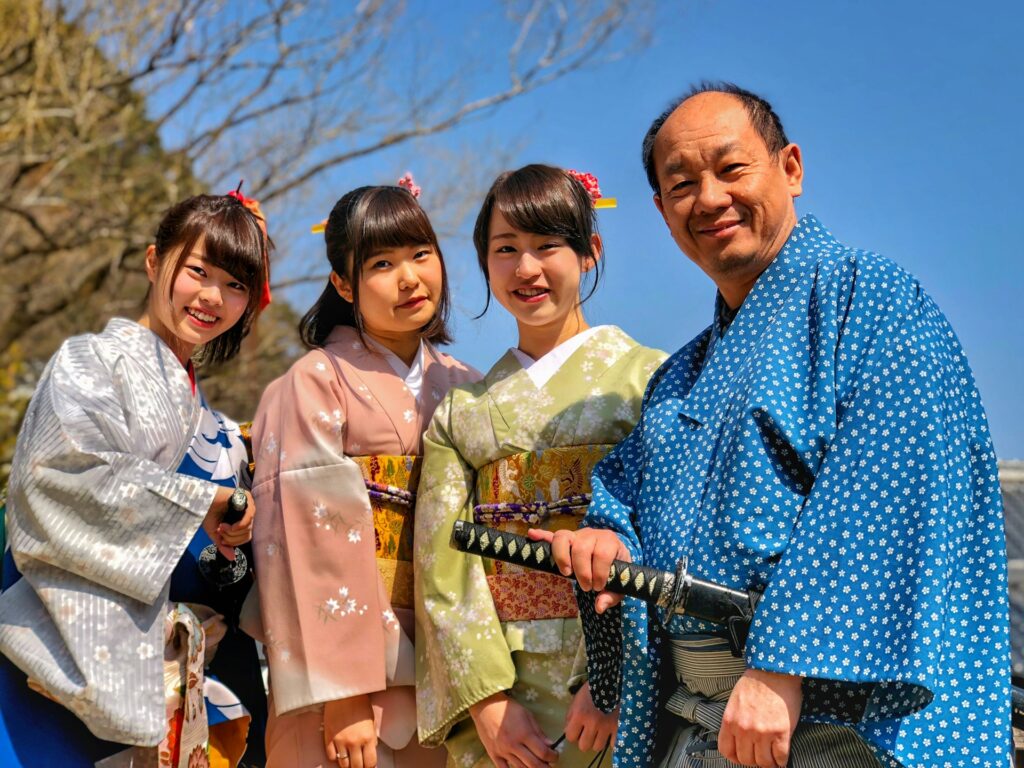
Widely known as the traditional garb in Japan, the Kimono (literally meaning ‘Thing to wear’) is still worn occasionally to this day, mostly for special events, and is the epitome of traditional Japanese culture. Simple, yet elegant, Kimonos can be as expressive or as plain as the wearer wishes – as the decoration can have much deeper meaning than what it appears – for example, did you know that the Crane symbol is often associated with long life and good fortune, making it a great item to wear to a wedding?
The Hanbok
Literally translated as ‘Korean Clothes’, Hanbok is traditional to the South Koreans, and consists of a top piece and bottom piece. Not unlike the Kimono, the Hanbok could be as expressive or as simple as required, and the design was often used as an indicator to ascertain social standing. The Hankbok slowly declined in the 19th century in favour of more westernised clothing, but has had a resurgence in the last few years, due the exposure provided by K Pop singers and other influencers, making it popular among people visiting Korea.
The Thobe
A Thobe, or Thawb, is the traditional clothing worn by Arabs, and is still worn almost exclusively, to this day, in the Arabian Peninsula. It is one piece, being a long sleeved, ankle length long robe, and is considered for both formal and informal purposes. The Thobe is probably one of the simpler traditional items. The most popular colour for these clothes are typically white hues or beige, and this is because it’s the coolest colour to wear in the sun, and the long sleeves robe-like bottom is to combat sunburn.
The Kilt
Typically one of the most well known traditional garments, especially in Europe, the Kilt is a Scottish garment that consists of a knee length wrap around skirt, typically in tartan patterns, worn by Scottish men. Though the kilt is seldom worn in day to day life, it’s often seen at events like weddings, funerals etc, but is also common to see at large scale events such as the highland games.