
Are you tired of battling pests in your home but worried about the impact of harsh chemicals on your family and the environment?
You’re not alone in this. Many families are looking for effective ways to control pests without compromising their health or biodiversity, and eco-friendly pest control is the best solution.
However, the question on everyone’s mind is, do they really work?
This article will discuss different green pest control methods, their effectiveness and benefits, and some general tips for controlling pests.
Benefits Of Eco-Friendly Pest Control Methods For Families
Below are the benefits of using eco-friendly methods for controlling pests.
1. Safe For Humans And Pets
Traditional pesticides contain hazardous chemicals. Inhaling these chemicals might trigger allergic reactions and cause respiratory problems.
Long-term exposure to these chemicals result in kidney and liver damage, blood and nerve disorders, and cancers.
Traditional pesticides also affect pets. Guinea pigs and rats are extremely sensitive to pesticides.
If cats and dogs in your home consume pesticides directly or eat the remains of rodents that consume pesticides, it might cause serious illnesses, vomiting, seizures, etc.
Biological pest control is free of harmful chemicals. Hence, it’s safe for humans.
2. Protects The Biodiversity
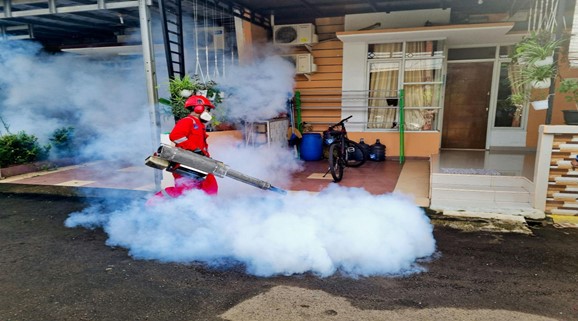
Traditional pest controllers can contaminate the water and ground, disturbing the ecosystem’s natural balance.
For example, some insecticides kill beneficial insects, such as pollinators. This harms the local plant life and may affect the food chain, which feeds local animals and birds.
Sustainable pest control uses natural and less toxic alternatives, and has less impact on biodiversity.
3. Preserves Fertility Of The Soil
Overuse of chemical pest controllers contaminates the soil and causes dead patches where plants can’t grow. Additionally, some chemicals cause certain plants and flowers to wilt, brown, and die.
The ingredients in biological pest control break down easily, so they don’t contaminate the ground and water in the long term. They are also not toxic to plants.
4. Has A Lower Carbon Footprint
Eco-friendly pesticides are derived from natural sources. Its extractions and formulation require less input than manufacturing chemical pest controllers.
Hence, sustainable pest control leaves a lower carbon footprint.
5. Cost Savings In The Long Run
Biological pest control methods focus on preventing the pest problem rather than reacting to it. This reduces the need for frequent, costly pest control applications.
Additionally, pest prevention and exclusion strategies avoid serious pest infestations that require expensive treatments like heat treatment or fumigation.
6. Reduced Resistant Development In Pests
When pests are exposed to the same chemical for several generations, they build up resistance over time, rendering the chemical ineffective.
However, biological pest controllers contain natural ingredients, and pests are already exposed to these. So, they are less likely to become resistant to biological pest control, which gives long-term results.
7. More Convenient And Humane
Traditional insecticides and rodenticides cause slow and agonising insect death. They break down insect bodies, cause internal haemorrhaging and death.
Biological pest control methods prevent pest problems before they start, so you don’t have to use inhumane methods to get rid of them.
Biological pest controls are easier to use than traditional rodenticides as they are non-toxic.
You may need to vacate the premises, cover the furniture, and remove any food before applying traditional pesticides, and you may need to do a thorough clean up afterward. These are not required if you are using biological pest control methods.
8. Causes Less Damage To Air Quality
Traditional rodenticides release volatile organic compounds into the air. These compounds can cause respiratory diseases, especially when there’s no proper ventilation in the area.
Biological pest control methods replace harmful compounds with less-toxic ingredients and prevent health issues.
What Is Eco-Friendly Pest Control?
Eco-friendly pest control is an eco-conscious method of controlling the pest population based on knowledge of pest life cycles and their environmental interaction.
It mainly involves preventing, monitoring, and controlling pests, and it uses less toxic chemicals derived from natural sources such as oils and soaps to control the pest problem.
Research shows that biological pest control is equally effective as traditional pest control but has less environmental impact.
Eco-Friendly Pest Control Methods
Below are some eco-friendly methods to get rid of pests in your home.
Microbial Insecticide
Microbial insecticides contain microorganisms that cause disease to certain pests.
These insecticides attack only the targeted pests, protecting beneficial insects and animals. Once infected with a microorganism, the pest will eventually die.
Botanical Insecticides
Pyrethrin is the most common botanical insecticide, and it’s derived from daisies.
Pyrethrin can kill many chewing and sucking insect species, as well as some other pests. Hence, you must use this carefully.
Diatomaceous Earth
Diatomaceous earth contains fossilised fuels of diatoms, which are sold as a powder.
When a pest comes in contact with this powder, the exoskeleton is scarred, and the pest releases vital fluids, eventually leading to dehydration.
Diatomaceous earth effectively controls bed bugs, ants, snails, and cockroaches.
Natural Repellents
Certain household items act as natural repellents due to their strong smell and taste. Below are some examples:
- Peppermint oil: This oil is effective in getting rid of ants and spiders. Dilute and spray the solution on your property.
- Neem oil: You can apply neem oil as a foliar spray or soil drench. It repels pests, and if a plant absorbs this oil, it becomes resistant to bugs.
- Essential oil: Essential oils such as tea tree, lavender, and eucalyptus repel mites, flies, and other bugs.
- Citrus peels: The smell of citrus peels repel spiders and ants. So you can place them in entryways.
Insecticidal Soap
Insecticidal soap contains fatty acids and salts. These ingredients penetrate the outer shell, damage exterior cells, and cause pests to dehydrate and starve.
Insecticidal soaps are mostly effective against garden pests such as aphids, earwigs, thrips, and whiteflies. You can spray them in your garden.
Biological Control
You can release parasites, pathogens, and predators into the environment to regulate pests.
Here are some examples:
- Releasing ladybugs into the garden to control aphids.
- Bacillus thuringiensis bacteria helps control mosquitoes, beetles, and caterpillars by targeting their larvae.
- Releasing bats for mosquito control.
- Applying nematodes to the ground controls termites and grubs.
Electronic Mouse Traps
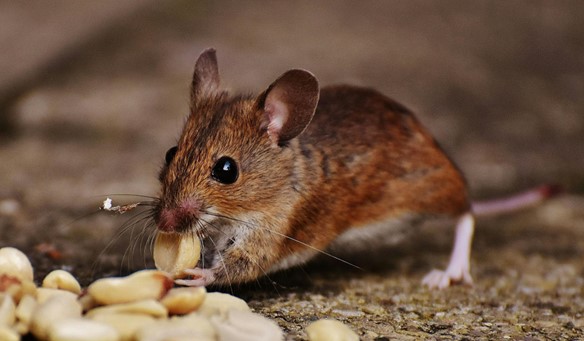
Electronic mouse traps are a modern, humane option for controlling rodent problems without the use of poisons or harmful chemicals. These traps deliver a quick, high-voltage shock that kills mice instantly, making them both effective and ethical. Many models are reusable and feature safety mechanisms to prevent accidental discharge, making them safe to use around children and pets. They’re ideal for families who want to deal with indoor rodent issues cleanly and efficiently while staying eco-conscious.
Insecticidal Oils
Petroleum-based insecticidal oils suffocate and kill pests such as spiders, mites, mealy bugs, etc.
Note: You can use commercial grazer formulas to protect plants from grazers such as rabbits, deer, slugs, and pheromones to trap some pests. Follow the manufacturer’s instructions when using pheromone traps on your property.
Integrated Pest Management (IPM) System
Integrated pest management is another eco-friendly way to remove pests. It involves the following steps:
- Identifying the pest issue by inspecting and monitoring.
- Taking preventive measures to avoid pests, such as sealing the entry points and removing pest food and water sources.
- Using targeted treatment to get rid of pests.
- Assessing the success of the treatment and making adjustments as required.
Why Chemicals In Pesticides Are A Problem
Chemicals in traditional pesticides cause a serious problem to the environment and living beings. Here are the reasons:
- They accumulate in the ground, leading to infertility and the death of trees.
- Some materials accumulate in the air, causing respiratory problems.
- Spread beyond the intended area and kill beneficial insects.
- Harm the biodiversity by killing butterflies, hummingbirds, and other small birds and insects.
Tips To Prevent Pest Infestations
Following are some tips to keep pest populations away from your home and garden:
- Examine and seal any cracks and openings in your doors, windows, vents, pipes, etc.
- Keep your home and yard clean. Read this article to learn “5 effective cleaning ways to avoid kitchen pests”.
- Clear out the garbage can regularly.
- Food sources attract pests. So, clean up after meals, remove food sources, and keep pantry goods in pest-proof containers.
- Get rid of any standing water in your yard.
- Follow proper preparation and cultural practices before planting anything in your garden.
When To Hire A Professional Eco-Friendly Pest Control Services
DIY treatment can be effective for pest control. However, you need professional services for dealing with pests in certain situations as below:
- Increased pest activity, including actual sightings of a large number of rodents, droppings, or visible damage to your property.
- Reappearance of pests.
- Complex infestations such as termites and bed bugs. Due to their elusive nature, these insects are difficult to eradicate without the help of expert services.
Depending on the pest and the location of the infestation, some companies provide specialised services such as Bristol rat control. If you’re facing a pest infestation, you must contact a professional service immediately.
In Summary
Eco-friendly pest control involves inspecting pest problems, monitoring them, and applying targeted treatment. This method is equally effective as traditional rodenticides but offers many benefits.
Some benefits include safety, biodiversity protection, long-term cost savings, lower carbon footprint, and more. Some ways to get rid of pests sustainably include using microbial and botanical insecticides, essential oils, plant-based repellents, and an Integrated Pest Management System.
You must take measures to prevent pest infestations in the future and call a professional service if necessary. Check out this article for the steps to take before and after exterminating your home.
FAQs
1. Is Natural Pest Control Effective?
Yes, natural pest control is equally effective as traditional pest control.
2. How Does Pest Control Affect Humans?
Traditional pest control causes short and long-term health effects. Short-term effects include irritation, allergies, rashes, etc, while blindness, kidney and liver damage, respiratory issues, and cancer are some long-term adverse effects. Biological pest controls are derived from natural sources; hence they are not harmful.
3. What Are Some Environmentally Friendly Ways To Control Pest Populations?
Some environmentally friendly ways to control pests include using physical barriers, traps, neem oil, household repellents, commercial pheromone solutions, and insecticidal soaps.