Foundations of Die-Casting Technology
Die-casting is a versatile process that produces strong, lightweight, and precise parts. Key elements include understanding die casting techniques and the materials used.
Introduction to Die Casting
Die casting is a method where molten metal is injected into a mold under high pressure. This technique results in parts with excellent surface finish and dimensional accuracy. It’s often used for manufacturing components that need detailed shapes and smooth surfaces. Die-casting is efficient and can create complex designs at a faster pace than other manufacturing processes. You’ll find it used in industries like automotive, aviation, and electronics, where precision and reliability are crucial.
Overview of Die Casting Materials and Alloys
Various materials and alloys are critical to die casting. Common choices include aluminum, zinc, and magnesium. Each has unique properties:
- Aluminum: Lightweight and corrosion-resistant, excellent for automobile parts.
- Zinc: Allows for thinner walls and is versatile for smaller components.
- Magnesium: Offers remarkable strength-to-weight ratio, perfect for aerospace and electronics applications.
It’s important to select materials based on specific product requirements like weight, strength, and corrosion resistance to ensure high performance.
The Die-Casting Manufacturing Process
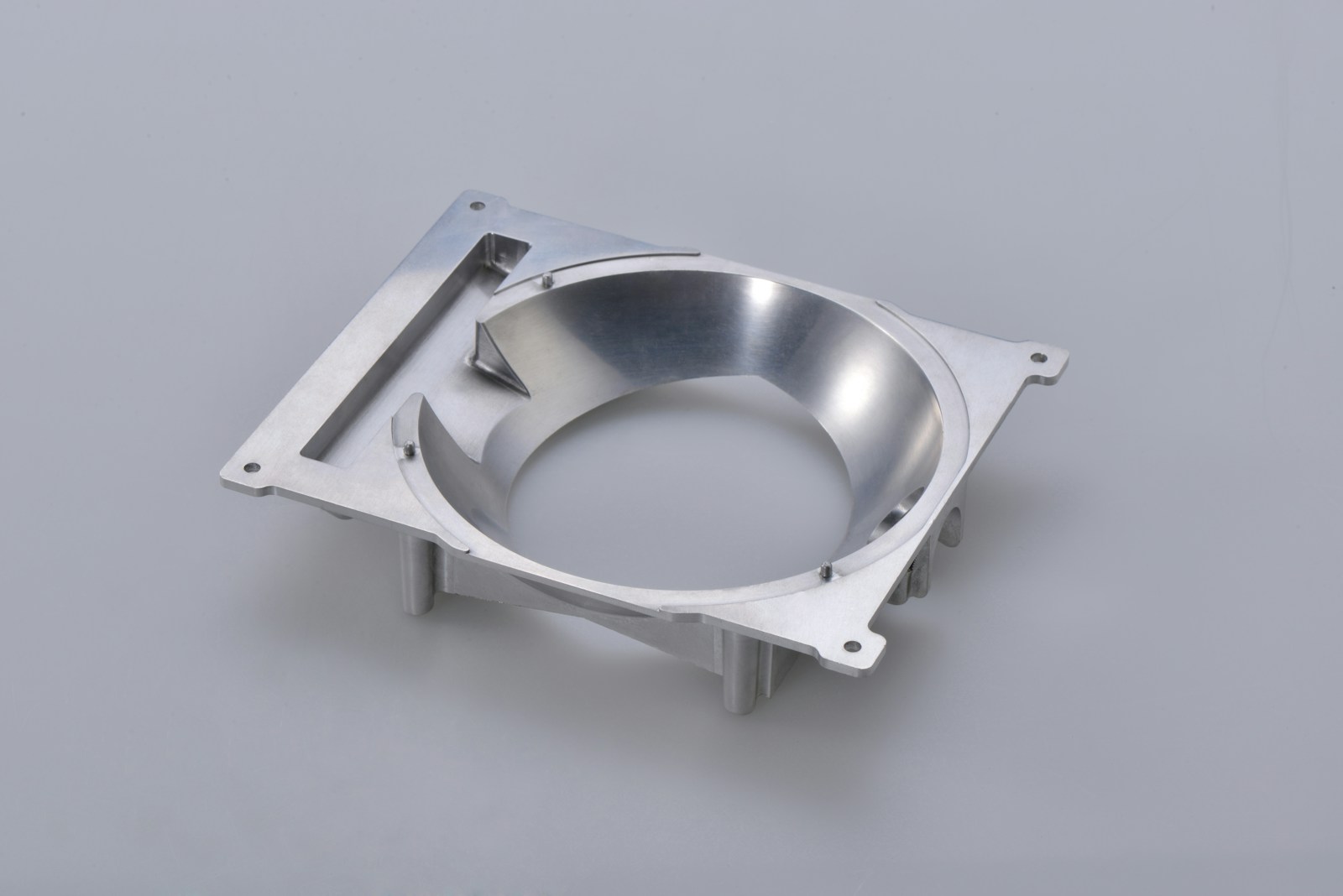
The die-casting manufacturing process involves several critical steps:
- Preparation: Mold creation with precise dimensions.
- Melting and Injection: Metal is melted and injected under pressure into the mold.
- Cooling and Ejection: Part is cooled, solidified, and ejected from the mold.
- Trimming and Finishing: Excess material is removed, ensuring a smooth finish.
This process allows production of intricate parts with tight tolerances. The automation involved boosts speed and consistency, making it ideal for large-scale manufacturing. Ensuring optimal pressure levels during injection is essential for maintaining consistency and quality of the final product.
Modern Advancements in Die-Casting
Die-casting technology has evolved with exciting innovations that address efficiency and precision. You’ll read about the blend of die-casting with 3D printing, smart data usage, and eco-friendly practices.
Combining Die Casting with Additive Manufacturing
In recent years, combining die casting with additive manufacturing (3D printing) has become a major advancement. This hybrid approach allows you to create complex shapes that were not possible before.
By using 3D printing to make molds or parts of molds, you can achieve detailed designs with reduced production time. This process is especially useful for creating detailed components found in anime mech models. Additive manufacturing also enables faster prototyping, helping you refine designs before full-scale production. This leads to less waste and lower costs while maintaining high-quality standards.
AI and Big Data in Die Casting
Artificial Intelligence (AI) and Big Data are transforming die casting by providing insights for better decision-making. AI can analyze large amounts of production data to spot patterns and suggest process improvements.
With Big Data, you can monitor and optimize the entire manufacturing process in real time. This means detecting defects early, reducing downtime, and improving the overall quality of the casts. AI-driven tools also allow for predictive maintenance, meaning you can fix machines before they break down, avoiding unexpected halts. By using these technologies, you not only enhance productivity but also ensure the consistency needed for intricate models like those of anime mechs.
Energy Efficiency and Sustainability Practices
With increasing environmental concerns, energy efficiency and sustainability are at the forefront of modern die-casting practices. Many die-casting facilities now use energy-efficient machines and systems that reduce electricity and fuel consumption.
Recycling and reusing materials have become standard, cutting down on waste and conserving resources. Improved thermal management systems help retain heat, reducing energy demands. By adopting sustainable practices, you not only reduce your carbon footprint but also save on operational costs. These methods are crucial as companies strive to meet both environmental regulations and consumer expectations, ensuring that die-casting remains a viable and responsible choice for producing complex mechanical components.
Modeling and Simulation Techniques
In die-casting, modeling techniques are essential for creating intricate designs, such as those seen in anime mechs. These techniques are enhanced by 3D printing, real-time monitoring, and ensuring dimensional precision.
The Role of 3D Printing in Prototyping
3D printing is a game-changer for prototyping anime mechs. It allows you to quickly create physical models from digital designs. This helps in visualizing complex shapes and testing how parts fit together. By using 3D printing, you can experiment with different materials and designs without heavy investment.
Additionally, 3D printing minimizes waste. This is important when working with expensive materials needed for detailed mech components. The speed and flexibility of 3D printing pave the way for faster iterations, making design adjustments easier and quicker.
Real-Time Monitoring and Control
With real-time monitoring, you can keep an eye on every step of the die-casting process. Sensors and cameras provide immediate feedback, allowing adjustments on the fly. This ensures the process stays on track, reducing errors and improving quality.
Using real-time data, you can detect problems like temperature fluctuations or material inconsistencies. Quick corrections help prevent flaws that could compromise mech designs. This real-time control also aids in optimizing each casting step, leading to more efficient and consistent manufacturing.
Achieving Dimensional Precision Through Modeling
Dimensional precision is crucial for the assembly and performance of anime mechs. Accurate modeling techniques help achieve this precision by predicting how materials will behave under different conditions.
Software tools enable you to simulate forces and stresses, ensuring parts fit correctly. This reduces the need for manual adjustments later. By refining models before casting, you ensure components adhere to the strict dimensions required for functioning mechs.
These methods streamline the production of high-quality parts that meet exact specifications, enhancing the final product’s reliability and performance.

Automation and Robotics in Die Casting
Automation and robotics are transforming die casting by boosting productivity and efficiency. The integration of these technologies significantly reduces the need for manual labor, improving safety and performance in high pressure die casting operations.
Enhancing Productivity with Robotics
In die casting, robots handle repetitive tasks like loading and unloading materials. They can work continuously without breaks, which increases productivity. You might notice that using robots reduces errors in the casting process, improving the overall quality of the products.
Robots also help maintain a consistent workflow. By doing this, they ensure that each part is cast with precision and uniformity. This consistency is crucial for producing high-quality die-cast parts that meet industry standards.
Robotics can also improve safety. By taking on the most dangerous tasks, they minimize direct human contact with the high temperatures and emissions found in die casting environments. This not only protects workers but also can lead to fewer accidents on the production floor.
Integrating Automation for High Pressure Die Casting
Automation in high pressure die casting involves using machines to control different stages of the process. From material preparation to the final finishing touches, automation plays a key role.
With automation, you can achieve greater control over casting parameters. This precision helps in producing complex and precise parts. The use of sensors and data analytics allows for real-time monitoring, quickly identifying and correcting any issues.
Automated systems bring down production costs. They reduce waste by optimizing the use of raw materials, and energy-efficient machines lower utility bills. This makes automation not only a tool for improving performance but also a cost-effective solution for manufacturers.
Die-Casting in Anime Mech Production
Die-casting is an essential method used to create detailed and durable parts for anime mechs. It allows you to transform creative designs into tangible models with precision. Selecting the right materials and ensuring proper tooling are critical for producing these complex figures efficiently and with high quality.
From Concept to Reality: Mech Modeling
Creating anime mechs begins with design. Artists sketch and design 3D models that capture the mech’s personality and function. Once the design is finalized, the die-casting process comes into play. Die-casting uses high-pressure molds to make intricate parts with precision. This means the mech’s arms, legs, and other parts can be consistently replicated.
Using die-casting, the production speeds up. This method ensures that each part is identical, maintaining quality across large batches. Models come out with smooth finishes and sharp details, which are crucial for mechs. The use of molds also allows for flexibility in design tweaks without starting from scratch, making it both efficient and cost-effective.
Material Choices for Mechs
Selecting the right materials is crucial for making sturdy and realistic mech models. Die-casting typically involves materials like aluminum, zinc, and magnesium. Each has unique properties. Aluminum is lightweight and durable, making it ideal for larger parts. Zinc offers excellent detail and finish, beneficial for intricate areas on mechs.
Magnesium is another choice, known for its light weight and strength. The right material affects the mech’s look, feel, and strength. Final decisions depend on the mech’s size and the details required. Choosing wisely helps avoid production issues and ensures the final product meets expectations. It’s about balancing aesthetics with functionality in every mech.
The Importance of Tooling in Mech Production
Tooling is all about creating the molds and equipment necessary for die-casting. It’s crucial for mech production because it defines the final shape and detail of the mech model. Quality tooling results in precise and repeatable production, reducing errors and waste.
Investing in high-quality tooling ensures the longevity of the molds and accuracy of the parts. This is key when producing complex mech models, as it allows for intricate details to be captured perfectly. Good tooling also contributes to faster production cycles. This means you get more finished products in less time, keeping up with demand and ensuring consistent quality in every piece.