
Understanding Audio Equipment for Radio Enthusiasts
When getting into radio, picking the right audio gear is key to your experience. You need to know the types of equipment available and understand why frequency coverage matters in enhancing your listening and broadcasting.
Different Types of Audio Gear
Any radio enthusiast needs a variety of audio gear to optimize their setup. Transceivers, like those from Yaesu and Icom, are popular for connecting with other radio users. Handheld transceivers are portable and convenient for beginners.
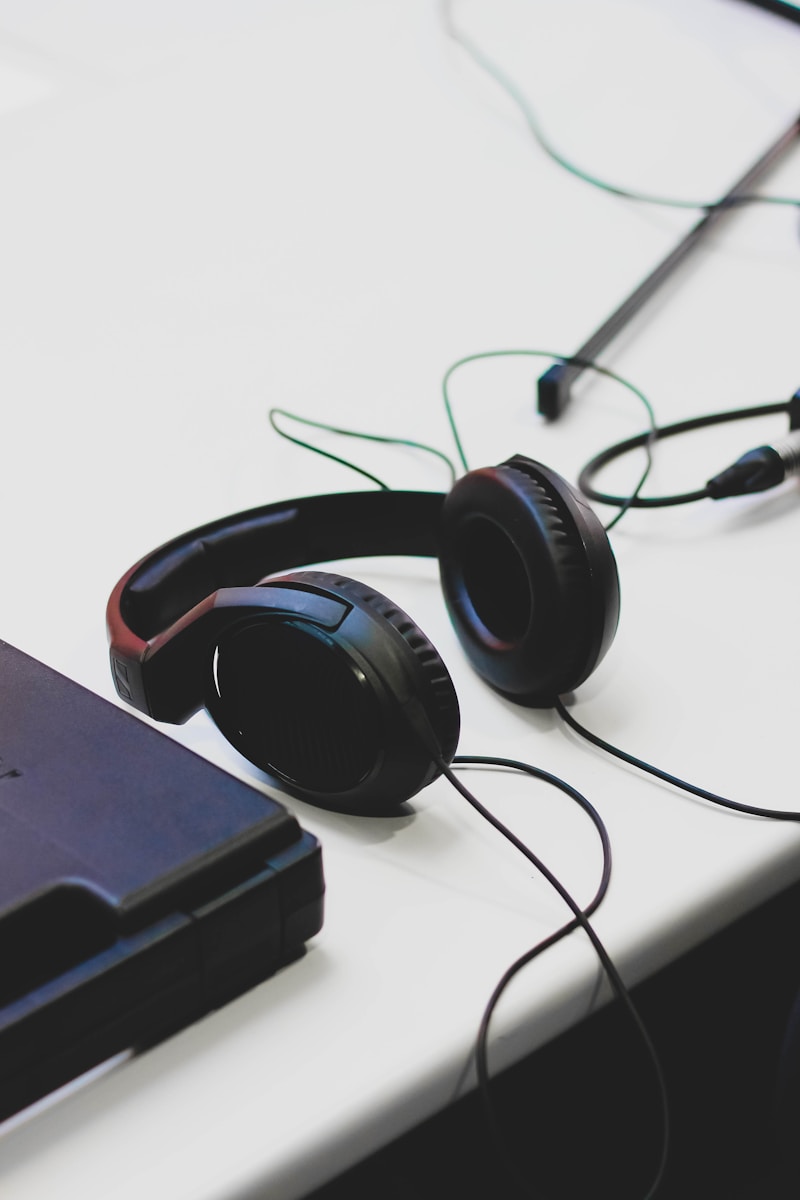
Headphones are crucial for clear listening and noise cancellation. High-quality microphones help improve transmission clarity and reduce background noise. Consider investing in a robust speaker system for enhanced sound quality at home.
Each piece contributes to a better overall experience in the radio world, bringing your broadcasts and receptions to life.
The Importance of Frequency Coverage
Frequency coverage determines what signals your radio equipment can access. Broad coverage, especially including AM, allows you to explore various bands and stations. This is particularly important for both casual listeners and serious hobbyists.
Some equipment offers dual or multi-band features, enabling access to multiple frequency ranges. This flexibility helps in experimenting with different signals and types of communication. Be sure your audio gear offers the frequency range you need for your interests.
Ensuring your setup has the right frequency coverage means you can better enjoy the diverse content radio has to offer and make the most of your radio hobby.
Amplifiers and Speakers
When building a radio setup, it’s crucial to choose the right amplifiers and speakers. Amplifiers boost sound quality, while speakers ensure you hear every detail clearly.
How Amplifiers Enhance Sound Quality
Amplifiers play a vital role in enhancing sound quality by increasing the power output, which makes your audio louder without distortion. This is especially important when listening to radio broadcasts where clarity is key. Modern amplifiers often use high-quality components to ensure low distortion and better sound reproduction. A good amplifier maintains sound fidelity, allowing you to enjoy crisp and detailed audio. Solid-state amplifiers are popular due to their reliability and clean sound, making them a good choice for both beginners and experienced enthusiasts.
Choosing the Right Speakers
Selecting the right speakers means understanding your listening environment and audio preferences. Speakers come in various sizes, from bookshelf models to larger floor-standing units. For radio enthusiasts, speakers with a balanced frequency response are ideal as they deliver both highs and lows effectively. It’s essential to consider the power handling capacity to match your amplifier’s output. This ensures the speakers can handle the power without damaging the components. Pay attention to the sensitivity rating, as higher sensitivity requires less power for high volume, making it a more efficient choice.
Amplifiers vs. Stereo Amplifier
Stereo amplifiers are essentially two-channel amplifiers used for listening to music, including radio programs. They often include built-in radio receivers, which simplify the setup by combining multiple functions. This can be convenient for those who want an all-in-one solution. However, a dedicated amplifier without the radio feature may offer more flexibility in choosing other components. When deciding, consider whether you value the simplicity of a stereo amplifier or the ability to customize your system with separate components. Both options have their merits, but your choice will ultimately depend on your specific audio needs and preferences.
The Role of Turntables and Streaming in Modern Radio
In the modern radio world, both turntables and streaming services have carved out significant roles. Turntables bring the charm of vinyl records, while streaming services like Tidal offer vast music libraries with high-quality sound.
Reviving Vinyl with Quality Turntables
Incorporating turntables into modern radio setups can greatly enhance listening experiences. Vinyl records offer a rich, authentic sound that many listeners love. A quality turntable can be the centerpiece of your radio setup, allowing you to play vinyl records with precision.
Many turntables come with built-in phono stages, making them easy to connect to various audio systems. Whether you prefer a belt-drive or direct-drive model, each has its own benefits. Direct-drive models are often favored for their consistent speed, essential for DJs and radio enthusiasts. Belt-drive turntables, however, are known for their smooth operation and reduced noise during playback.
Investing in a good turntable will enable you to enjoy the timeless beauty of vinyl. The tactile nature of handling records also adds a personal touch to your music experience, something that digital formats can’t offer.
Integrating Streaming Services Like Tidal
Streaming services have revolutionized access to music for radio enthusiasts. Tidal, known for its high-fidelity sound quality, serves as a fantastic resource for building extensive music libraries. With a wide array of genres and artists, you can explore new music and relive classics at the touch of a button.
Streaming is perfect if you want immediate access to an abundance of tracks without the need for physical media. It also means you can share playlists seamlessly, letting you easily broadcast a diverse range of music in your radio shows.
Many modern audio systems allow easy integration with streaming platforms, ensuring a smooth listening experience. Whether in your studio or living room, streaming offers flexibility and variety, making it a cornerstone of the modern radio landscape.
Headphones and In-Ear Monitors
When choosing audio equipment, understanding the differences between over-ear and in-ear headphones, wireless features, and active noise cancellation can guide you to the perfect fit. Each type offers unique benefits for radio enthusiasts seeking great sound and convenience.
Over-Ear vs. In-Ear Headphones
Over-ear headphones cover your ears completely, creating an immersive soundstage that’s often richer in bass and warmth. This can enhance your listening experience, making these headphones a favorite for many audiophiles. Models like the Meze Empyrean II are praised for their high-quality audio output and comfort over long periods.
In-ear monitors (IEMs) fit snugly inside the ear canal. They are lightweight, portable, and ideal for on-the-go use. Their compact size and ability to block external noise make IEMs a practical choice for many radio enthusiasts who prefer a discreet setup.
Wireless Headphones and Features
Wireless headphones offer the freedom to listen without being tethered by cables. Bluetooth technology allows you to connect seamlessly to various devices, which is perfect if you are moving around frequently. Look for models that support fast pairing and long battery life to ensure uninterrupted listening sessions.
Some wireless headphones come with features like customizable sound profiles, touch controls, and integration with voice assistants. These features enhance the user experience by allowing you to tailor your settings to your liking, increasing both convenience and enjoyment.
Active Noise Cancellation for Audiophiles
Active noise cancellation (ANC) is a technology that uses microphones to pick up ambient sounds and then generate opposing sound waves to cancel them out. This creates a cocoon of silence, making it valuable for audiophiles who want an undisturbed listening environment.
Investing in headphones with quality ANC can transform your listening experience, especially in noisy environments. Many brands offer models that prioritize ANC, ensuring you hear only your music or radio content, with minimal outside interference.
Choosing the right headphones involves finding a balance between desired features and personal preferences, enhancing your audio enjoyment.
Wireless Speakers and Portability
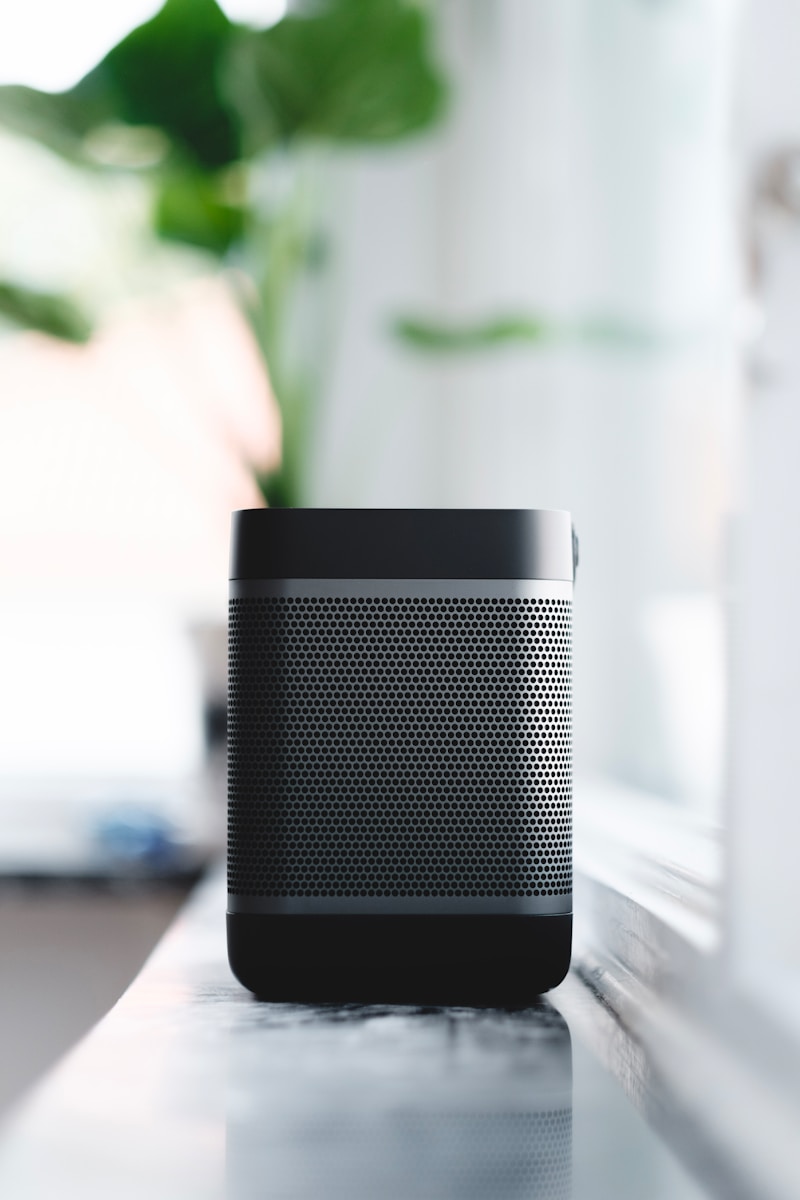
Wireless speakers provide amazing freedom for radio enthusiasts. You can enjoy audio on the go with Bluetooth and AirPlay technologies while selecting devices known for their portability and sturdy construction.
Benefits of Bluetooth and AirPlay Technologies
Bluetooth and AirPlay are popular wireless technologies that make listening to audio convenient and easy. Bluetooth lets you connect to a wide range of devices like your smartphone or tablet. This technology is known for its simple and reliable connection, making it perfect for use anywhere, whether indoors or outdoors. AirPlay is especially useful for those who enjoy using Apple devices. It allows streaming with just a tap, ensuring high-quality sound without complicated setup. The ability to control your audio from a distance adds flexibility, making these technologies appealing for both casual and dedicated users.
Selecting Portable Audio Solutions
When choosing portable audio solutions, you want something easy to carry yet durable. Look for wireless speakers with a robust build to withstand movement and various environments. Brands like Monitor Audio focus on durable designs while maintaining great sound quality. Consider speakers with resistance to dust and water, especially if you spend time outdoors. Portability also means looking at battery life; longer playtime means you can enjoy music or broadcasts without frequent charging. A compact size helps with easy transportation, letting you enjoy your audio wherever you go. Prioritizing these features ensures you have the best listening experience no matter where you are.
Usability and Connectivity
When setting up audio equipment for radio, it is important to have a user-friendly interface and reliable compatibility. Amateur radio operators and audiophiles alike look for devices that integrate seamlessly with their setups, allowing for an optimal listening experience.
Creating a User-Friendly Audio Setup
When choosing audio gear, it’s key to ensure devices have intuitive controls. Simple interfaces make adjusting settings easier and faster, especially when using complex modes like CW and SSB. For many, a built-in speaker can be a must-have feature for quick audio checks without needing extra gear.
Sound quality is vital, and your equipment should provide crisp and clear audio. Some high-end audio devices, like the Cambridge Audio Evo 150, offer 100 watts of power, ensuring powerful sound reproduction. This is beneficial whether you’re navigating menus or jumping into live radio activities.
The usability of a device can also be judged by how easily it integrates with your existing equipment. Prioritize devices that are known for their reliable performance.

Compatibility and Integration of Audio Devices
Compatibility is crucial in setting up a cohesive system. Audio gear should effectively communicate with your existing equipment, ensuring a smooth operation across the setup. This is particularly important for amateur radio operators who use various modes, including CW and SSB.
Look for devices that offer a variety of connection options, including Bluetooth, USB, and analog ports, which can enhance compatibility. This flexibility allows you to integrate other audio components, expanding the functionality of your system.
Make sure that the chosen equipment supports your preferred modes and frequencies. An equipment setup that offers broad integration capabilities provides more opportunities for expansion and customization, catering to both beginners and experienced audiophiles.