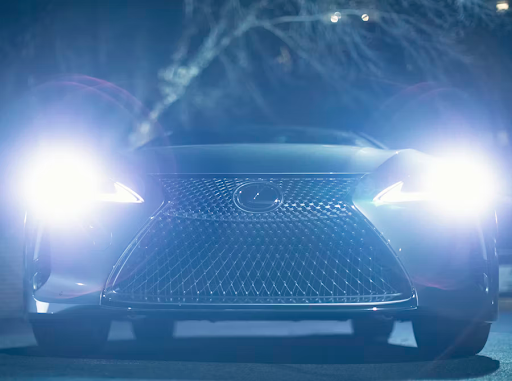
There is something oddly satisfying about a fresh set of headlights. Brighter beams, sharper styling, that subtle feeling of upgrading your car into something more personal. Aftermarket lighting is one of those changes that feels simple. A quick weekend project. A few wires, a couple of bulbs, done. But lighting is never just lighting.
It is electricity, heat, safety, and legality all braided together behind a plastic housing. And when people take the DIY route without understanding what is really happening under the hood, the risks tend to show up later.
More Power Than You Think
Most drivers assume a light is a light. Swap the old for the new, plug it in, move on. The problem is that modern vehicles are not built like that anymore. Lighting systems are tied into sensitive electronics, control modules, and wiring designed for very specific loads. Install a high-draw LED kit or HID conversion without proper resistors or relays, and you can create a strain the system was never meant to carry. It might work fine for a week. Then the flickering starts. Or the warning lights. Or the fuse that keeps blowing at the worst possible time.
The Heat Problem Nobody Mentions
Aftermarket lights are often marketed as cooler and more efficient, but the reality depends on the quality of the components and how they are installed.
Poorly seated bulbs can trap heat inside the housing. Cheap LED drivers can overheat. Wiring that is too thin can warm up slowly over time until it becomes brittle. The danger is not dramatic sparks. It is gradual damage. A melted connector does not announce itself. It just leaves you with a dead light one night on an unlit road.
Glare Is Not Just Annoying, It Is Dangerous
One of the most overlooked risks is beam alignment. People install brighter lights and assume that more light equals better visibility. Not always.
If the beam pattern is wrong or the housing is not designed for the bulb type, the light scatters. It blinds oncoming drivers. It creates harsh reflections in the rain. It reduces your own ability to see contrast. Brighter can become worse. Fast.
Wiring Mistakes That Become Bigger Problems
DIY lighting jobs often involve splicing wires, tapping into circuits, or using universal connectors. These shortcuts are where real electrical trouble begins.
A loose ground connection can cause intermittent failures that are maddening to trace. Incorrect polarity can damage modules. Water intrusion around poorly sealed grommets can creep into the loom. This is where calling an experienced auto electrician can save far more than it costs, because the fix is not just replacing a bulb. It is preventing a chain reaction through the vehicle’s electrical system.
Insurance and Road Legality
Many aftermarket kits are not road legal, even if they are widely sold online. Incorrect color temperatures, unapproved housings, or overly bright conversions can put you in a gray zone. If an accident happens and your lighting is found to be non-compliant, the questions get uncomfortable quickly.
A Small Upgrade With Big Consequences
Aftermarket lighting feels cosmetic, but it sits right at the intersection of safety and electronics. Done properly, it can improve visibility and style. Done carelessly, it becomes one of those modifications you regret in hindsight.
Sometimes the smartest upgrade is knowing when not to do it alone. Because the road is dark enough without adding hidden risks of your own.