
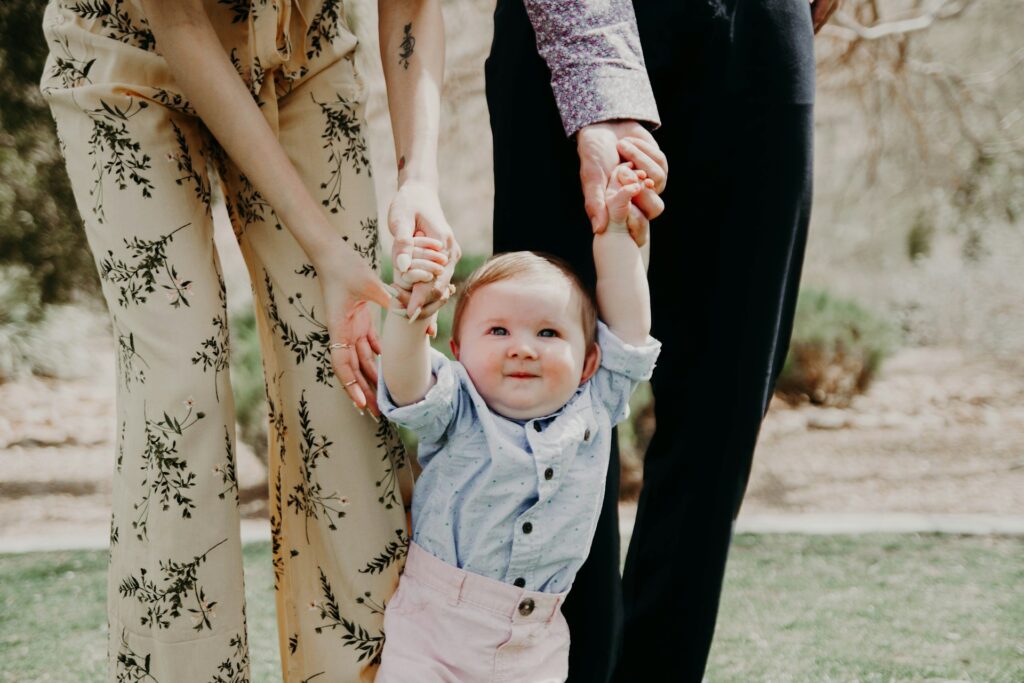
It’s an exciting time to be a parent, from the moment your little one enters the world to the first few steps they take on their own.
Creating a safe and stimulating environment for your baby to thrive in is important. However, it’s not something you’re going to perfect straight away. There are going to be dangers that you might not spot straight away, but it’s all about trying to be as vigilant as you can.
Here are several essential tips for creating a safe and stimulating environment for your baby.
1. Practice safe sleep habits
Safe sleep habits are a must when you have a little one who relies on you for pretty much everything in those early days. When they can’t crawl or roll over, safe sleep habits are crucial to practice.
When it comes to their own space, like a Moses basket or cot, you’ll want to ensure there’s no quilt or cover over the baby, and if there is, it’s below their waist and tucked in on each side so they can’t kick it off.
If you’re doing co-sleeping, you’ll want to follow safe sleep habits here, too. Making sure to only have one pillow and keeping your own duvet below your waist is also important when they’re sleeping in the middle of you. Make sure they’re not sleeping with you when you’re ill or intoxicated.
Don’t forget to prepare your little one safely for bed, too. From reading How Should A Diaper Fit: The Complete Guide For Parents by Mustela USA to get clued up on how to ensure the diaper is on properly and not causing any dangers, to making sure they wear the right sleep bag to bed.
2. Keep small objects out of reach
Small objects are choking hazards, and when the throat of a little one is only so big, the chances of them choking on something small are likely if it’s lying about.
Be mindful of what small objects you have in reach, and that includes toys that you buy for them. Ideally, you want to ensure that any toys they have are something they can use at the appropriate age. The age recommendations are there for a reason, so make sure to stick to them.
In order to keep small objects out of reach, be aware of your surroundings and do regular checks for anything that might need to be disposed of or moved to a higher height away from your little one’s reach.
3. Secure heavy furniture to the walls
Heavy furniture can be incredibly dangerous, which is why you want to be cautious when it comes to having it in your living spaces.
From wardrobes to televisions and everything in between, it’s a good idea to secure all of these heavy items to the wall where possible. Some might come with wall attachments, whereas others might require you to get your own attachments.
The peace of mind that it can give you is worthwhile, and it removes that panic that you have when you hear your little one tugging on a fridge door or a television on the TV stand.
Be mindful of what heavy items of furniture need attaching and consider securing them sooner rather than later.
4. Install safety gates
Safety gates are imperative when you have little ones, especially when they’ve started crawling, pulling themselves up on furniture, and walking.
These are all the signs that you’ll need to install safety gates in order to keep them away from the staircase. When you’re busy cleaning up, safety gates help prevent them from going walkabouts. It’s also helpful to keep them contained to a specific area when you need to take a delivery or start bathtime.
Safety gates are affordable and a good option to provide the safety and protection that your little ones may need from certain areas or rooms in the home.
5. Get down on all fours to babyproof sharp corners and edges
Babyproofing your home is no easy feat, especially when there’s so much in your home that you wouldn’t necessarily think of as causing a problem for a little one.
However, once you get down on all fours, you can quickly see where the dangers may lie for your little ones crawling or walking around.

Be attentive to every sharp corner or edge that you can see and cover these where possible. Look for any exposed cables or anything that your little one could put in their mouth or get caught around when it comes to their neck or other body parts.
6. Use car seats correctly
Car seats are vital when it comes to the safety of your children. When you’re able to venture outside of the house and enjoy your surroundings, it’s good practice to check that your car seats are in good working order.
You always want to be mindful of the straps, making sure they’re fitted correctly. Some car seats require certain safety checks and setups, so if you’re ever in doubt, it’s good to check the instruction manual.
Car seats should be used correctly; otherwise, they pose a risk to your little one. There are plenty of support groups you can find that will help when it comes to keeping your little ones safe while on the road. Having them secure in their car seat is going to help prevent any nasty injuries, should you be unfortunate enough to get into an accident of any kind.
7. Check temperatures
Checking temperatures is definitely something to be careful with when it comes to your baby, especially when they’re young. Be mindful of room the temperature they’re sleeping in is at and always check their temperature so that they’re dressed appropriately.
Think about the bath water they have or the temperature of their milk. All this is important to get right so that you’re keeping your little ones safe and not in harm’s way of hot water or temperatures that could be life-threatening.
Creating a safe and stimulating environment for your child is essential, so make sure you’re following these tips and implementing them into your and your baby’s lives. There’s a lot more you can do, too, so make sure to do your research to be fully prepared for every milestone.