Wait. What? The kids?
Yeah, you know. Those mini people who ask for snacks all day.
While many of us might question how sane our kids were to begin with, it’s fair to say that children have almost been overlooked in the glut of videos and posts about how to look after ourselves during a global pandemic.
As it’s currently Children’s Mental Health Week, it seems an opportune time to take a moment to consider the impact the pandemic has had on our little ones. Whilst children are undoubtedly resilient and often better at adapting than their adult counterparts, they can also grow frustrated much more quickly.
Some kids will find this period especially hard, but even if yours seems to be handling everything relatively fine, it’s certainly worth checking in on how they’re feeling now and again. Niggling doubts can turn into big worries without anybody to allay those fears, so make sure that you’re always on hand to answer any questions they may have.
All of the following suggestions are basic things that we all probably know already, but it’s easy to lose sight of our normal routines and schedules during a lockdown. Take a read through and ask yourself “have I actually done this recently?”, you may be surprised.
Remind Kids of How Life was Prior to the Outbreak
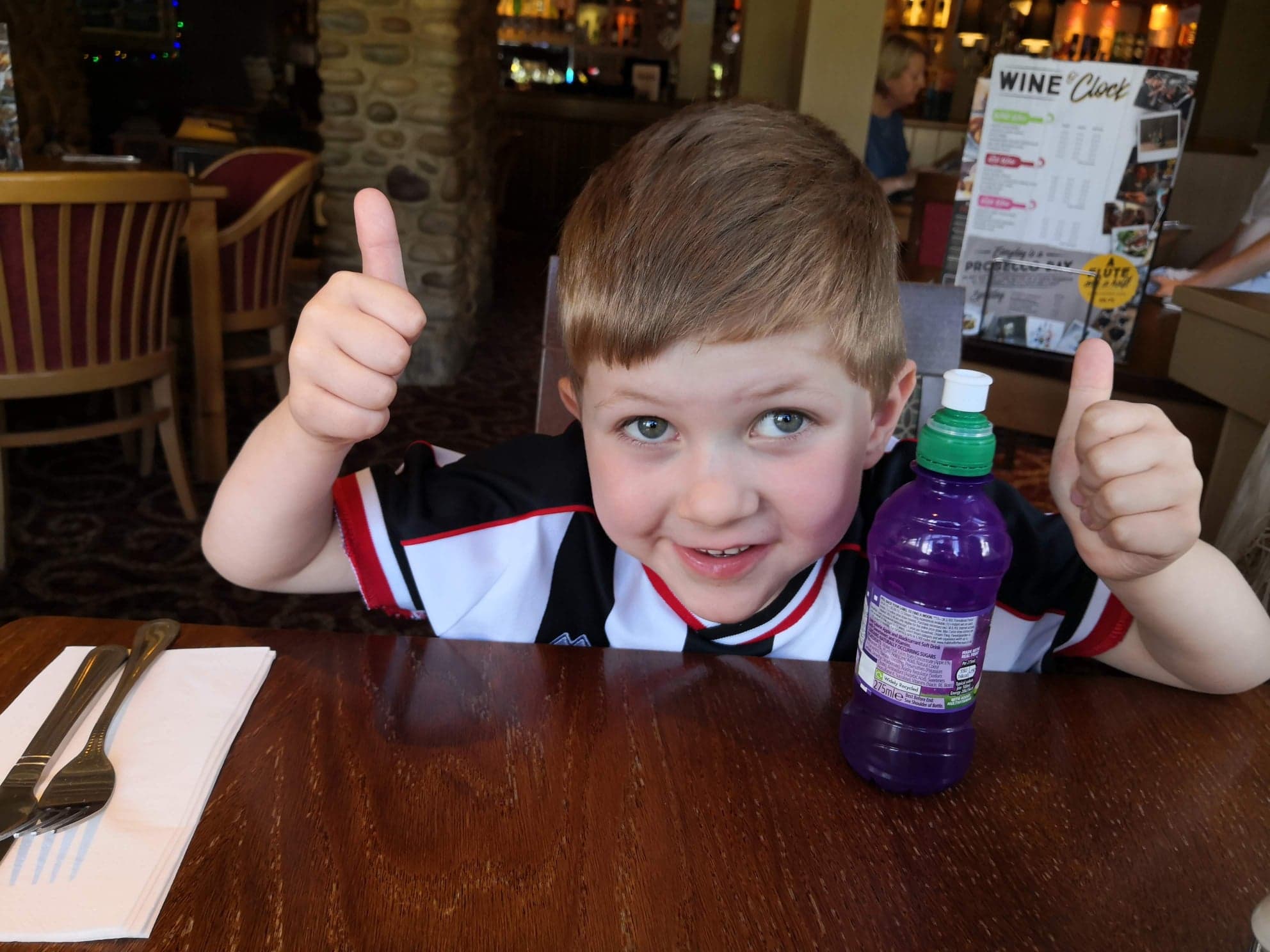
Sounds silly, but as they’re so young, this last year seems at least twice as long to them. I make sure to keep reminding my six-year-old of activities that we did before the pandemic struck. The old soul that he is, he’s desperate to go out for a pub lunch again, and visit family and friends.
He’s old enough to accept that he can’t do these things at the moment, but he needs to realise that staying at home so much isn’t normally the healthiest thing to do. It’s just a gentle reminder that we’re living this way because we have to, and not because Mum and Dad (whom kids learn most of their ‘normal’ behaviour from) have suddenly become lazy hermits.
Get Out of the House
The weather’s terrible and there’s no shops, play areas, restaurants, or tourist attractions open. Despite that, you still need to drag those kids out of the house occasionally.
Experts predict a surge in people reporting symptoms of agoraphobia and becoming too anxious to leave the house. Children aren’t immune from this either, so make sure that there’s enough reasons you can find to make them want to get out now and again.
My son loves getting out on his bike and playing football, but for parents of less active kids, they may find it a struggle to convince them to go out. Greg and I have just discovered geocaching, which is practically a nationwide treasure hunt. Perhaps something like that might coax your kid out.
Answer Their Questions
Kids ask a lot of questions.
I mean a LOT.
I spend most of my day answering questions such as “who would win in a fight between Optimus Prime and the Hulk?”, or “is our car faster than a cheetah?”, so it’s easy to let important questions slip through the net.
Children often seek assurance in the guise of questions when they’re a little spooked. They may have heard some scary-sounding stuff on the news, so make sure to talk through any fears they may have about the pandemic. It’s hard enough for us adults to keep track of what’s going on, so kids could easily become a little concerned about it all.
* Answers – Optimus Prime easily beats the Hulk, and no, I wouldn’t back my banger of a car to beat a three-legged dog, never mind a cheetah.
Related: How to Overcome Homeschooling Issues
Stay Sane Yourself
As I mentioned above, kids take their cues from their parents. If they see you getting overly scared or upset about the pandemic, they’ll worry too. When you don’t know too much about the wider world, you use the grown-ups as a barometer for whether things are fine or troubling.
That also goes the other way of course. Don’t go full conspiracy theorist and start licking pharmacy door handles and ranting maskless in the streets either. Kids need you to be the calm and sensible adult in their life. Behave like one.
Related: Easy Ways to Keep Kids Entertained
Pingback: 13 Things To Help Your Mental Health During The Isolation Period – Emma Reed