
Midlife has a habit of exposing the health checks and daily habits that were easy to postpone in your 20s and 30s. A demanding job, family responsibilities and a full calendar can still push personal health down the list, but the consequences of delay become more significant with age.
A midlife tune-up gives you a clear view of key risk factors before they cause noticeable problems. It also creates an opportunity to discuss physical changes, mental health and family medical history with a qualified professional. The process can be straightforward, especially when you know which milestones matter and how to prepare for them.

Milestones That Demand Better Attention
There’s no single birthday that transforms health overnight. However, the 40s and 50s are when blood pressure, cholesterol, blood sugar and body composition often start moving in an unfavorable direction. These changes may have no obvious symptoms, which is why routine checks matter.
Your personal timetable depends on age, family history, previous results and lifestyle. General midlife screening guidance commonly covers blood pressure, cholesterol, diabetes risk and several forms of age-appropriate cancer screening. A clinician may suggest earlier or more frequent testing if a close relative developed heart disease, diabetes or cancer at a relatively young age.
Life events deserve attention too. Persistent fatigue after a job change could come from stress, poor sleep or an underlying medical issue. Unexplained weight loss, a change in urinary habits, recurring pain or shortness of breath should prompt a timely appointment instead of waiting for the next annual physical.
Think in terms of a baseline. Record your blood pressure, resting heart rate, waist measurement and current medications. Ask for copies of test results and keep them somewhere accessible. Trends across several years often tell your doctor more than one isolated number.
Midlife also offers a useful window for prevention. The case for prioritizing midlife health rests on a simple point: identifying a rising risk early usually leaves more options for addressing it.
Breaking Down the Doctor Visit Barrier
Many people delay appointments because they’re busy, embarrassed or worried about what a test might find. Others have had rushed consultations and assume another visit won’t help. These concerns are understandable, but preparation can make the appointment more focused and productive.
Start with a short written list. Put the most concerning symptom or change first, then note when it began, how often it occurs and what seems to improve or worsen it. Bring an up-to-date medication list that includes nonprescription products and supplements. If you’ve measured your blood pressure at home, take several dated readings instead of relying on memory.
Be direct about sensitive symptoms. Doctors regularly discuss urinary changes, sexual function, mood, bowel habits and sleep. Clear details help them decide whether you need an examination, laboratory work or follow-up care. You can also ask what a recommended test measures, what its limitations are and what happens if the result falls outside the expected range.
For some men, private testing can provide a practical starting point before a clinical conversation. A men’s prostate health test uses a finger-prick blood sample to screen for an elevated prostate-specific antigen level at home. An elevated result doesn’t diagnose cancer, and a result within the expected range can’t rule out every prostate problem. Symptoms or concerning results still require professional medical advice.
Before leaving an appointment, confirm the next step. Ask when results should arrive, who will contact you and when another check is due. That small administrative detail prevents useful tests from becoming unfinished business.
Taking Control Through At-Home Diagnostics
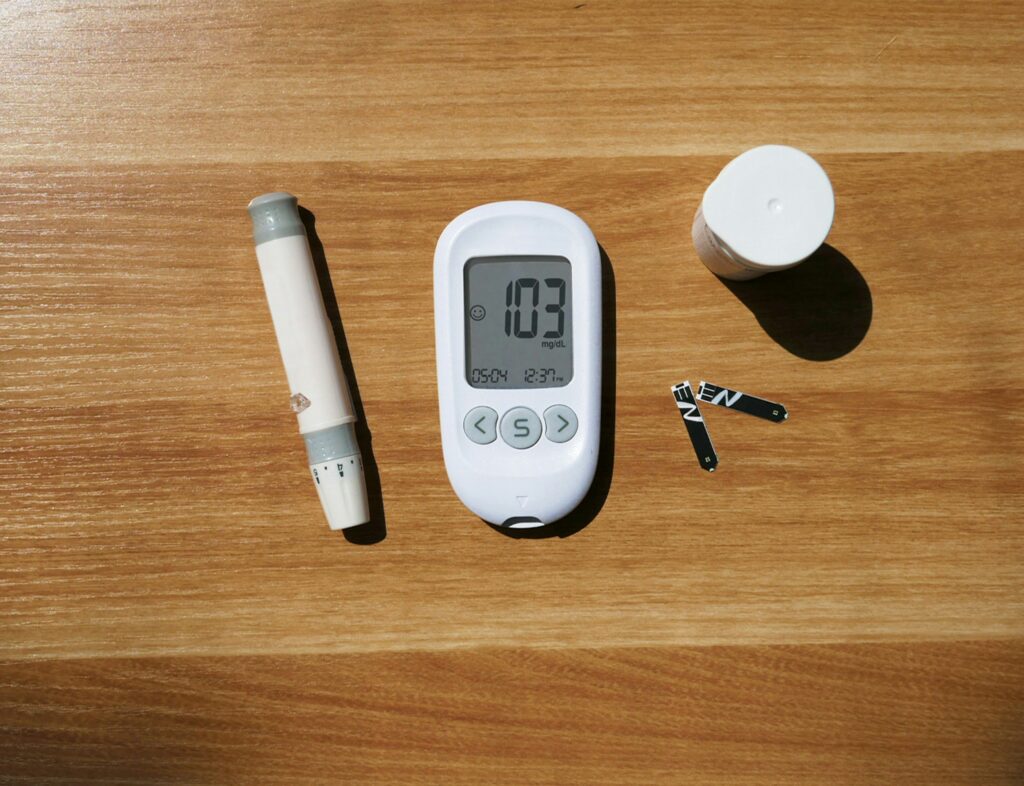
Home health tests have made certain checks easier to fit around work and family life. Depending on the test, you may collect a finger-prick blood sample, saliva sample or another specimen in private. Some products provide rapid results while others require samples to be sent to a laboratory.
Convenience doesn’t remove the need for careful selection. Read what the test measures, who it’s designed for and what factors may affect the result. Check the instructions before opening any sealed components because timing, storage and sample size can influence accuracy. You should also confirm whether the provider explains what to do after an abnormal or unclear result.
Treat home diagnostics as one piece of information. A screening result may indicate that further assessment is sensible, but diagnosis often requires a medical history, physical examination and additional testing. For example, prostate-specific antigen levels can rise for reasons other than cancer, including benign enlargement or inflammation. A clinician interprets the number alongside your age, symptoms and previous results.
Timing matters as well. Don’t use a routine home kit to assess severe pain, sudden weakness, difficulty breathing or another urgent change. Seek prompt medical care in those situations. Likewise, contact a professional if symptoms continue despite a reassuring home result.
Keep a dated record of every test and take a photo of the result if the format may fade. Include the product name and any relevant circumstances, such as illness or medication changes. That record gives your doctor useful context and reduces the chance of repeating a test unnecessarily.
Simple Habits That Pay Off Later
Screening works best alongside habits that improve the numbers being measured. You don’t need an extreme fitness plan or a restrictive menu. Consistency across ordinary weeks tends to produce more useful results.
Aim for regular movement that includes aerobic exercise and strength work. Brisk walking, cycling or swimming can support cardiovascular health, while resistance exercises help preserve muscle and bone strength. If you’ve been inactive or have a medical condition, ask a clinician how to increase activity safely. Even two short walks during the workday can interrupt long periods of sitting.
Food choices deserve similar attention. Build most meals around vegetables, fruit, whole grains and sources of protein, then watch portion sizes and heavily processed foods. Your annual numbers provide useful feedback. Rising blood sugar or cholesterol may signal that your current routine needs adjustment even if your weight hasn’t changed.
Sleep and stress belong in the same plan. Keep a stable wake time, reduce late-night screen use and discuss loud snoring or repeated daytime sleepiness with a professional. The publisher’s guide to better mental health practices also offers practical ways to support emotional well-being before stress starts affecting relationships, concentration and sleep.
A useful health guide for your 50s highlights several areas that deserve attention, but your own plan should stay manageable. Put recurring health checks on the calendar just as you would a work deadline. Store results in one place and review them before each appointment.
The most useful midlife tune-up ends with a date, not a vague intention. Book the overdue appointment, record a week of home blood pressure readings or confirm which screening is due next. That specific action turns concern into information your future self can use.