
Routine car servicing costs far less than dealing with a breakdown, towing fee and major repair all at once. Small issues often develop quietly, so a vehicle may feel normal even as fluids deteriorate or parts wear down. Following the manufacturer’s maintenance schedule gives you a practical timeline for inspections and replacements. It also helps your car run efficiently, retain its value and remain dependable when you need it for work, errands or family trips.
Small problems become expensive repairs
Many major repair bills begin with a minor fault that could have been found during routine servicing. A small coolant leak, for example, may only require a new hose or seal at first. Left unnoticed, it can lead to overheating and serious engine damage.
The same pattern applies to low fluid levels, worn belts and unusual vibrations. During a service, a technician can inspect these areas and explain which problems need immediate attention. That gives you time to budget for repairs and prevents one worn component from damaging several others. Early action also reduces the chance that your car will fail during a long drive or busy weekday.
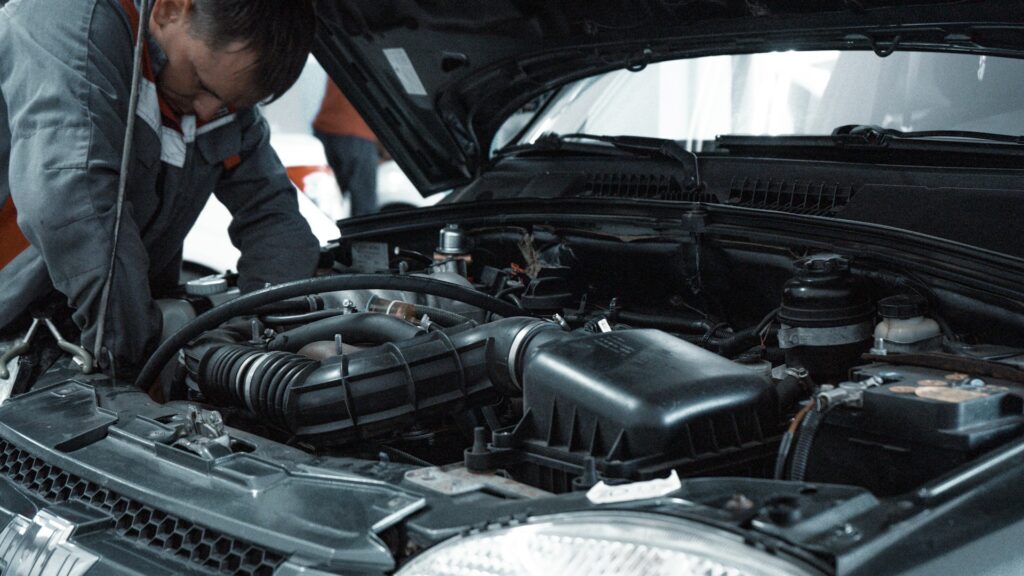
Book servicing before warning signs appear
Don’t wait for a dashboard light, a strange noise, or a loss of performance to arrange an inspection. Use the time or distance interval in your owner’s manual, whichever comes first. Cars used for frequent short trips, heavy loads or dusty roads may need attention sooner because those conditions place extra strain on fluids and moving parts.
If you live in Port Macquarie, a local mechanic can handle scheduled maintenance and check developing problems before they disrupt your plans. Record the date and odometer reading after every appointment, then set a phone reminder for the next interval. A simple reminder is easier to manage than an unexpected roadside failure.
Routine checks protect key components
A standard service usually covers engine oil, filters, fluid levels and other items specified for the vehicle’s age and mileage. Fresh oil helps control heat and friction inside the engine, while a clean air filter supports efficient combustion. Brake fluid, coolant and transmission fluid also lose effectiveness over time.
Between appointments, spend a few minutes checking for leaks beneath the car and changes in fluid levels. Pay attention to new smells, delayed starting and changes in steering or braking. For a broader maintenance routine, these three ways to help your car last longer provide useful habits that complement professional servicing.
Tires and brakes deserve regular attention
Tires and brakes directly affect how quickly you can stop and how well the car responds in poor conditions. Check tire pressure at least once a month and before a long trip. The correct figures usually appear on a label inside the driver’s door, not on the tire sidewall. Proper pressure also reduces uneven wear and unnecessary fuel use.
The National Highway Traffic Safety Administration’s tire maintenance guidance recommends regular checks of pressure, tread and damage. During servicing, ask for the brake pads, rotors, and fluid to be inspected as well. Squealing, grinding or a soft pedal calls for prompt professional attention.
A service history saves money later
Keep invoices, inspection reports and notes about every repair. A clear history helps a technician identify recurring faults and prevents parts from being replaced earlier than necessary. It can also support a higher resale price because prospective buyers can see that the vehicle has received regular maintenance.
Scheduled maintenance also makes running costs more predictable. Instead of facing a large emergency bill, you can plan for oil changes, filters and wear items throughout the year. Set aside a small amount each month for servicing and repairs, based on the car’s age and typical use. Older vehicles may need a larger buffer, especially once major service intervals approach.
Make reliability part of the weekly routine
Professional servicing works best when it’s supported by simple checks at home. Before a busy week or a long drive, check the tires, confirm that the exterior lights work, and fix any cracked windscreen before checking the ground for fresh leaks. Listen to the car during the first few minutes of driving, since unfamiliar sounds often appear when the engine is cold.
Keep the next service date somewhere visible and respond early when the car behaves differently. A ten-minute check and an appointment booked on schedule can prevent hours spent waiting beside the road, followed by a repair bill that could have been avoided.