
Did you know that workplace injuries and illnesses cause considerable physical and mental damage to employees? Employers from private industry reported that in 2022, there were 2.3 million injury cases, which is an increase of 4.5%, while illness cases increased by 26.1% to 460,700. The aftermath of injuries at work is a serious issue.
One common cause of workplace injuries is overexertion, which can lead to chronic back pain and other musculoskeletal disorders. But the question is, can you still get paid after being injured at work? This is a common worry among workers. Finding the answer can be complicated because it depends on many different things. Understanding your rights and the benefits available is important in such situations.
From workers’ compensation to paid leave options, there are avenues to explore to be fairly compensated during your recovery period. Knowing your options can greatly impact how you deal with this challenging time.

Workers’ Compensation Benefits
You may be eligible for workers’ compensation benefits if you get injured at work. These benefits are designed to provide you with financial assistance to cover medical expenses and lost wages resulting from a work-related injury. You must immediately report the injury to your employer to qualify for workers’ compensation. Once your claim is approved, you can receive benefits such as compensation for medical treatment, rehabilitation costs, and a portion of your lost wages.
Follow the proper procedures when applying for workers’ compensation benefits. Complete all the necessary forms accurately and provide any required documentation to support your claim. Keep detailed records of your medical treatments and expenses related to the injury. By complying with the requirements and deadlines set by your state’s workers’ compensation system, you can increase your chances of receiving the benefits you deserve.
Reporting the Injury to the Employer
After sustaining a work-related injury, inform your employer as soon as possible about the incident to initiate reporting the injury. Report the injury, ideally immediately or within the timeline specified by your company’s policies. By reporting the injury on time, you guarantee that you comply with any legal requirements and can access the benefits and support you’re entitled to.
When reporting the injury to your employer, provide clear and detailed information about how the injury occurred, the symptoms you’re experiencing, and any medical treatment you have received or plan to seek. Be honest and accurate in your account of the incident to help facilitate the claims process smoothly.
Keep a record of the injury report and any communication with your employer regarding the incident. This documentation can be valuable in case there are any disputes or complications that may arise later on. Reporting the injury immediately sets the groundwork for receiving the necessary support and benefits during recovery.
Understanding Paid Leave Options
Review your employee handbook or consult your human resources department to comprehend the available paid leave options. Understand these options to receive the necessary support during your recovery period. Paid leave options may include sick leave, vacation time, short-term disability benefits, or workers’ compensation.
Sick leave allows you to take paid time off for medical reasons, including work-related injuries. Vacation time can also be used if you need time off for injury recovery. Short-term disability benefits may be available if you’re unable to work due to your injury.
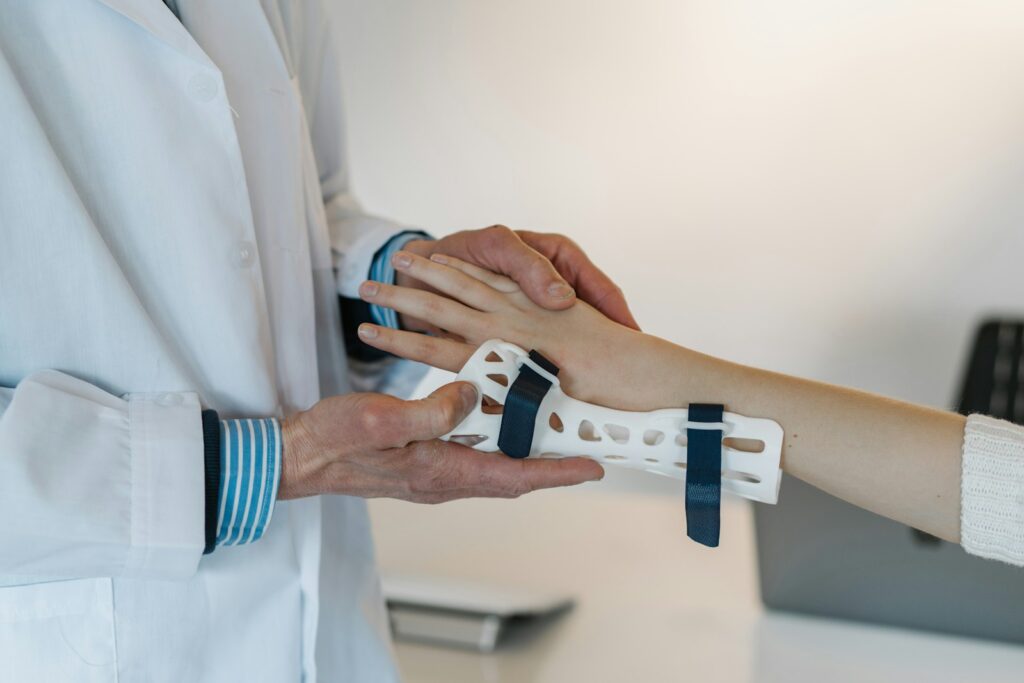
Return-to-Work Considerations
When considering your return to work after an injury, you must assess your physical capabilities and consult your healthcare provider. Your healthcare provider can provide valuable insight into what tasks you can safely perform and offer guidance on a gradual return to work plan. Follow their recommendations to prevent re-injury and guarantee a smooth transition back to work.
Communicate openly with your employer about any limitations or accommodations you may need upon your return. They can adjust to your work environment or provide alternative tasks to accommodate your recovery process. Being transparent about your needs can help create a supportive and safe work environment for your return.
Take it slow and do not push yourself too hard too soon. Your health should always come first, and it’s okay to take the time you need to fully recover before diving back into your usual workload. By prioritizing your well-being and following medical advice, you can make a successful return to work after an injury.
Seeking Legal Advice
When dealing with a workplace injury, consulting with a knowledgeable attorney can help you understand the legal options available. A legal professional can guide you through filing a workers’ compensation claim and advocate for you to receive the benefits you’re entitled to.
Legal advice can also be significant if your employer disputes your injury claim or you face retaliation for reporting the injury. An attorney can help you handle any disputes or challenges that may occur.
A lawyer can provide valuable insights into potential avenues for seeking additional compensation beyond workers’ compensation benefits, such as personal injury claims against third parties or claims for workplace safety violations. By seeking legal advice, you can protect yourself from potential injustices and work towards obtaining the compensation you deserve for your work-related injury.
Conclusion
So, if you get injured at work, you may still get paid through workers’ compensation benefits. Report the injury to your employer and explore your options for paid leave. Your health and well-being are top priorities, and you have the right to protect yourself in case of a work-related injury. Stay informed and advocate for yourself.