
When sunglasses come to mind, most people first think of style, looks, lenses and frames, and color combinations, and that is obviously all correct, but there is actually a more practical and beneficial side to these stylish shades as well. UV protection is the primary benefit of wearing them, among many others, and today we are going to go over some of the most important and interesting things you should know about sunglasses.
Protection from the Elements
Whether you are taking it easy on a tropical beach, skiing down a mountain at top speed, or biking along a dirt road, sunglasses can, and often do, make the difference between damaging your eyes and having an enjoyable adventure in the great outdoors. Wind, dust, and sand can all irritate your eyes or scratch the cornea, sometimes even causing permanent damage. While snow is less abrasive, it can instead reflect UV rays from the sun at your eyes, so if you are spending a lot of time in the snow without sunglasses, it can cause “snow blindness,” which is basically a temporary loss of vision due to overexposure to the UV rays that are reflected off ice and snow. Even better, you can find sunglasses lenses as replacements if your old ones are scratched or worn, or as an alternative to standard lenses while keeping your favorite glasses frame. To that end, consider the products available at Seek Optics to help you find the perfect lenses for your eyes. Wearing these suitable sunglasses will avert this snow blindness and keep you on the slopes longer.
Preventing Certain Eye Diseases
Prolonged exposure to the UV rays of the sun can lead to cataracts, macular degeneration, and pterygium. Cataracts involve a clouding of your eye’s lens that can blur your vision, while macular degeneration results from deterioration of the macula in your retina that destroys central vision, and pterygium involves tissue growth on your eyeball. So yes, this is all very unpleasant stuff, so remember to wear sunglasses with UV protection as they can help protect you against these conditions, keeping your eyes healthier for longer.
See More
In addition to protecting your health, wearing shades simply helps you see better in bright light, cutting down on glare and improving the colors and contrast of your view, so you can better soak in your outdoor surroundings or drive more safely, as many of us may remember our fathers doing when we were on a trip. Even on somewhat cloudy days, wearing shades can improve your general vision and reduce glare. Or maybe you are out fishing instead of driving. You will also be able to see past the surface of the water more easily without that bright, reflective glare you would have without sunglasses.
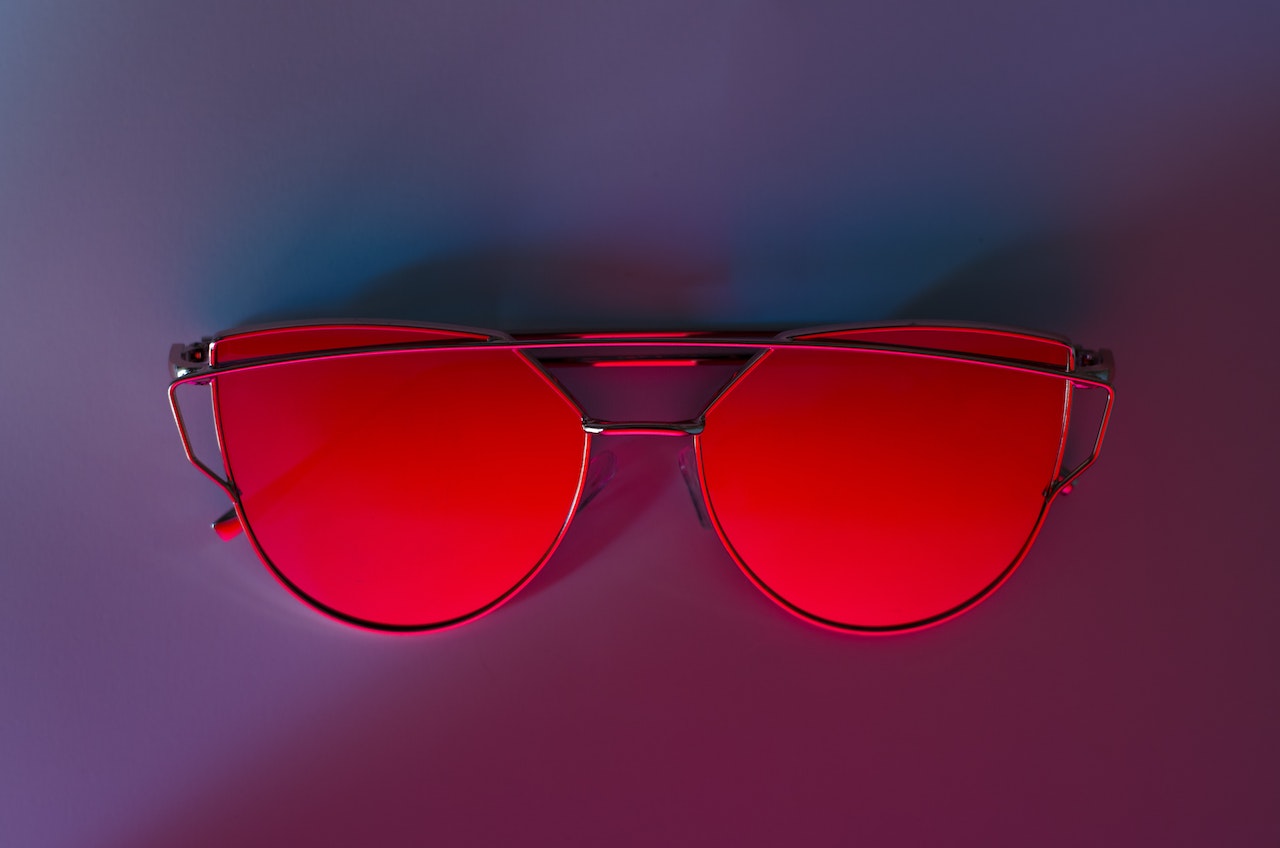
Protect Your Eyes While in Recovery
Corrective eye surgeries are common these days, including cataract surgery or LASIK, but it is important you continue to wear sunglasses after the procedure to help your eyes in their healing process. The shades will help protect your sensitive eyes from any potential damage and ensure your eyes heal smoothly and quickly. This is not, of course, mandatory, but merely a little tip, a small help that can prove quite beneficial in the long run.
Avoid Headaches and Migraines
Bright sunlight can be a major trigger for many people who suffer from regular migraines or bad headaches. Wearing sunglasses will allow you to soak up the sun without risking extreme pain and discomfort. Even if you do not regularly suffer from headaches, sunglasses can still help prevent them from happening, especially in hot climates.
Types of UV
There are three types of UV radiation that can damage your eyes, each with its own characteristics and potential effects. The first is UVC rays, which pack the highest amount of energy and present the biggest danger to your eyes, but luckily the earth’s ozone layer prevents the majority of UVC rays from reaching the surface. The second type is UVB rays, which are lower-energy and sometimes manage to get through the ozone layer. The final type is UVA rays, which contain the lowest amount of energy. They can, however, travel through your cornea to reach the lens and retina in your eye’s interior, and excesses can also cause cataracts, so you still want to be careful and wear suitable protection.
There are many reasons to wear sunglasses, and whichever one appeals to you most, the bottom line is that wearing sunglasses protects your eyes and keeps you comfortable in the outdoors, so make sure to get a pair of high-quality shades that block 100% of the aforementioned UVA and UVB rays and wear them regularly. This will surely change the way you see the world around you for the better.