
Have you ever noticed a change in your child’s thoughts and behaviour when they have not had enough sleep? Getting too little sleep is known to have a negative effect on an individual’s ability to concentrate well. However, the effects are known to be much worse for children. Due to the fact that children need a lot more sleep every night for development and growth, a lack of it can lead to lower academic achievements and cause difficulty with concentration in class. Below is some advice from this independent school in Surrey on how quality sleep impacts your child’s learning and development.
What is the effect of poor sleep?
Poor sleep is widely known for making day to day activities more difficult to complete. This is because lack of sleep and academic performance are connected through mental function. Children actually need up to 4 hours more of sleep than adults per night, to achieve an adequate level of concentration. Insufficient sleep is well known for leading to stunted growth, decreased attention, slowed processing and reduced creativity.
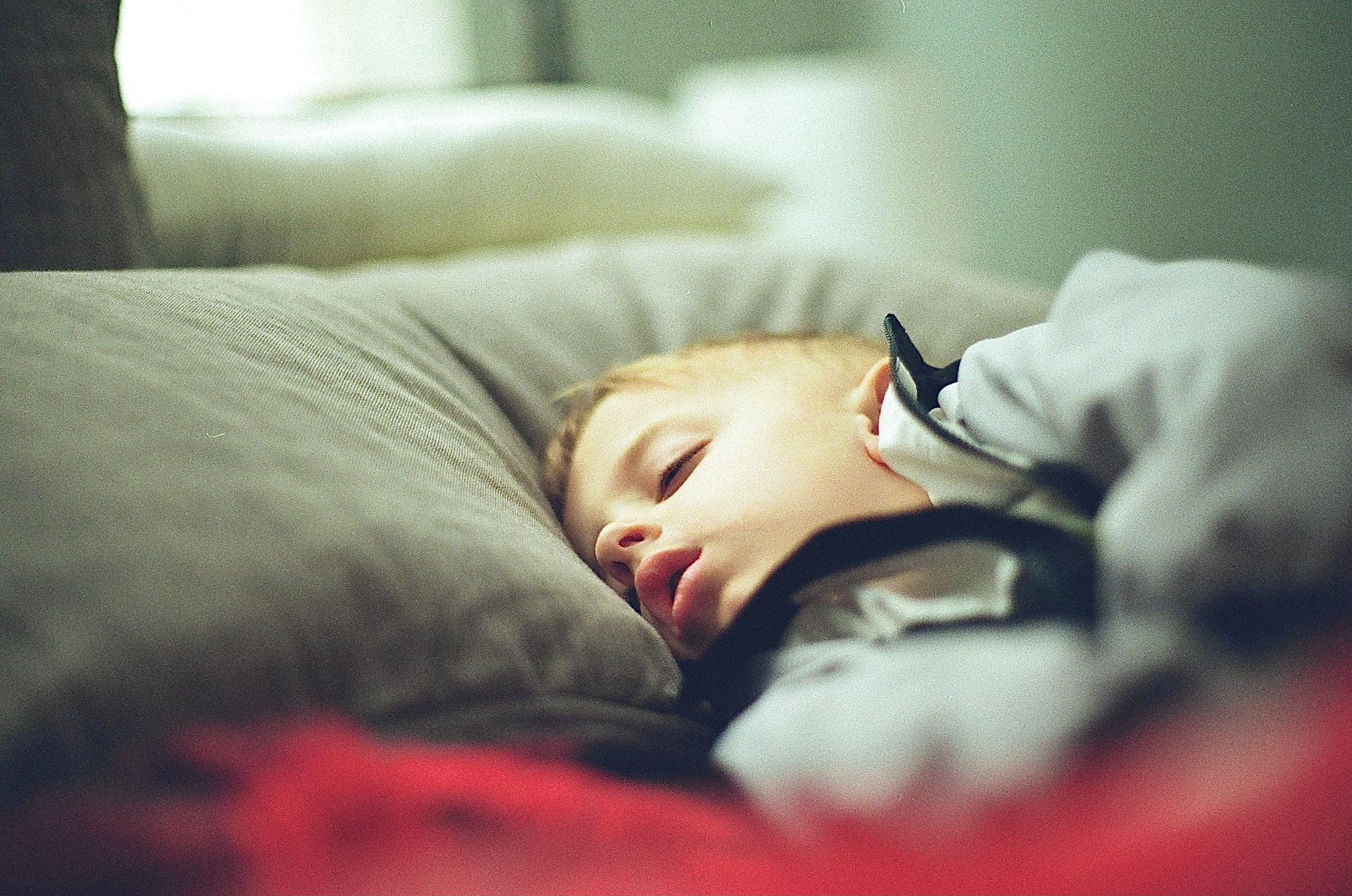
How does it affect learning?
Low school performance and lack of sleep are closely linked, which is why parents are advised to encourage their child to put away devices and distractions in the evening and get a good night’s sleep. Some of the symptoms that affect learning is drowsiness throughout the day, poor decision making, anxiety, aggression and irritability. Absences are also well known for dragging down academic achievement. A bad sleep schedule can lead to unwanted illnesses which encourages absences.
What can parents do to help?
Naturally, as a parent you will want to do everything you can to ensure your child is getting enough sleep per night so that they are able to function well in school. Set a bedtime and have schedules set in place to ensure your child has completed everything by a reasonable time each day. The issue with technology and devices will always crop up, so try and come to a compromise that benefits them in every way.