
In today’s fast-paced business world, efficiency and cost-effectiveness are paramount when it comes to managing commercial spaces. Among the essential aspects of building management, two crucial components stand out: air conditioning and emergency lighting. Integrating these systems not only enhances comfort and safety but also offers substantial benefits in terms of cost savings and streamlined operations. In this article, we will explore the advantages of integrated solutions for air conditioning and emergency lighting in commercial spaces, with a focus on using an air conditioning cost calculator and optimising emergency light installation.
Efficient Energy Management
Commercial spaces often require extensive energy consumption for both air conditioning and lighting. Integrated systems allow for better control and coordination between these two vital aspects of building management. By synchronising air conditioning and emergency lighting, businesses can maximise energy efficiency.
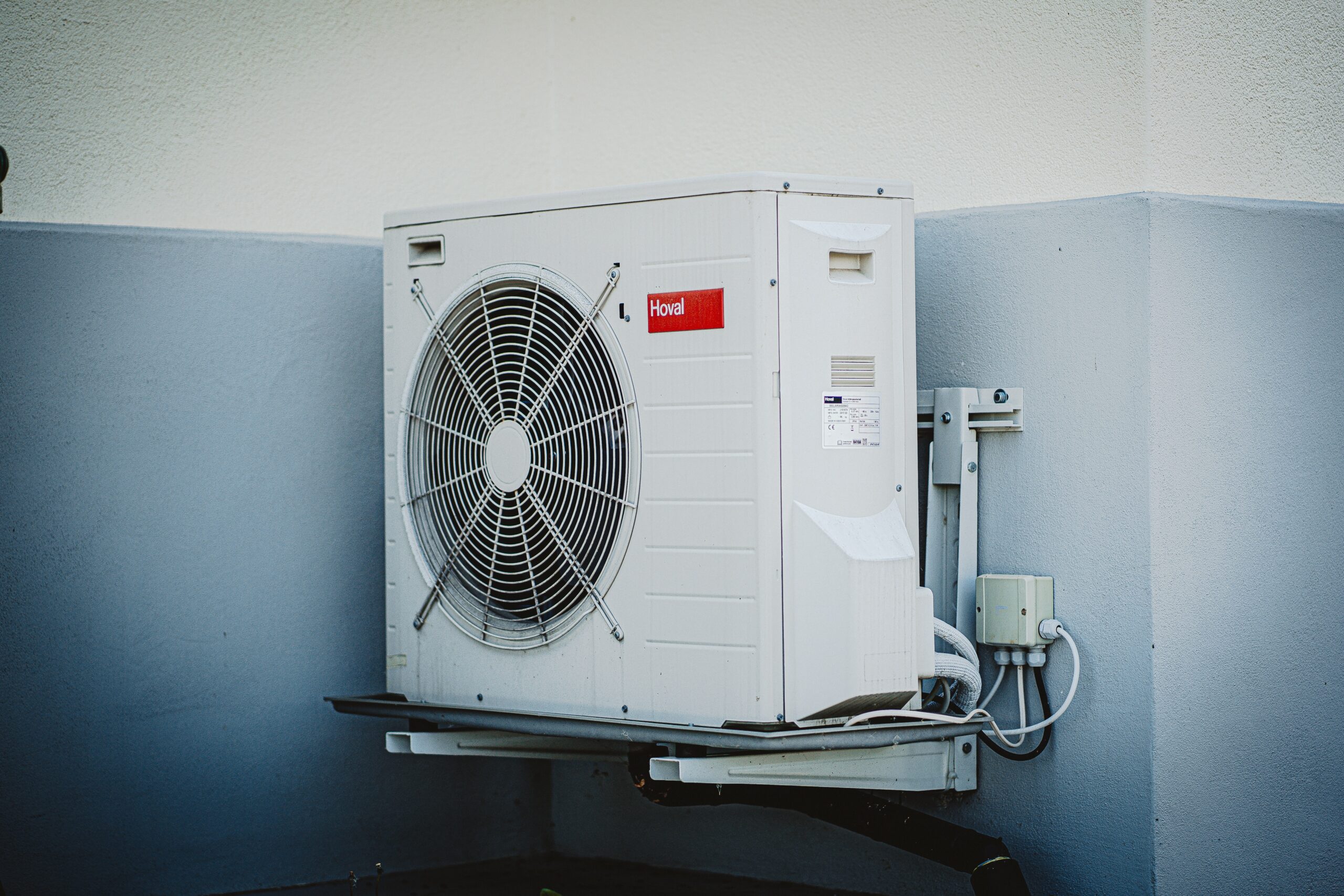
One tool that proves invaluable in this process is the air conditioning cost calculator. This tool helps businesses assess their energy usage and identify areas where they can reduce costs. By incorporating data from the calculator into the integration process, businesses can adjust air conditioning settings to align with emergency lighting needs during power outages or emergencies. This ensures that energy is used more effectively and minimises unnecessary expenses.
Enhanced Safety and Compliance
Emergency lighting is a crucial safety feature in commercial buildings, ensuring that occupants can safely exit in the event of a power outage or emergency. Proper emergency light installation is essential to meet safety codes and regulations. Integrating emergency lighting with the air conditioning system simplifies maintenance and monitoring, making it easier to ensure that all lights are functional and compliant.
Additionally, integrated systems can include automated testing and reporting features, significantly reducing the manual inspection burden. This automation ensures that emergency lights are always in working condition, guaranteeing the safety of occupants and compliance with local regulations.
Streamlined Maintenance
Managing separate air conditioning and emergency lighting systems can be cumbersome and costly. Integrating these systems streamlines maintenance efforts. Maintenance personnel can access both systems through a unified interface, allowing for more efficient diagnostics and troubleshooting.
Furthermore, integrated solutions often come with predictive maintenance features. These features use data analytics to predict when air conditioning or emergency lighting system components are likely to fail, enabling proactive maintenance. This approach minimises downtime and reduces repair costs, contributing to significant long-term savings.
Case Studies in Integration Success
Numerous commercial spaces have already realised the benefits of integrated solutions. Consider the example of a modern office building that seamlessly combines air conditioning and emergency lighting systems. By using an air conditioning cost calculator to optimise energy consumption, the building reduces its operational expenses by 20% annually. Moreover, the integration ensures that emergency lighting is always ready to function when needed, enhancing occupant safety and compliance with safety regulations.
In another case, a retail complex adopts an integrated system that simplifies maintenance and reduces downtime. Predictive maintenance alerts the facility management team to potential issues, allowing for timely repairs and minimising disruptions to business operations.
Conclusion
In the dynamic world of commercial real estate, integrating air conditioning and emergency lighting systems is a strategic move that enhances energy efficiency, safety, and cost savings. Businesses can achieve a harmonious synergy between these essential building components by utilising tools like the air conditioning cost calculator and optimising emergency light installation. As case studies have shown, the benefits of integration are not just theoretical but translate into tangible advantages that improve the bottom line while ensuring the well-being of occupants. When considering the future of commercial building management, integrated solutions are undeniably at the forefront.