
Key Takeaways:
- Participating in structured swim lessons can profoundly boost a child’s self-esteem and self-reliance.
- Swimming provides comprehensive developmental benefits that span physical, cognitive, and social growth.
- Enrolling children in swim schools imbues them with essential life skills, including water safety and teamwork.
Table of Contents
- Introduction
- The Role of Sports in Childhood Development
- Finding the Right Swim School for Your Child
- The Impact of Swimming on a Child’s Confidence
- Structured vs. Casual Swim Lessons
- Safety Skills and Risk Awareness
- Overcoming Fear of Water
- The Social Bonds Formed in Swim School
- Tips for Parents to Encourage Swimming
Introduction
Learning to swim can be pivotal in a child’s development, equipping them with a critical survival skill and fostering a deep-seated sense of self-assuredness. Engaging in swimming lessons brings many benefits beyond the basics of aquatic ability. It encompasses building character, instilling discipline, and facilitating the cultivation of valuable life skills transferable beyond the poolside. This enrichment journey shapes children into individuals who carry an unshakeable confidence through life’s waves.

The Role of Sports in Childhood Development
Sporting activities are universally acclaimed for their role in promoting a healthy lifestyle, but their value extends far into psychological and social well-being. The structure and regularity of sports like swimming are instrumental in establishing routines, fostering perseverance, and nurturing the growth of teamwork skills. Children who participate in sporting activities from a young age learn about fair play and sportsmanship, understand the importance of dedication, and experience the joy of success, thus developing a balanced perspective on competition and self-improvement.
Finding the Right Swim School for Your Child
Choosing the right swim school is a critical decision for any parent. Finding a facility that teaches swimming effectively and aligns with your child’s personality and learning style is essential. Suitable swimming lessons near me will have a warm, nurturing environment where encouragement is plentiful, and fears are respectfully addressed. Qualified and passionate instructors make all the difference, as they are trained to inspire and challenge students in a safe and supportive manner. Moreover, a swim school that values individual attention can cater to the unique needs of each child, ensuring that they are not just learning to swim but thriving in the water.
The Impact of Swimming on a Child’s Confidence
Swimming is an empowering activity that promotes a strong sense of personal achievement. As children learn to navigate the water, they experience incremental success that fosters self-confidence. Each new swim stroke mastered or each lap completed can become a source of pride and empowerment for a child. This sense of competence is particularly crucial for young minds, as it cultivates a positive self-image and can even spill over into academic and social settings.
Structured vs. Casual Swim Lessons
While unstructured play in the water is enjoyable and beneficial, structured swim lessons provide a scaffolded approach to learning that ensures systematic progress. These lessons, guided by professional instructors, are designed to build skills progressively, teaching children how to swim and improve their technique and endurance. The regular assessments and structured environments of formal swim lessons offer a supportive platform for children to challenge their limits, celebrate their progress, and understand the value of commitment and hard work.
Safety Skills and Risk Awareness
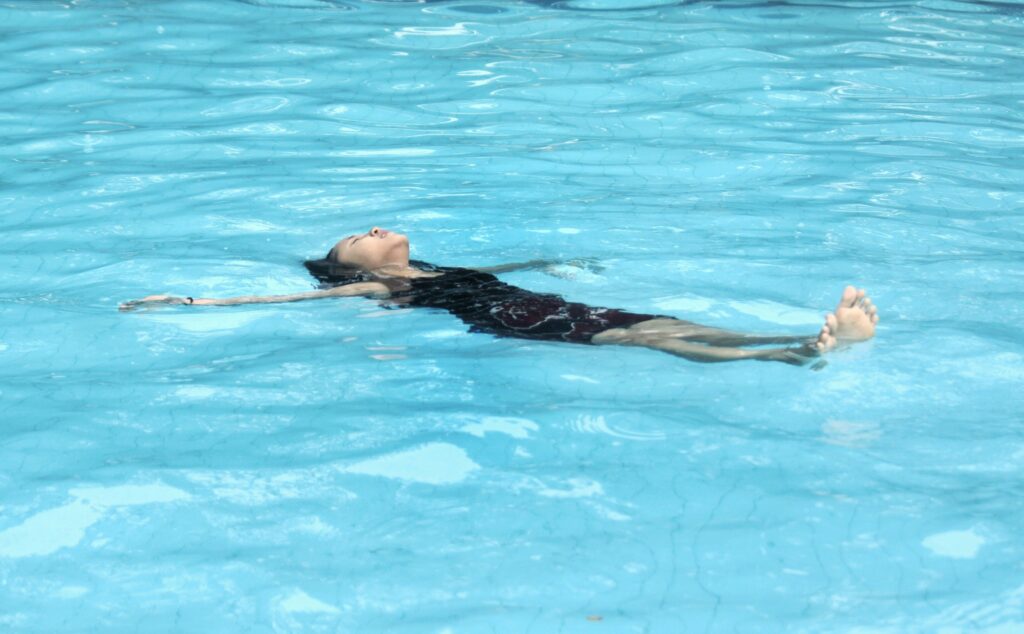
One of the most pragmatic aspects of swim lessons is the focus on water safety. Learning to swim fundamentally ensures children are safe in and around water. Crucial life-saving skills such as floating, treading water, and recognizing dangerous situations are emphasized. As children become more aware of the risks associated with water, they develop a healthy respect for aquatic environments. This knowledge deepens their ability to assess risks and respond appropriately in potentially hazardous situations. The significance of this training is highlighted by organizations like the World Health Organization, which notes the importance of swimming education in increasing water safety among children and preventing drowning incidents.
Overcoming Fear of Water
For many children, the water can be intimidating. Swim schools gently encourage children to face and conquer their fears. They build confidence by gradually introducing new challenges in a safe, controlled environment through a step-by-step approach. Instructors use positive reinforcements and celebrate every milestone, which helps to transform fear into a sense of competence and excitement about swimming. This transition benefits children in the pool and helps them learn the life skill of facing and overcoming fears in other aspects of their lives.
The Social Bonds Formed in Swim School
The social atmosphere of swim classes cannot be underestimated. Children attend regular lessons and interact with peers who share similar goals. This camaraderie fosters a sense of belonging and can lead to lasting friendships. In addition, the cooperative nature of group lessons teaches children critical social skills like communication, empathy, and teamwork. Sportsmanship is learned through collective successes and shared struggles, helping children to understand and appreciate the value of supporting one another.
Tips for Parents to Encourage Swimming
Active parental involvement is a cornerstone in nurturing a child’s swimming journey. Showing interest by attending swim meets, discussing progress, and celebrating achievements can immensely boost a child’s motivation. Encouraging practice outside of scheduled lessons, creating a positive dialogue around swimming, and being supportive through the hurdles can all ensure that the swimming lessons are an enjoyable, rewarding experience that the child looks forward to. Parents should be advocates for their children’s achievements, providing the necessary encouragement and support to help them succeed not only in the pool but also in life’s broader challenges.