
Children find it difficult to manage big emotions sometimes, mostly because they don’t have the skills to express those emotions or come up with solutions to cope with them. This is something that parents can help with, as discussed below by a private nursery in Southgate.
Talk About Emotions
Try and show your child that talking about their emotions isn’t something they should be afraid to do. Be a good role model and talk about your own emotions and how you dealt with them. For instance, you could say things like “I was feeling a bit stressed earlier after a tough day at work, but I feel much better after my relaxing bath”. If they can become more comfortable telling you and other people they trust how they feel, they will be less likely to react in a melodramatic way, such as a temper tantrum.
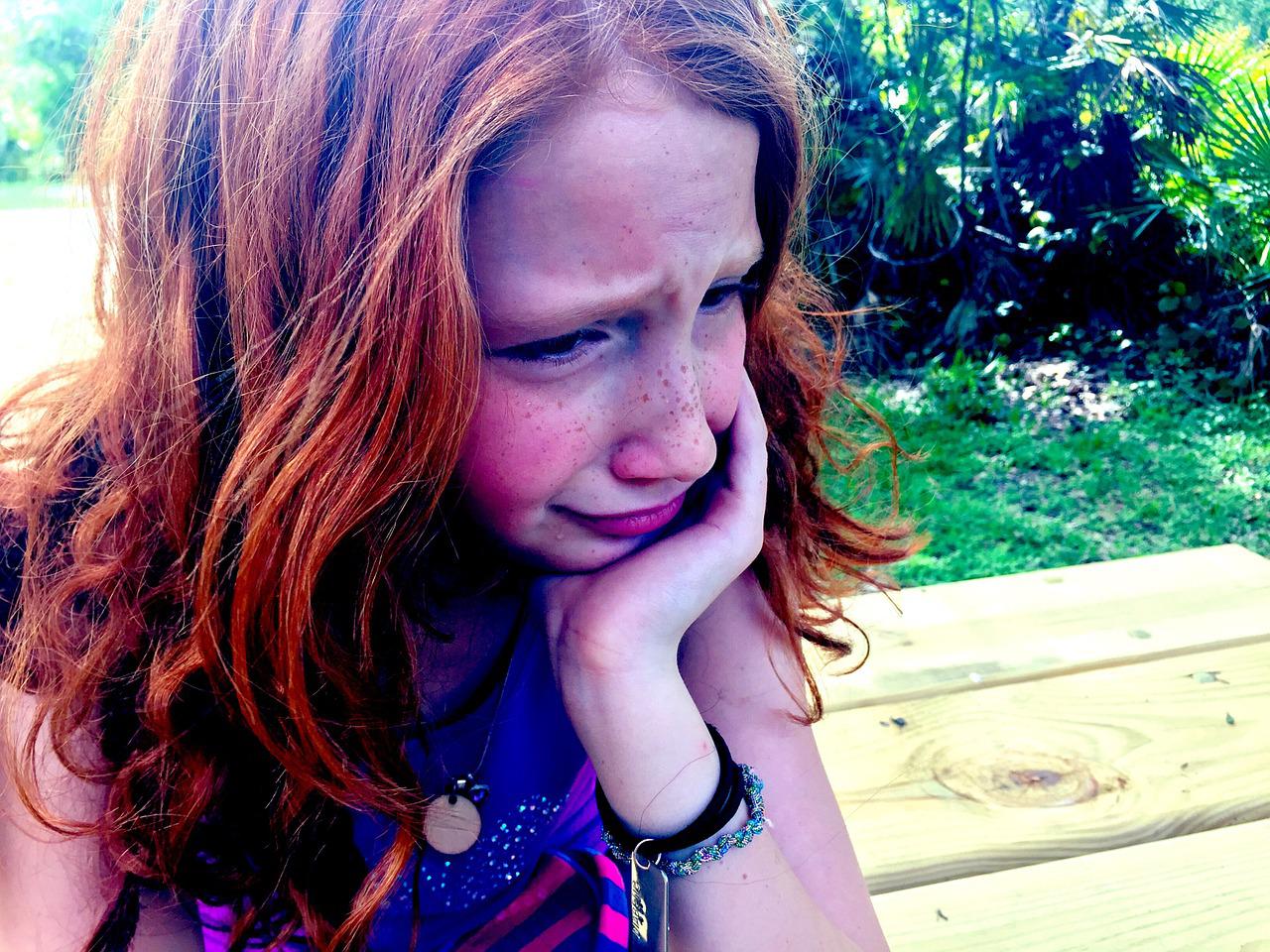
You should also help your child understand what their emotions actually are by pointing them out and labelling them. It will be super hard for them to explain how they’re feeling if they don’t have a name for it. So, say things like “I can see that you are getting frustrated with your homework, so why don’t you take a short break and come back to it in half an hour” or “It seems like you are feeling hurt by what your friend said, would you like to talk about it?”.
Practise Mindfulness
Mindfulness techniques are great for helping ground yourself to a present moment, rather than worrying about something that might happen or dwelling on the past. Practise mindfulness regularly with your child so that it becomes second nature to them, as this will help them deal with stress and anxiety.
Perhaps you could take a mindful walk, in which you ask your child to talk about what they can see, hear, smell, feel or even taste. By tuning into their senses, they will be able to fully focus on the present moment.