
Ad
We all know the importance of conserving energy in the home. Our collective actions could potentially make a huge difference to the environment and protect our world for future generations. As if that wasn’t enough, individually we can all make huge savings on our energy bills too if we make a few small tweaks here and there.
Don’t worry, there’s no need for the family to sit around a solitary candle in the dark for heat.There’s a multitude of different ways in which you can make big savings without affecting your lifestyle. Here’s just a handful of tips to help you to keep your money in your pocket and not your energy suppliers.
Insulate your loft
One of the first things we learn in our school science lessons is that heat rises. Why then, do so many of us allow all that heat that we’re paying for to drift out of our roofs and into the ether?
A properly insulated loft will mean that you won’t need your heating on for as long, or as high as you do now. Over the course of a year, you can expect to see this translating into significant savings on your heating bill.
Consider changing your boiler
If you’ve noticed that your heating bills keep rising beyond the amount you expect, then you may well need a new boiler. Older boilers can often suffer a drop in efficiency after a while, with problems such as taking longer to heat starting to arise. If ignored, an old boiler can end up costing you hundreds of pounds over the course of just a year or two.
When you consider how much this can cost you over an even longer period of time, the price of a new boiler installation suddenly becomes quite economic. Even the budget models of today can often trounce older premium models in the energy efficiency stakes. Even after years of use, most modern boilers claim a minimum of 92% efficiency, far more than older models can drop down to.
Keep an eye on your water usage
Not only does water itself cost extra money, but heating it also takes a toll on your wallet. With this in mind, try to convert any bath lovers in your household into shower users. Baths are a huge waste of resources and your money, while showers are much quicker and often just as relaxing.
If you’re already a family of showerers, you can still potentially save money by switching your shower head. Many new shower heads are being manufactured with the intent of reducing water consumption. Again, if you’re using less hot water, you’re saving on heating bills.
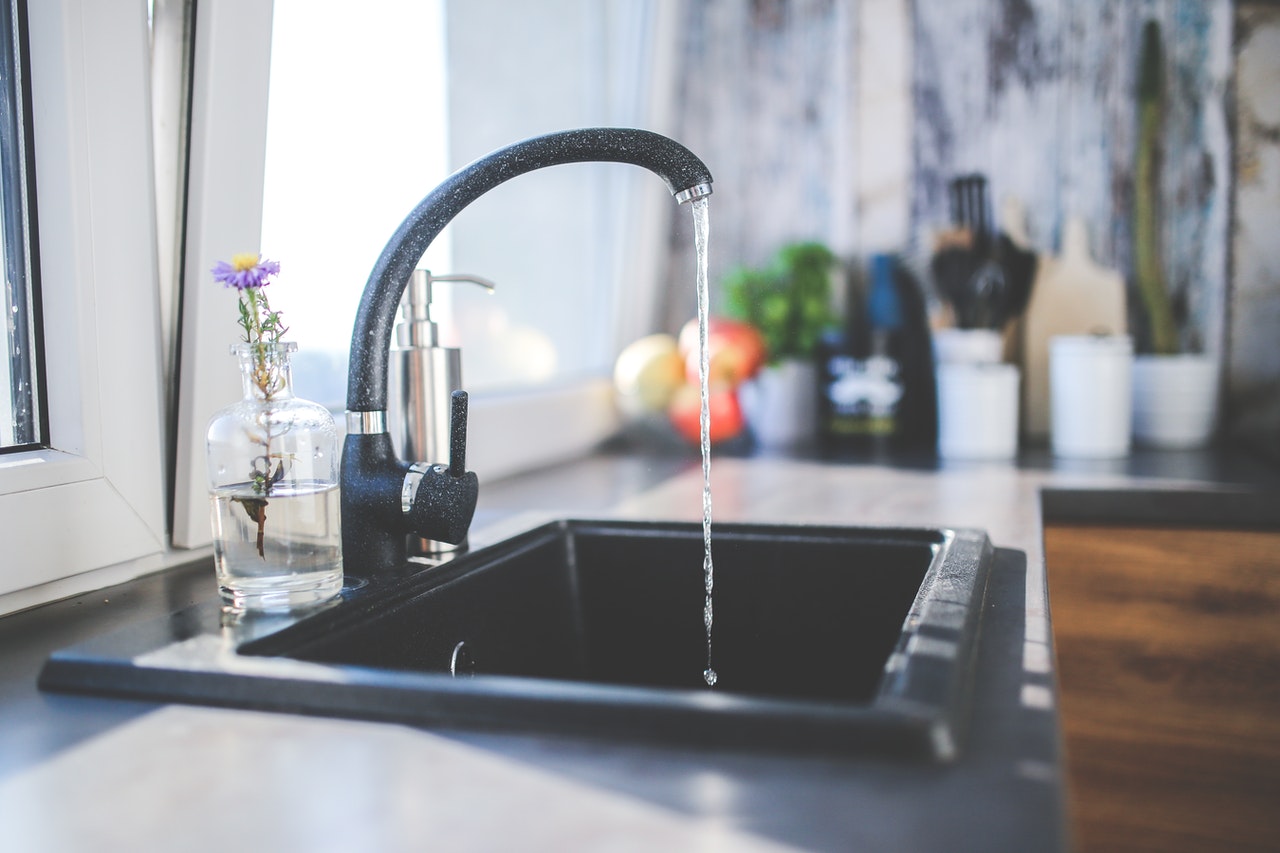
One of the easiest ways in which to save hot water, is to not run the tap needlessly. Many of us mindlessly run a hot tap whilst we brush our teeth or wash pots and vegetables. Simply filling a bowl with enough water each time significantly reduces the amount of water that we use.
Draught proofing makes for a cheap and easy improvement
One of the quickest fixes when making a house more energy efficient is blocking draughts. Many of us live in homes that have draughts that we’re not even aware of. Take a moment to hunt them out on a cold day though, and you’re likely to notice more than you’d think. Doors are the main culprits here, so sit on the floor beside one for a minute or two. If you can feel cold air coming in, then you’ve found an area that you can improve. Permanent draught excluders can be fitted to the bottom of doors, or cheap novelty stuffed excluders can go straight down if you can’t wait to warm up!
Do you really need your appliances on standby?
If you’re anything like me, you may be guilty of leaving electrical appliances on standby. My father always used to turn the TV off at the wall before bedtime, and it’s a habit that I wish I’d taken on. Appliance left on standby still use electricity, and over the course of a few years, you’ll find that you’ve spent a substantial amount on showing a blank screen to an empty room. When you consider that the average family home my have 3 or 4 TVs all silently leeching power on standby each day, you can see how it soon tots up.
It’s not just televisions though: stereos, dishwashers, games consoles, PCs and TiVo boxes we all take their toll on your electricity meter. We have a handful of voice assistants too (Amazon Echos and Google Homes), that stay permanently on. These are not just on standby; they’re actually operating multi-directional microphones that are always ready. These undoubtedly use up more than normal appliances on standby, so may be worth switching off overnight or whilst you’re out at work.
With a few small changes here and there, and a little forward planning, you’ll find that there’s plenty of scope for saving a chunk on your energy bills. Give some of these a try and see the difference for yourself!
Looking for more ways to reduce your carbon footprint? Check out both these recycling ideas, and tips for a sustainable workplace