
When a child has ADHD, finding activities to help them manage their energy and focus can be challenging. Engaging in sensory activities can significantly enhance their ability to concentrate and remain calm. These activities are designed to provide the necessary sensory input that children with ADHD need, helping them navigate their daily tasks with more ease and enjoyment.
Simple yet effective activities such as memory games and exploring sensory bins have been shown to sharpen focus and improve sensory processing. Physical activities like dancing or martial arts also allow children to channel their energy productively. The key is identifying the best activities for kids with ADHD that align with their interests and needs.
Incorporating these activities at home is not only beneficial for the child’s development but also creates a more harmonious environment. Parents and caregivers can utilize these strategies to foster a nurturing and supportive space where children with ADHD can thrive. Please remember that the content of this article is intended for informational purposes only and does not constitute medical advice; for further assistance, consult a healthcare professional.
Key Takeaways
- Sensory activities enhance focus and calm in children with ADHD.
- Identifying activities that match the child’s interests boosts their skills.
- Incorporating these activities at home promotes a supportive environment.
Sensory Activities for Enhancing Focus and Calm
Engaging children in sensory activities can boost their concentration and help manage stress and hyperactivity. These activities can be incorporated at home to create a calming environment and support their development.
Developing Concentration Through Play
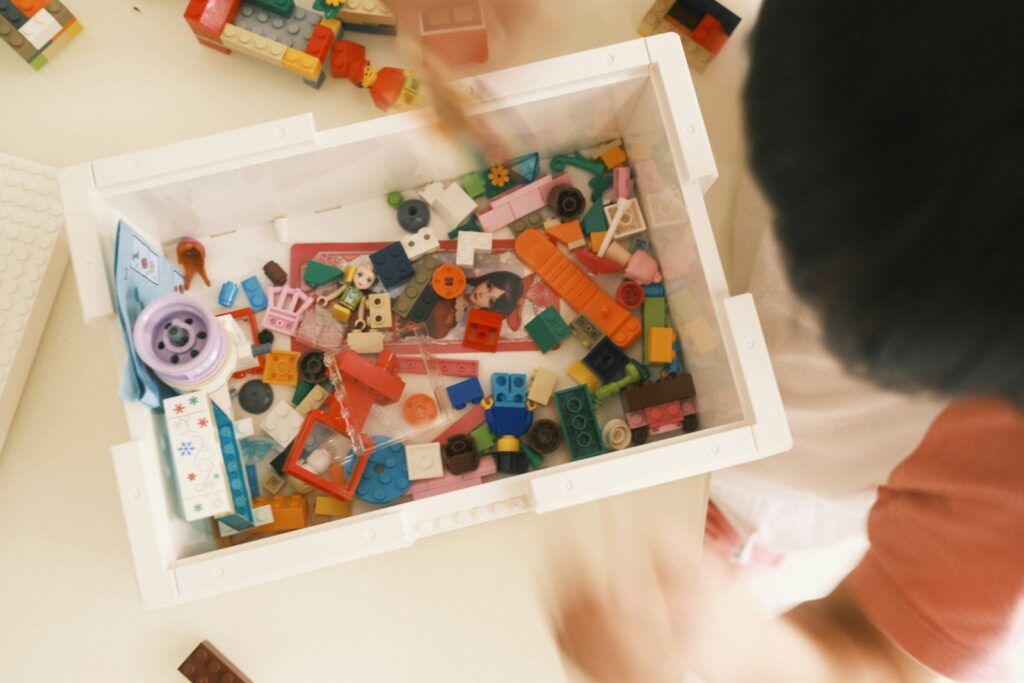
Playing specific games can help children with ADHD develop focus and attention. Memory games and puzzles, like those found in board games, challenge their cognitive abilities and require sustained concentration. “Simon Says” is an excellent game for improving impulse control and attentiveness. Sensory play, such as using sensory bins filled with kinetic sand or clay, engages multiple senses and promotes quiet, focused play.
Physical Activities to Manage Energy and Stress
Exercise and physical movement are crucial for managing energy levels in children with ADHD. Activities like running, jumping rope, or practicing yoga can help release excess energy and improve attention spans.
- Examples of effective physical activities:
- Yoga: Encourages mindfulness and can be calming.
- Dance: Fun and engaging, helps burn excess energy.
- Team Sports: Promotes social skills and physical activity.
- Swimming: Provides a full-body workout and improves coordination and discipline.
- Cycling: Great for cardiovascular health and allows children to explore their surroundings while staying physically active.
- Martial Arts: Teaches self-discipline, focus, and respect, along with providing a structured physical activity.
- Trampoline: Allows children to release energy in a fun and safe manner while improving balance and coordination.
- Hiking: Combines physical activity with the relaxing effects of nature, promoting both physical and mental well-being.
- Obstacle Courses: Engaging and challenging, helps improve agility, strength, and problem-solving skills.
- Jumping Jacks: A simple and effective way to quickly burn off energy and improve cardiovascular fitness.
Using items like stress balls can aid in reducing stress by providing a physical outlet for excess energy.
Creating a Calming Environment at Home
A calming environment at home is essential for helping children with ADHD maintain focus and reduce stress. Dim lighting, soft music, and cozy spaces like a den can create a serene atmosphere. Sensory tools, such as hammocks and bubble wrap, can also provide calming sensory input. Organizing spaces to reduce clutter can further enhance their ability to focus, as a well-ordered environment minimizes distractions.
Parents and caregivers can play a significant role by setting up such spaces and using these strategies consistently. Creating sensory-friendly zones and providing regular sensory breaks can make a substantial difference in a child’s ability to stay calm and focused.
Skill-Building and Learning Through Sensory Activities
Sensory activities provide important opportunities for children, especially those with ADHD, to develop various skills while engaging their senses. These activities support skill-building, improve motor skills, and can be integrated into academic learning to enhance educational experiences.

Enhancing Social and Cognitive Skills
Engaging in sensory activities helps children with ADHD develop crucial social and cognitive skills. Activities such as team sports and clubs promote collaboration and effective social interactions. Interactive play like building blocks encourages problem-solving skills and critical thinking. Sensory play with peers can improve social skills by facilitating better communication and cooperation among children.
Examples of Social Skill Enhancing Activities:
- Team sports
- Group art classes
- Collaborative building projects
Interactive activities also aid in the development of cognitive skills by requiring children to stay focused and alert. This fosters better attention and concentration which are essential for cognitive growth. Such structured play allows children to practice problem-solving in a low-pressure environment.
Fine Motor Skills and Coordination
Sensory activities can significantly improve fine motor skills and hand-eye coordination, critical for children with ADHD. Activities like puzzles and building with blocks sharpen dexterity and promote precise movements. Art class, which involves drawing and painting, also enhances coordination and motor control.
Specific Activities for Motor Skill Improvement:
- Puzzles
- Building blocks
- Drawing and painting
Gardening is another activity that helps children develop fine motor skills and coordination. Handling small seeds and using tools involve controlled movements that benefit their motor abilities. These activities are not only beneficial but also enjoyable, keeping the children engaged and motivated.
Incorporating Sensory Activities in Academic Learning
Integrating sensory activities into academic learning makes education more interactive and effective. Tactile activities like using clay in art class can make learning fun and engaging. Incorporating sensory input helps children with ADHD maintain focus and improve concentration in the classroom.
Effective Sensory Activities for Academic Learning:
- Reading sessions with tactile books
- Hands-on science experiments
- Using manipulatives in math
Implementing these strategies helps children absorb and retain information better. Interactive learning through sensory play supports problem-solving skills and enhances cognitive abilities. This integrated approach in the school environment ensures a holistic development of social, motor, and cognitive skills.
Integration of sensory activities creates a dynamic and inclusive learning environment, making it easier for children with ADHD to thrive academically.
Conclusion
Implementing sensory activities can significantly benefit children with ADHD. Techniques like finger painting and exploring sensory bins provide engaging ways to enhance focus and calmness. Soothing tactile experiences help manage sensory processing issues. Regular sensory breaks with intense movements, such as jumping jacks, can also be effective in maintaining attention. Therefore, engaging in these sensory activities can make a meaningful difference in the lives of children with ADHD.