
In an era where digital threats and privacy concerns are increasingly prevalent, the need for robust security measures is paramount. Laptops, being indispensable tools in our daily lives, are often repositories of sensitive information. To fortify the protection of these invaluable devices, manufacturers are incorporating multiple ways of security identification. This multi-layered approach not only enhances the overall security posture but also provides users with a flexible and convenient means of safeguarding their digital assets.
The Advantages of Laptops with Multiple Identification Methods
Classic yet Crucial
While biometric authentication is cutting-edge, the classic combination of passwords and Personal Identification Numbers (PINs) remains a fundamental component of laptop security. Integrating multiple identification methods allows users to combine the strength of traditional alphanumeric passwords with the convenience of a numerical PIN. This dual-layered approach enhances the overall robustness of the security system, making it more resilient to both physical and digital attacks. Users can opt for complex passwords for added protection while maintaining the simplicity of a PIN for quick and secure access.

Enhancing Physical Security
Incorporating smart cards and tokens into the security repertoire of a laptop adds an additional physical dimension to the protection of sensitive data. These small, portable devices serve as a tangible key to unlock the digital realm. By requiring the physical presence of a smart card or token, even in conjunction with other authentication methods, laptops become fortified against remote cyber threats. This feature is particularly advantageous for users who prioritize an extra layer of physical security, especially in environments where the risk of theft or unauthorized access is higher.
Fortifying the Digital Fortress
The synergy of biometric authentication, passwords, PINs, smart cards, and tokens culminates in the implementation of multi-factor authentication (MFA). This comprehensive security approach ensures that access to the laptop is granted only after successful verification through multiple independent methods. MFA not only enhances the overall security posture but also mitigates the risk of unauthorized access even if one layer of authentication is compromised. This dynamic and adaptive security model reflects the evolving landscape of cyber threats and positions laptops as formidable fortresses against the ever-growing array of digital dangers.
Protecting Data Beyond Device Access
Beyond the realm of identification methods, modern laptops with enhanced security features often come equipped with remote wipe and tracking capabilities. In the unfortunate event of a laptop being lost or stolen, these functionalities enable users to remotely erase sensitive data and track the device’s location. This proactive measure not only safeguards personal and confidential information but also assists in the recovery of the device. The integration of such features underscores the holistic approach to laptop security, extending beyond access control to protect valuable data even when the physical device is no longer in the user’s possession.
Unleashing the Power of Personalization
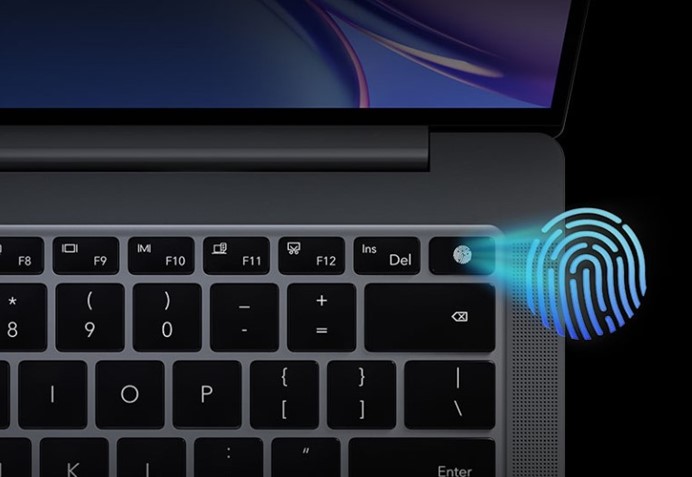
One of the key advantages of laptops featuring multiple security identification methods is the integration of biometric authentication. Utilizing unique biological characteristics such as fingerprints, facial features, or iris patterns, biometric authentication adds an extra layer of personalization to the security framework. The integration of the fingerprint and power keys characterizes the keyboard area of the HONOR MagicBook View 14, embracing a design that emphasizes simplicity. The Honor store’s latest promotion includes an attractive HONOR official store Saudi Arabia launch offer. You can visit the store’s website to discover discounts and exclusive deals.
Conclusion
The advantages of laptops with multiple ways of security identification are manifold. From biometric authentication for a personalized touch to the timeless strength of passwords and PINs, and the added physical security provided by smart cards and tokens, these devices offer a comprehensive defense against the diverse array of cyber threats. With the implementation of multi-factor authentication and features like remote wipe and tracking, modern laptops are not just computing devices but sophisticated digital fortresses, ensuring the safety and privacy of users in an increasingly interconnected world.