Around 71% of school leavers choose to study A levels when they leave school. They are the bridge between GCSEs and university that helps prepare children for the workplace. Unlike GCSEs, they run off a different grading system and earn students what are known as “UCAS points” to help them secure places at university. We have teamed up with an independent school in Somerset to create this guide to A levels.
What Are A Levels?
A levels are qualifications that your child will have the opportunity to study once they have completed their GCSEs and are in college or sixth form. They are a step up from the level 2 courses that they would have done prior and are classed as level 3.
What Are the Main Differences Between GCSEs and A Levels?
Unlike at GCSE, your child will have fewer subjects to study due to the contact hours required for each. They will also need to carry out more independent study. As a general rule, they will need to complete one hour for every hour that’s taught. This is so that they can get to grips with the content as there’s a lot that is covered.
When Are A Level Exams?
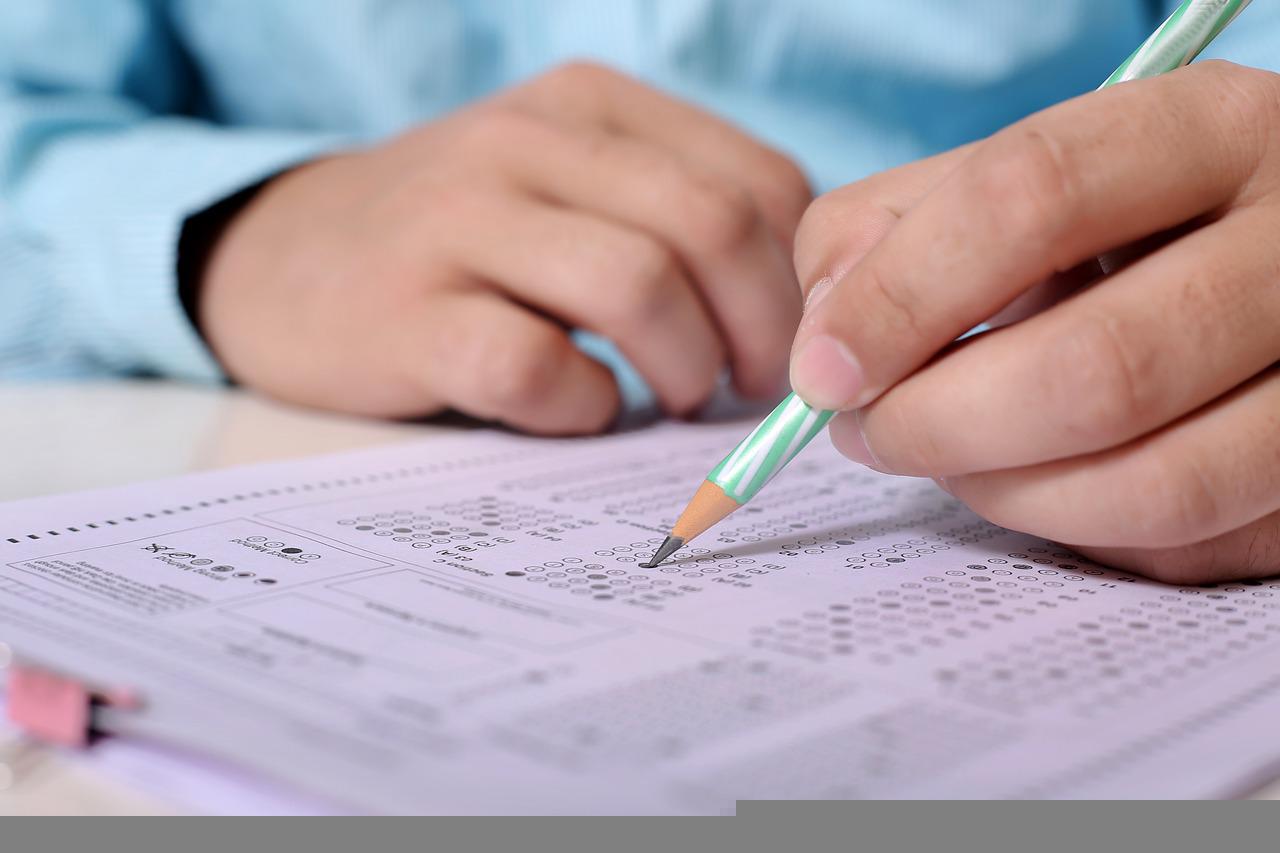
A level exams start around May and finish in June. Course content is usually finished in April which makes the easter holidays the ideal time to get revision done.
When Should My Child Start Revising?
While they can start revision during the easter break, your child will be in a better position if they start their revision sooner as they will have more time to familiarise themselves with topics. It gives them the time to work with their teachers and address their weaknesses. This should be a little easier if they are sticking to their independent study.