
*This is a sponsored post*
If like me, you’re more IDK than DIY, it can be baffling trying to figure out how to perform the same household jobs that our fathers did so effortlessly. My dad worked in the building trade for years, and practically made most of my childhood home. He was super handy around the house, and when I first moved out I was ringing him all the time to help with various jobs that I couldn’t get my head around.
How did all our fathers become so knowledgeable about DIY in a pre-YouTube era? It beats me, and although a few of my friends have started to show a little talent for fixing stuff as they approach middle age, I still find myself stumped by anything that requires a drill. With that in mind, I’ve finally come round to the idea that prevention is better than the cure. An annual home maintenance check is just the thing to stay ahead of any potential problems that may arise down the line. Why should you listen to me though if I’m so bad at DIY?
…Because if I’m able to perform these checks, then ANYBODY can.
This isn’t by any means an exhaustive list, in fact, it’s only three items long. Each one focuses on preventing water damage in particular. If my couple of years spent as a teenage insurance broker taught me anything, it’s that a large amount of claims and issues come from damage caused by leaks and blockages. Get ahead of these to ensure you don’t meet a similar fate!
Check your plug holes
Don’t wait for your pipes to become clogged, a simple clean out once or twice a year will ensure that everything runs smoothly in your bathroom. I share a house with three girls with long hair, you can bet your bottom dollar that our plug hole is quickly heading towards a blockage if it’s not cleaned out routinely.
Clearing plug holes is very simple. After you’ve made sure that the immediate opening is free of hair or anything else that could obstruct the flow of water, you have two options: either pour a specialist drain cleaner down the hole, or use a drain snake to loosen any blockages.
Clear your gutters
Like your plug holes, it’s much easier to keep a regular check on the state of your gutters rather than dealing with problems related to an uncleared blockage later on.
Hop up your ladders and use a hosepipe to check that water is flowing unhindered down your gutters. If you have trees in your garden, or live near to some, you may well find a build up of leaves in your gutters. Left on their own, these tend to mulch up over time and become a sloppy nuisance.
Another thing to watch out for is birds making nests in your gutters. If any birds have made their home in your gutters, it’s likely that the first sign of any rain will see them quickly change their mind. Unfortunately, nests aren’t particularly mobile homes, and their old home of twigs and other debris will be left behind in your gutter. If you can, try to rehouse the nest nearby in a safe and less obtrusive spot that won’t cause any damage. Your feathered tenants may return, so keeping the nest close to the original spot gives them a chance of finding it.
If your gutters are damaged and need anything more than a simple clear out, it’s best to call out a company such as this Clark NJ roof repair firm, that provides a gutter service. The last place that DIY newbies should start to practice their skills is two stories up in the air!
Check your roofing
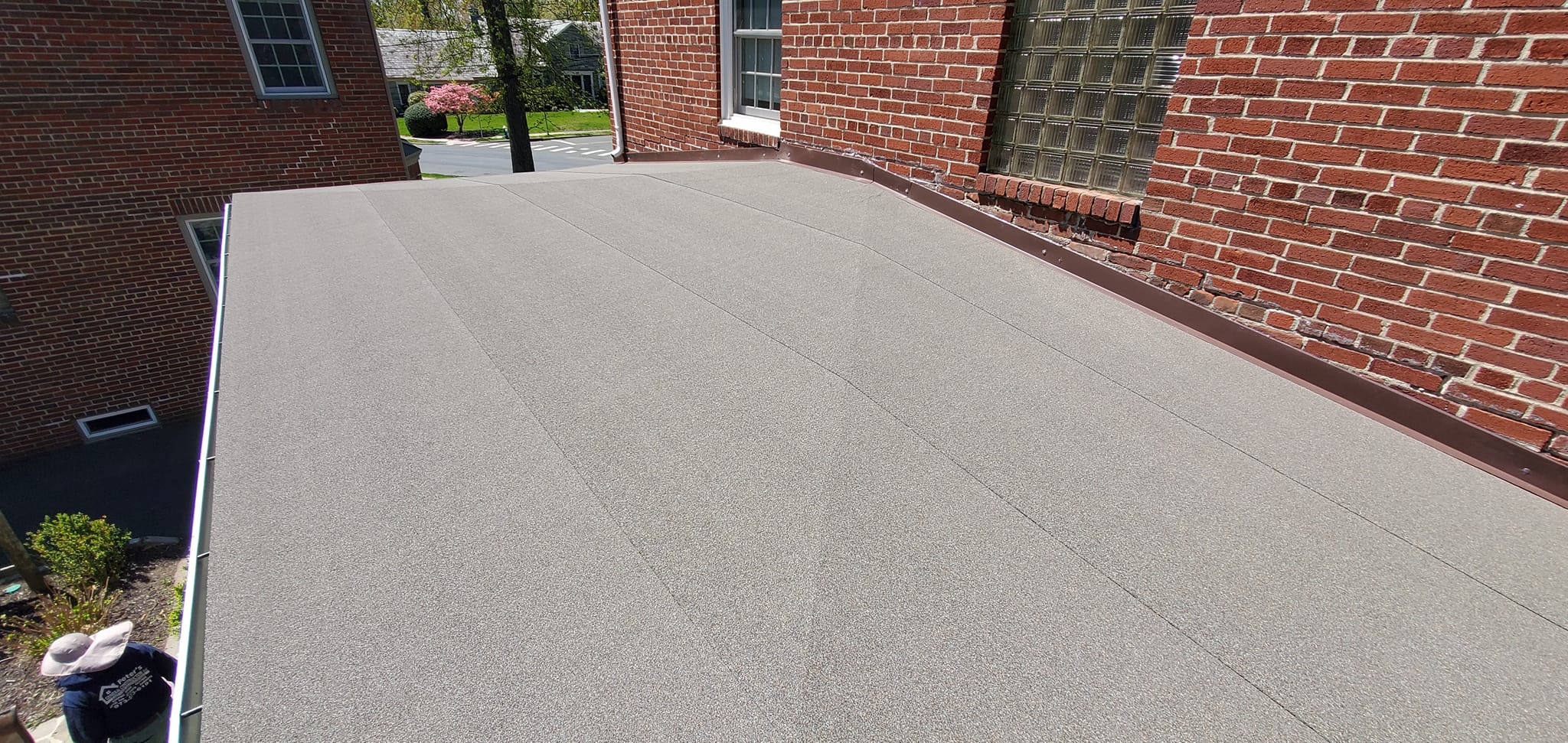
Whilst you’re up your ladder, take a moment to survey the condition of your roof before you get back down. Roofs tend to pick up the most damage over the winter months in general, when winds can be particularly fierce. With that in mind, the springtime is the best time for you to check to see if your roof has sustained any issues.
Look out for missing tiles, water damage or growing moss, but don’t try to fix these yourself. Clambering across the top of your house isn’t a good idea if you’re not experienced in roof repair. Better to call in a specialists such as Peter’s Roofing, who have scaled more rooftops then you’ve had hot dinners.
The main reason to check your roofing isn’t so much so that you can fix it yourself, it’s more to get a drop on any big issues that can occur because of it. Any ingress of water from your roof can become a huge problem over time, so it’s worth checking for signs of damp in your loft too.
There you have it: a simple three-point checklist that will give you plenty of notice of any potential issues. Water damage to a property is no joke, and just by performing these checks every 12 months, you can stand to spare yourself a lot of cost and hassle caused by issues that could have been spotted much earlier.