
Learning to drive and owning your first vehicle are both rites of passage as we move into adulthood, but as many of us would have been warned back then – it comes at a serious cost. With living costs rising through the roof at levels not seen before, the last thing you need is for your car to bleed you dry too.
Running a car entails a smorgasbord of costs, both hidden and obvious, which need to be taken account of when factoring in your finances. It’s certainly not inexpensive, and if you don’t keep an eye on the costs involved, a car can seriously take a chunk out of your wallet. Thankfully, there are a few ways in which you can keep bills and fees to a minimum when choosing a new car.
Factor in road tax and insurance
That sexy-looking 3-litre sports car might seem a bargain at first, but road tax and insurance costs can be astronomical for powerful cars. Young drivers especially will find it difficult to secure insurance at all on some vehicles, and its not uncommon for companies to charge premiums of thousands of pounds to allow those under 25 to drive in performance cars.
Whilst slightly less expensive, road tax can still take a chunk out of your monthly pay packet. Generally speaking though, the same cars that will attract lower insurance premiums, also tend to warrant less road tax. In the UK, there’s definitely a bias toward greener vehicles, with those promising lower CO2 emissions seeing more favourable tax bills. Purely electric vehicles meanwhile, don’t have to pay tax at all, owing to their zero emissions.
Consider a used vehicle and shop around for finance packages
It’s an old piece of wisdom, but it bears repeating here – once you drive a new car off the forecourt, it instantly loses around £2,000 from its value. That figure obviously depends on the type of car it is, but the sentiment is solid. Buying a new car makes little financial sense. Few large-value purchases decrease in value as quickly as a new car.
There are a lot of factors that go into buying a used car, one of which is how the car looks. If you’re lucky, you can score a secondhand car that only needs a few exterior retouches. It’s essential to consider the car’s condition before purchasing it and ensure it is in good enough shape to be reliable. If you’re interested in touching up a used car with touch-up paints, many trusted providers can make it easier for you to do it yourself, thus avoiding additional costs in your journey to buying a car.
Make sure that before you enter into any long-term financial agreement, you’re certain that you can make the repayments comfortably enough. It’s a good idea to run the costs through an online calculator first to ensure that you know exactly what you’ll be paying back. Remember to factor in things like tax, deposits and possible trade-in values to get the truest figures.
Think about the type of car it is
Some cars are just more expensive to run than others. If you’re only planning on doing some short trips across town, then a huge diesel-guzzling engine will probably cost you more than a smaller petrol or electric vehicle. Conversely, those taking on regular long motorway journeys might find the same large engine more economical over the long run.
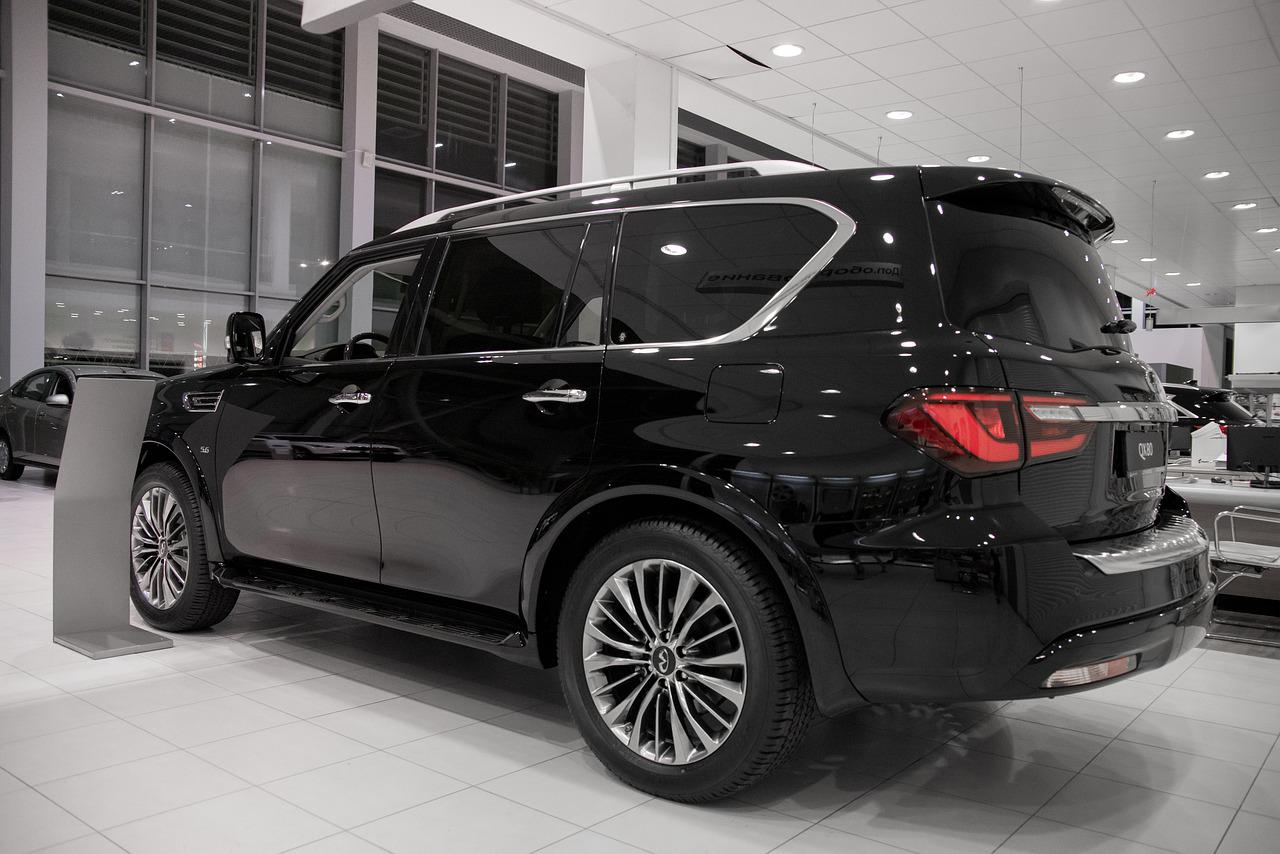
The trend seems to be moving towards bigger SUV-style cars and 4x4s at the moment. Remember though, that all that extra weight is going to use up extra fuel to get around. If you’re not planning on off-roading, or don’t have a large family you need to accomodate for, then you’ll find that you’re paying a premium for a large car just to make find a parking spot trickier.
Get it checked over
If you’re not a mechanic yourself, you’ll be well-advised to bring one with you when looking over potential purchases. Some mechanics will offer this service, but if you struggle to find one that does, just bringing someone at least semi-clued up can help to save you some money down the line.
I’ve lost count of the times that I’ve bought absolute wrecks because the seller looks honest enough, or they’ve played the radio loud on test drives so I couldn’t hear the worrying rattle under the hood. Bring someone along with you who knows what to look for, and your new car will be far less of a gamble. That tiny squeak right now can end up as an expensive problem a couple of months down the road.
I realise all too well that it can be tempting to plump for the flashy super-charged car that’s just within your budget, but taking a moment to consider the ongoing costs that vehicle will bring can save you money in the long run. If your finances are unstable or liable to fluctuate, then perhaps you’ll be best to look elsewhere until you know for certain that you can afford to run that giant gas guzzler that you’ve been eyeing up. Look at what you’re spending now, and try to determine how much more (or less) you’d be prepared to pay, and you’ll be less likely to rue your purchase. Good luck!