
Getting Started with Essentials
Choosing the right camping essentials is crucial for a fun and successful trip. You need to focus on key items like shelters and sleeping gear to enhance your outdoor experience, whether you’re into car camping or RV camping.
Choosing the Right Shelter
Your shelter is your home away from home, so pick something that suits your needs. For car camping, a spacious tent that fits everyone is ideal. Look for tents that are easy to set up and take down. If you’re RV camping, make sure your RV is equipped with awnings or a separate canopy for outdoor space.
Consider the weather at your campsite. You’ll want a tent with a rainfly if there’s a chance of rain. Don’t forget to bring along stakes and guylines to keep your tent secure. Packing a ground tarp can help keep the base of your tent dry and clean.
Selecting Sleeping Gear
A good night’s sleep under the stars starts with the right sleeping gear. Whether you’re in a tent or an RV, a comfortable sleeping bag is crucial. Choose one rated for the climate of your camping area. If you’re camping in colder weather, look for sleeping bags designed to keep you warm.
Don’t forget a sleeping pad or an inflatable mattress for extra comfort. They provide insulation from the cold ground and make sleeping much comfier. If you have room, bring along your favorite pillow from home or a compact camping pillow for better sleep quality. Keep your eye out for compact gear that’s easy to pack along with your other camping gear.
Packing the Perfect Camp Kitchen
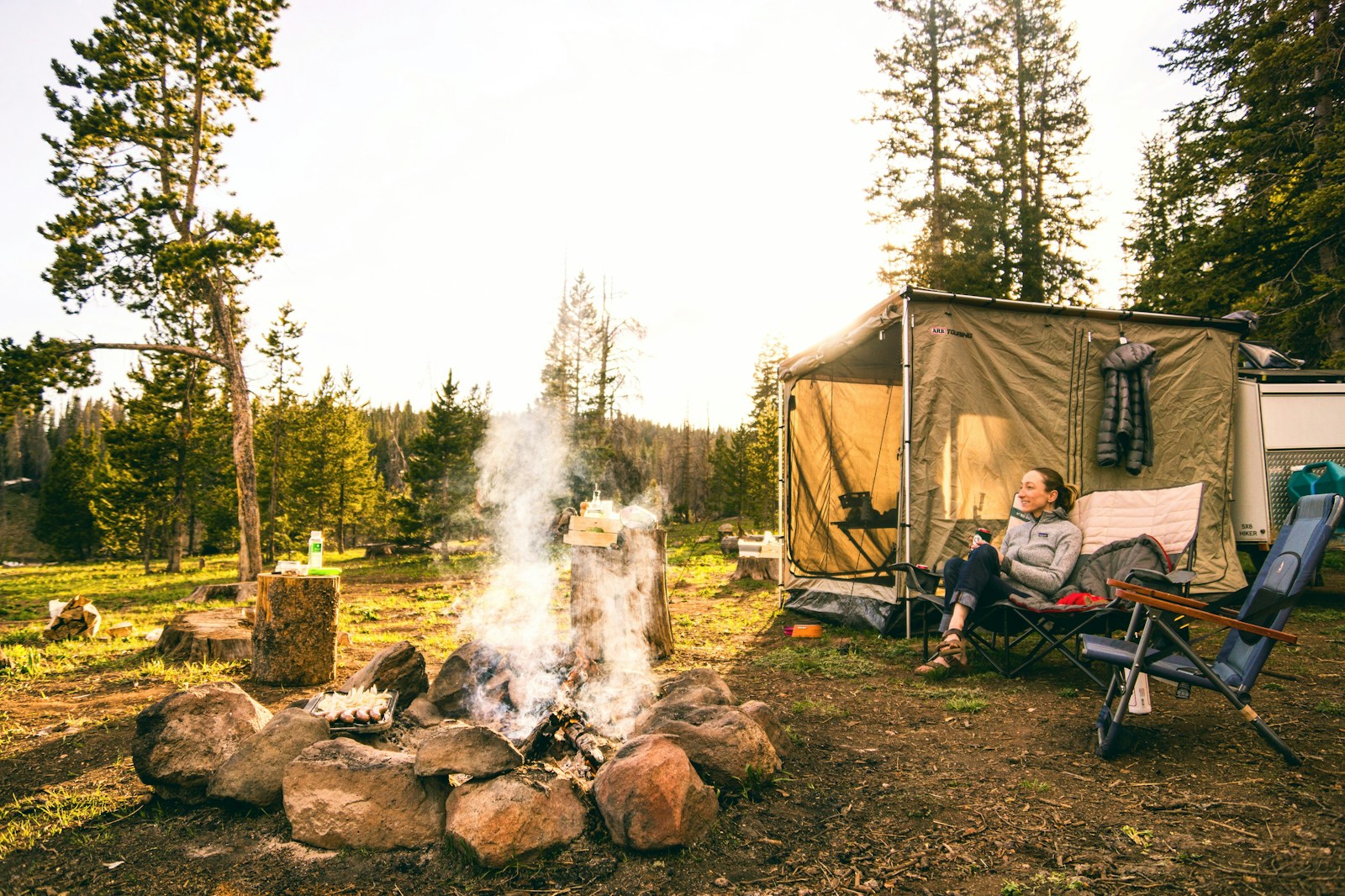
Creating a camp kitchen involves more than just packing food. You’ll need the right cookware and supplies to prepare delicious meals and stay healthy while enjoying the great outdoors.
Camping Cookware Essentials
Having the right camping cookware is crucial. Start with a lightweight and durable stove that fits your camping style. A portable camp stove or a compact grill is perfect for most trips.
Pots and pans that are designed for backpacking are great because they’re lightweight and compact. Don’t forget a sturdy spatula, tongs, and a sharp knife for meal prep. For cleanup, pack a small sponge and bio-degradable soap.
A cooler is essential for keeping perishables fresh. Reusable containers help organize your ingredients. A foldable table might come in handy if there’s no picnic table.
Planning Camping Meals
Plan simple and hearty meals to save time and space. Think about breakfast options like oatmeal or pancakes. Sandwiches and wraps are easy for lunch. For dinner, pasta dishes or ready-to-eat meals can be tasty and filling.
Create a meal plan so you only bring what you need. This reduces waste and helps ensure you have the right ingredients. Pre-cook some meals at home if you can. It saves time and fuel when you’re camping.
Don’t forget snacks like trail mix, jerky, or granola bars. They keep you energized during hikes. Also, pack some spices and condiments to add flavor to your meals.
Staying Hydrated and Healthy
Staying hydrated is crucial. Always have plenty of water on hand. A water filter or purification tablets can be useful if you’re near a natural water source.
Consider hydration packs or reusable water bottles. These are convenient for hikes or exploring. Keep an eye on your health by packing a basic first aid kit.
Ensure you eat balanced meals with enough protein, carbs, and fats. This helps you maintain energy levels. Watch out for any food allergies, especially when planning group meals.
Packing a camp kitchen can enhance your camping experience, making meals more enjoyable and stress-free.
Apparel and Protection
When getting ready for a camping trip, it’s important to choose your clothing and gear carefully. The right apparel will keep you comfortable, while protection against the elements will ensure your safety.
Dressing for the Outdoors
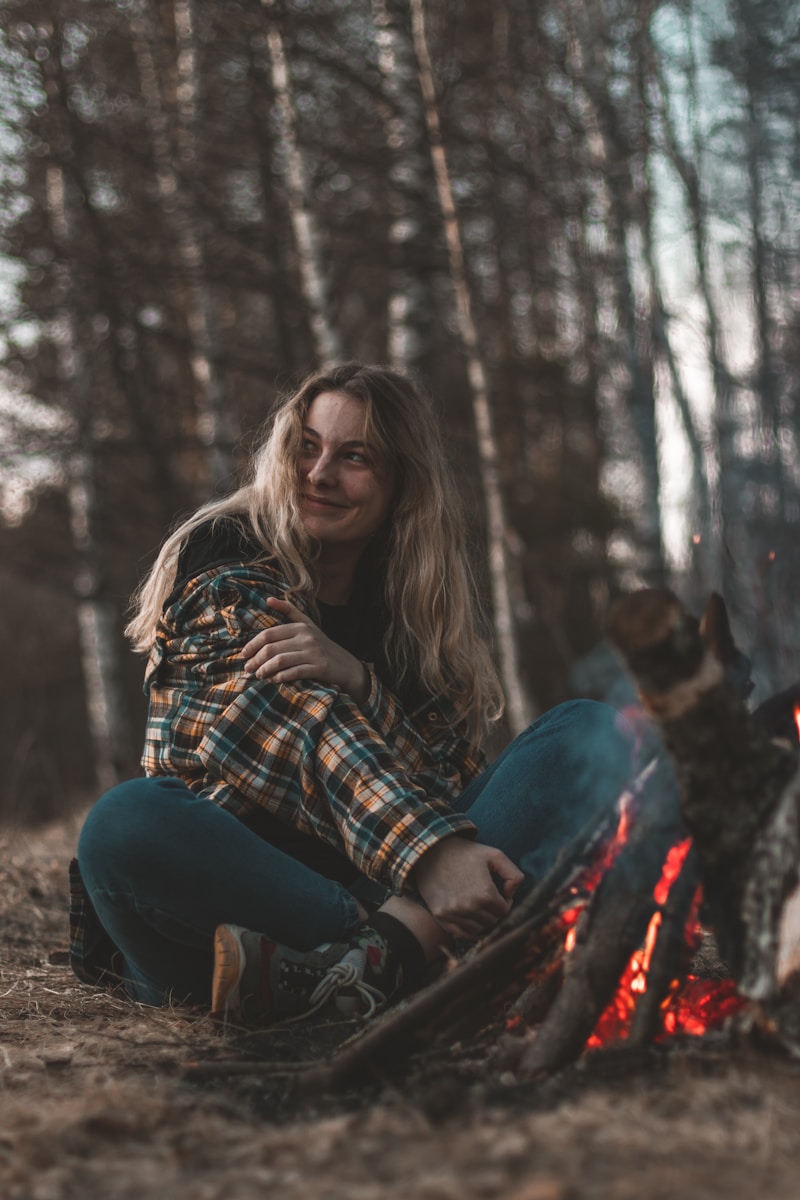
Picking the right clothes is key to a successful camping trip. You should plan on layering to adapt to changing weather. Start with a moisture-wicking base layer to help keep sweat away from your skin.
Hiking pants are versatile and offer both flexibility and breathability. They are perfect for the demands of camping and exploring trails. Choose pants that dry quickly to handle unexpected rain or creek crossings.
For cooler weather, add a warm mid-layer, like a fleece jacket. This will help maintain your body heat. Gear that combines comfort with functionality will make your outdoor experience more enjoyable.
Shielding Against the Elements
To stay safe, you need to prepare for nature’s surprises. Packing insect repellent is crucial to ward off annoying bites. It’s especially important in marshy or wooded areas.
A wide-brimmed hat and sunscreen protect your skin from harmful rays, even on cloudy days. Rain gear, such as a waterproof jacket, keeps you dry if storms roll in. Make sure your footwear is sturdy and well-fitting to prevent slips and injuries on uneven terrain.
By having the right protective gear, you can enjoy your adventure without worrying about the weather or other natural elements.
Safety and Navigation
Staying safe while camping and knowing how to get around are both super important. A good first aid kit and some helpful tools can make your trip more enjoyable. You’ll want to be prepared for anything nature throws your way.
First Aid Preparedness
Having a well-stocked first aid kit is one of the most important things to pack. The kit should include bandages, antiseptic wipes, and tweezers. Don’t forget pain relievers and allergy medicine as well. It’s a good idea to know basic first aid skills, like how to treat cuts and sprains, too.
You might also want to add a whistle to your kit. It can help if you need to signal for help. Look for waterproof cases to keep your kit items dry and easy to find. Writing down emergency contacts and keeping them in your kit can be handy, too.
Tools for Guiding Your Journey
Good navigation tools will help you explore and keep track of your path. A compass and map are must-haves, even if you plan to use GPS devices or apps. Know how to read a map and use a compass before heading out.
Bring a reliable flashlight with extra batteries so you don’t get stuck in the dark. A headlamp is useful because it keeps your hands free. Mark your route on a map before you go and check the weather. This helps you avoid surprises while out in the wilderness.
Environmental Responsibility
When camping, it’s important to enjoy nature without leaving a mark. Follow essential practices to preserve the environment. This includes principles like leaving no trace and effective waste management.
Leave No Trace Principles
To keep nature pristine, follow the Leave No Trace principles. These include steps like packing out all trash, minimizing campfire impact, and respecting wildlife. Always travel and camp on durable surfaces. By staying on established trails and campsites, you avoid damaging delicate ecosystems.
Plan ahead. Bring a camping packing list to ensure you have all essentials and avoid needing to use or leave behind natural resources. Using a portable camp shower can help minimize impact on water bodies.
Waste Management and Cleanup
Proper waste management is key. Always pack reusable containers to reduce trash. Bring trash bags to collect waste and carry it out when you leave.
Dispose of human waste properly by using facilities if available or digging a small hole at least 200 feet from water sources. Clean dishes away from lakes and streams, and strain food scraps into trash.
Keep your campsite tidy. Regularly check for any litter or items left behind. This not only helps the environment but improves your camping experience and that of future adventurers.