
Exploring the Ancient Splendor of Asia
When you think of Asia, its rich tapestry of history comes alive through its stunning ancient architecture. From the majestic temples of Cambodia to the intricate beauty of India’s Mughal marvels, these sites offer a glimpse into the past and showcase timeless artistry and heritage.
Angkor Wat: Cambodia’s Archaeological Crown Jewel
Step into the heart of Cambodia, where Angkor Wat stands as a testament to the grandeur of the Khmer Empire. Located in Siem Reap, this iconic temple complex is a UNESCO World Heritage Site, celebrated for its breathtaking architecture and intricate carvings.
Built in the early 12th century, Angkor Wat was initially a Hindu temple dedicated to Vishnu before it transformed into a Buddhist site. Its design showcases the pinnacle of Khmer architecture, with soaring towers and detailed bas-reliefs depicting epic historical events and myths.
Visiting Angkor Wat, you can explore its impressive corridors, marvel at the central shrine, and soak in the serene surroundings. This place not only illustrates the religious devotion of its creators but also represents the artistic achievements of Southeast Asian history.
India’s Pride: The Taj Mahal and Mughal Architecture
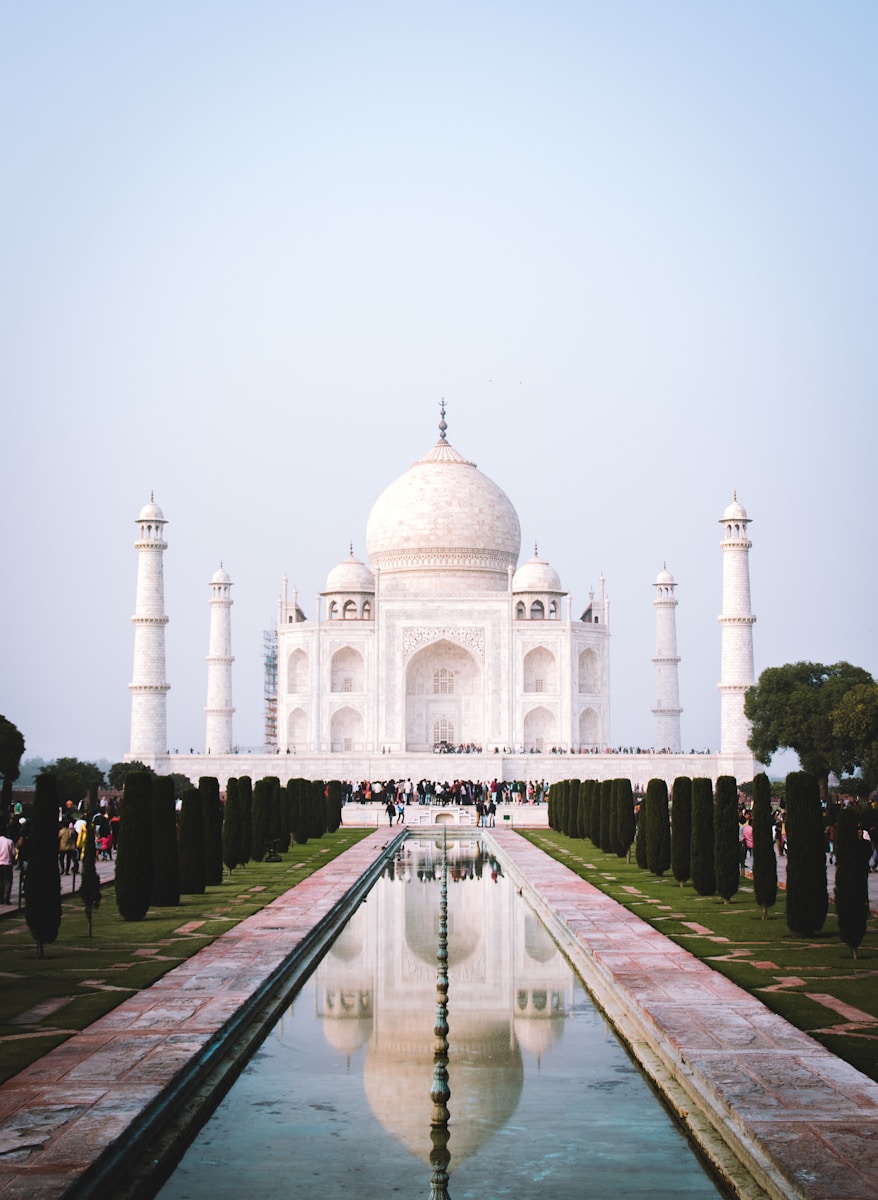
In India, the Taj Mahal captures the spirit of Mughal architecture with its elegant design and romantic history. Commissioned by Emperor Shah Jahan in memory of his wife, Mumtaz Mahal, the Taj Mahal is not just a mausoleum but a symbol of enduring love.
The purity of the white marble, the symmetry, and the exquisite inlay work featuring semi-precious stones highlight the refined craftsmanship of the Mughal era. Nestled alongside the Yamuna River in Agra, the Taj Mahal’s gardens, reflecting pools, and symmetrical layout create a serene setting.
As you visit, take in the harmonious blend of Persian, Indian, and Islamic influences that define this masterpiece. The Taj Mahal remains a beacon of beauty and an essential piece of India’s heritage, inviting you to appreciate its artistic and historical significance.
Discovering the Mystical Temples of Southeast Asia
Explore some of the most amazing temples in Southeast Asia, where history and spirituality come to life. From Indonesia’s Borobudur to Myanmar’s Bagan, each site boasts incredible architecture and deep religious significance.
Borobudur Temple: The Buddhist Marvel of Central Java
In the heart of Central Java, Borobudur stands tall as a magnificent Buddhist temple. It’s known for its stunning architecture and intricate stone carvings. Built during the 9th century, Borobudur is a pilgrimage site for Buddhists worldwide.
The temple is made up of nine stacked platforms topped by a central dome. The structure is adorned with over 2,600 relief panels and 504 Buddha statues. As you explore the three tiers of this grand structure, you’ll experience a symbolic journey to enlightenment. With Mount Merapi in the backdrop, visiting Borobudur at sunrise offers breathtaking views and a serene atmosphere.
The Ancient Temples of Bagan in Myanmar
Bagan in Myanmar is home to a vast collection of ancient temples and pagodas. Between the 9th and 13th centuries, Bagan was the capital of the Pagan Kingdom. It saw the rise of over 10,000 Buddhist temples, pagodas, and monasteries, though many are now in ruins.
Today, over 2,000 structures remain, showcasing various architectural styles. Some of the most prominent temples include Ananda Temple, known for its gleaming gold spires, and Dhammayangyi, the largest temple at the site. Each temple holds stories of the region’s past and its religious traditions. Enjoy a hot air balloon ride to see the sunrise over Bagan’s temple-studded plains for a truly magical experience.
Iconic Fortifications and Imperial Palaces
When exploring the majesty of Asia, you’ll discover two remarkable landmarks that highlight the region’s imperial past: the Great Wall of China and the Forbidden City. These sites showcase incredible architectural achievements and offer fascinating insights into China’s history.
The Majestic Great Wall of China
The Great Wall of China is not just a wall; it’s an awe-inspiring structure that stretches over 13,000 miles. As you walk along this iconic fortification, you’ll be surrounded by breathtaking views of lush landscapes and towering mountains.
The construction of the Great Wall was a massive undertaking that involved millions of workers and vast amounts of resources. A variety of materials were used in the wall, such as stone, brick, wood, and soil. It was designed to be both a physical barrier and a psychological deterrent to potential invaders.
Each section of the wall has its own story, reflecting different dynasties and their defense strategies. Built mainly during the Ming Dynasty, it served to protect against invasions from the north. Beyond its military purpose, the wall stands as a testament to human perseverance and ingenuity. Visiting the Great Wall offers insight into ancient Chinese life and provides numerous spots for incredible photography.
Exploring the Forbidden City’s Rich History
The Forbidden City is another must-see that holds great historical significance. Located in the heart of Beijing, this vast palace complex was the imperial home for 24 emperors of the Ming and Qing dynasties. Here, you can marvel at over 900 beautifully preserved buildings, featuring magnificent wooden architecture.
*The Palace Museum now resides here, displaying imperial artifacts and treasures.* As you wander through its stunning courtyards and gardens, imagine life as it was centuries ago, when the palace was a bustling center of power. Its layout reflects traditional Chinese beliefs about harmony and balance, making it an architectural marvel worth exploring.

Serene Beauty: Gardens, Palaces, and Natural Wonders
Explore enchanting places in Asia where history meets nature. Experience the colorful magnificence of Thailand’s Grand Palace and the impressive Sri Lankan site of Sigiriya. Both highlight stunning cultural and natural beauty.
The Grand Palace of Thailand: A Regal Heritage
In the heart of Bangkok, The Grand Palace is a must-visit if you’re captivated by history and architecture. This spectacular complex has been home to Thai kings since 1782. With its golden spires, intricate murals, and the revered Emerald Buddha, every corner of the palace tells a story rich in tradition.
As you wander through the palace grounds, you’ll feel awed by the impressive craftsmanship and vibrant colors. The blend of Thai and European architectural styles adds uniqueness to this landmark. When visiting, you’re stepping back into a vital part of Thailand’s cultural heritage. With its lush courtyards and detailed structures, the Grand Palace offers more than just history; it offers an unforgettable experience.
Sri Lanka’s Sigiriya: The Lion Rock
Sigiriya, also known as Lion Rock, is a true marvel standing tall in Sri Lanka. This rock fortress dates back to the 5th century and serves as both a palace and a symbol of Sri Lanka’s ancient civilization.
Climbing the rock rewards you with incredible panoramic views of the surrounding landscape. The intricate frescoes found on the rock walls add charm and captivate with their historical significance. As you walk through the gardens at the base, you’ll be surrounded by distinct water features that are considered among the oldest in the world. Sigiriya combines natural beauty with significant cultural heritage, making it a noteworthy destination.
Fusion of Spirituality and Architecture
Asia is home to magnificent buildings where spirituality and architecture come together. These structures not only serve religious purposes but also offer breathtaking sights that are a testament to human creativity.
Nepal’s Architectural Gem: Tiger’s Nest Monastery
Perched on the edge of a steep cliff in Bhutan, Tiger’s Nest Monastery is a marvel of Buddhist architecture and spirituality. Although it is often associated with Nepal due to cultural and historical ties, the monastery itself is located in Bhutan.
This sacred site is also known as Paro Taktsang. Built in 1692, it stands at an elevation of about 3,000 meters above the sea. You will be amazed by its spectacular location surrounded by stunning natural beauty.
The monastery is an important pilgrimage site for Buddhists and features intricate prayer wheels, beautifully carved statues, and detailed murals. The trek to reach the monastery offers unique views, making the journey as rewarding as the destination.
The Sacred Fushimi Inari-taisha in Japan
Fushimi Inari-taisha is a major Shinto shrine located in Kyoto, Japan. Known for its thousands of vibrant red torii gates, this ancient building seamlessly blends spiritual reverence with impressive architecture. Established in 711 AD, it is dedicated to the rice god, Inari.
The shrine’s sprawling grounds cover a network of trails, each lined with torii gates that lead you to the sacred Mount Inari. Along these paths, you will find smaller shrines, making it a place of deep meditation and spiritual reflection.
Visitors often enjoy hiking up to the summit, experiencing the serene atmosphere amidst lush green surroundings. Fushimi Inari-taisha remains a symbol of Kyoto’s cultural heritage and offers numerous spots perfect for quiet contemplation.