
As the world of gardening and agriculture continually evolves, sustainability has emerged as a crucial priority. For farmers, homeowners with personal gardens, and anyone engaged in smaller-scale agriculture, selecting eco-friendly garden tools transcends mere cultivation—it represents a commitment to safeguarding the environment for future generations.
This article delves into the importance of these tools and examines their role in fostering a healthier, more sustainable ecosystem.
Why Eco-Friendly Garden Tools Matter
Eco-friendly materials are designed to reduce the environmental impact during their production, use, and disposal. These materials are renewable, require less energy to produce, and can often be recycled at the end of their lifecycle.
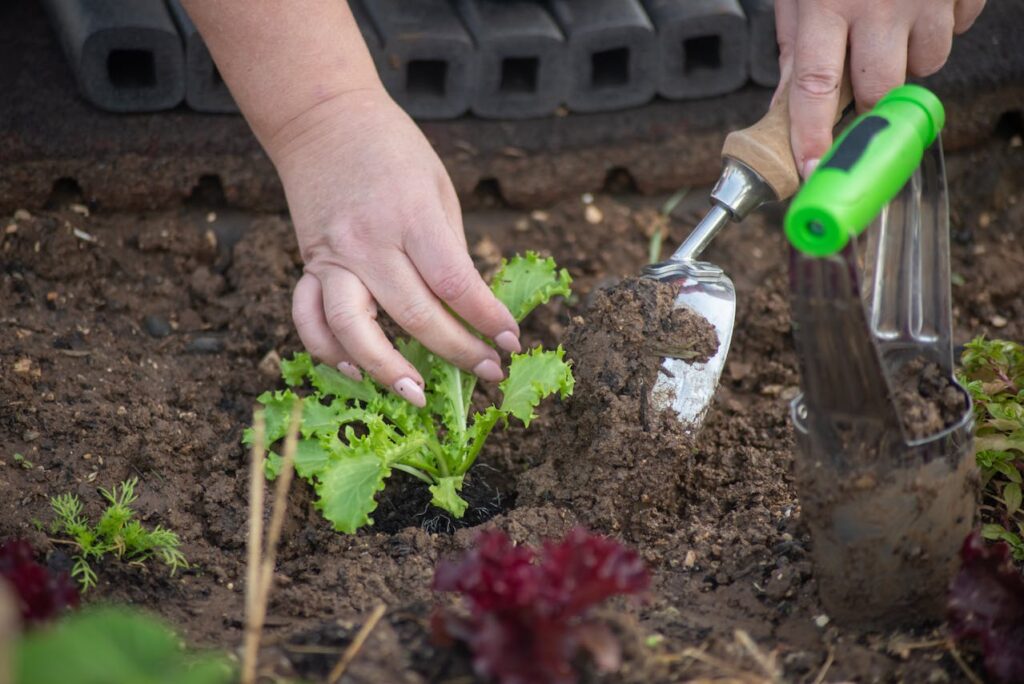
1 – Reducing Carbon Footprint
The production of traditional garden tools, which often involves the use of virgin plastics and metals, is energy-intensive and generates significant amounts of CO2. In contrast, eco-friendly materials typically require less energy to produce and process, substantially lowering their carbon footprint.
2 – Minimizing Waste
Eco-friendly garden tools are designed with sustainability in mind. Many are made from recycled materials, helping to reduce the waste that ends up in landfills. Additionally, tools made from biodegradable materials can decompose naturally, adding nutrients back into the soil instead of persisting in the environment as pollutants.
3 – Promoting Healthier Ecosystems
The use of non-toxic and natural materials in gardening is crucial for maintaining healthy soil biomes, which is especially important for enhancing the environment of beneficial garden dwellers, such as the Rhode Island chicken.
This popular breed, known for its hardiness and utility, thrives in clean and chemical-free surroundings. Their health and the quality of their eggs can be directly influenced by the soil conditions and the vegetation they interact with.
Using tools treated with natural oils instead of synthetic varnishes can enhance the sustainability of organic gardens. This holistic approach to gardening underscores the interconnectedness of natural material use and the vitality of agricultural life.
| Trivia: Did you know that wool pellets can be used as a natural fertilizer in gardening? Wool pellets release nutrients slowly as they break down, improving soil structure and water retention. |
What to Look for in Eco-Friendly Garden Tools
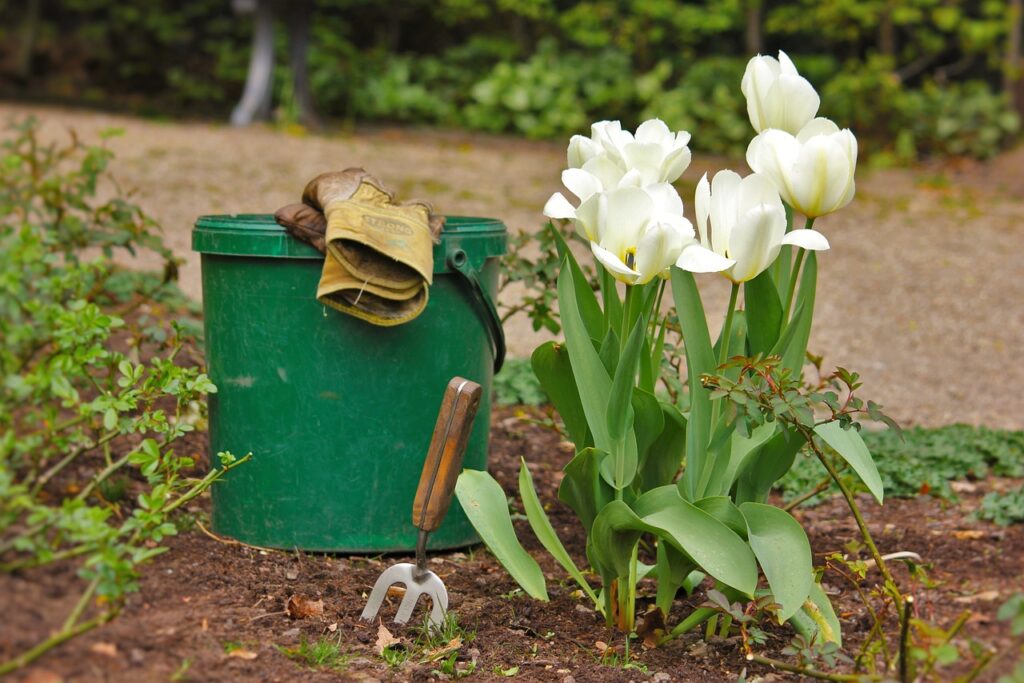
When selecting eco-friendly garden tools, look for those made from sustainable materials such as bamboo or recycled metal, and consider tools that feature biodegradable components, which reduce environmental impact by breaking down naturally over time.
1 – Materials
Look for tools made from renewable or recycled materials. Here are five notable examples of such materials:
- Bamboo: Bamboo is one of the most popular eco-friendly materials used in garden tools. It’s strong, lightweight, and doesn’t require pest control or much water to grow. Tools like handles for rakes, trowels, and spades are often made from bamboo.
- Biodegradable Plastics: Some garden tools are now being made with biodegradable plastics, offering a sustainable alternative to conventional materials. These innovative plastics are derived from natural sources like corn starch or sugarcane and are designed to break down over time without harming the environment.
Research from Iowa State University has shown that these bioplastics offer improved environmental benefits such as enhanced biodegradability and reduced reliance on fossil fuels. Bioplastics also have the unique ability to self-fertilize plants.
- Rubber from Recycled Tires: Recycled rubber, often sourced from old vehicle tires, is used in garden tool grips and as a material for garden hoses and mats. This not only recycles material that would otherwise fill landfills but also provides a durable and flexible product suitable for gardening use.
- Recycled Metals: Recycled metal tools, including trowels, spades, and pruners, are as durable and effective as new ones but are more environmentally friendly.
- Coconut Fiber (Coir): Coconut fiber, or coir, is a sustainable byproduct of the coconut industry used in garden products like eco-friendly pots and weed mats. It’s biodegradable, improves soil aeration, retains moisture, and serves as an excellent peat alternative, enhancing plant growth while reducing environmental impact.
2 – Manufacturing Processes
Consider how the tools are made. Eco-friendly tools should have a production process that minimizes energy consumption and waste production. Some companies also use solar power or other renewable energy sources to further reduce the carbon footprint of their manufacturing process.
3 – Packaging
Eco-friendly garden tools should come with minimal packaging. If packaging is necessary, it should be recyclable or compostable. This reduces waste and the demand for single-use plastics.
4 – End-of-Life Disposal
Check if the tool can be recycled or composted at the end of its life. A truly sustainable gardening tool continues to benefit the environment even after it is no longer usable.
| Did you know? Coconut coir, a natural fiber extracted from the husk of coconuts, is a sustainable alternative to peat moss in gardening. Coconut coir is not only a by-product of coconut harvesting, making it highly eco-friendly, but it also has excellent water retention capabilities, which helps in reducing water usage. |
Conclusion
Choosing eco-friendly garden tools is a practical step towards sustainable living. By opting for tools that are made with the environment in mind, gardeners and farmers not only nurture their plants but also contribute to the health of our planet.
As the demand for sustainable products grows, the availability and variety of eco-friendly garden tools will continue to increase, making it easier for everyone to make responsible choices.