
Understanding Travel Fatigue and Its Impact on the Body
Travel fatigue can leave you feeling worn out and less enthusiastic about your trip. It’s important to know its signs and causes, such as how changing time zones affects your internal clock.
Recognizing Symptoms of Travel Fatigue
When you’ve been on the road for a while, travel fatigue can sneak up on you. You’ll notice signs like feeling unusually tired or having less interest in activities you usually enjoy. These are more than just a sleepy feeling—they’re signals from your body that it needs rest.
Sometimes, you might feel physically tired, while other times, your motivation levels drop. Pay attention to changes in your mood, energy, and even appetite. Managing these symptoms can help you focus on enjoying your travels.
The Role of Circadian Rhythm and Jet Lag
The internal clock, known as your circadian rhythm, plays a big role in how tired you feel. Jet lag can disrupt this rhythm, especially when you cross time zones quickly. This can lead to feelings of fatigue and makes it harder to stay alert.
Your body likes routine, so switching time zones affects your sleep-wake cycle. This can make you feel sleepy or wide awake at odd hours. To ease this, try adjusting your sleep schedule before your trip and getting sunlight to reset your internal clock.
Pre-Travel Strategies to Minimize Fatigue
Getting ready before your trip is key to feeling less worn out. Focus on a consistent sleep schedule and good eating habits to help your body handle the journey better.
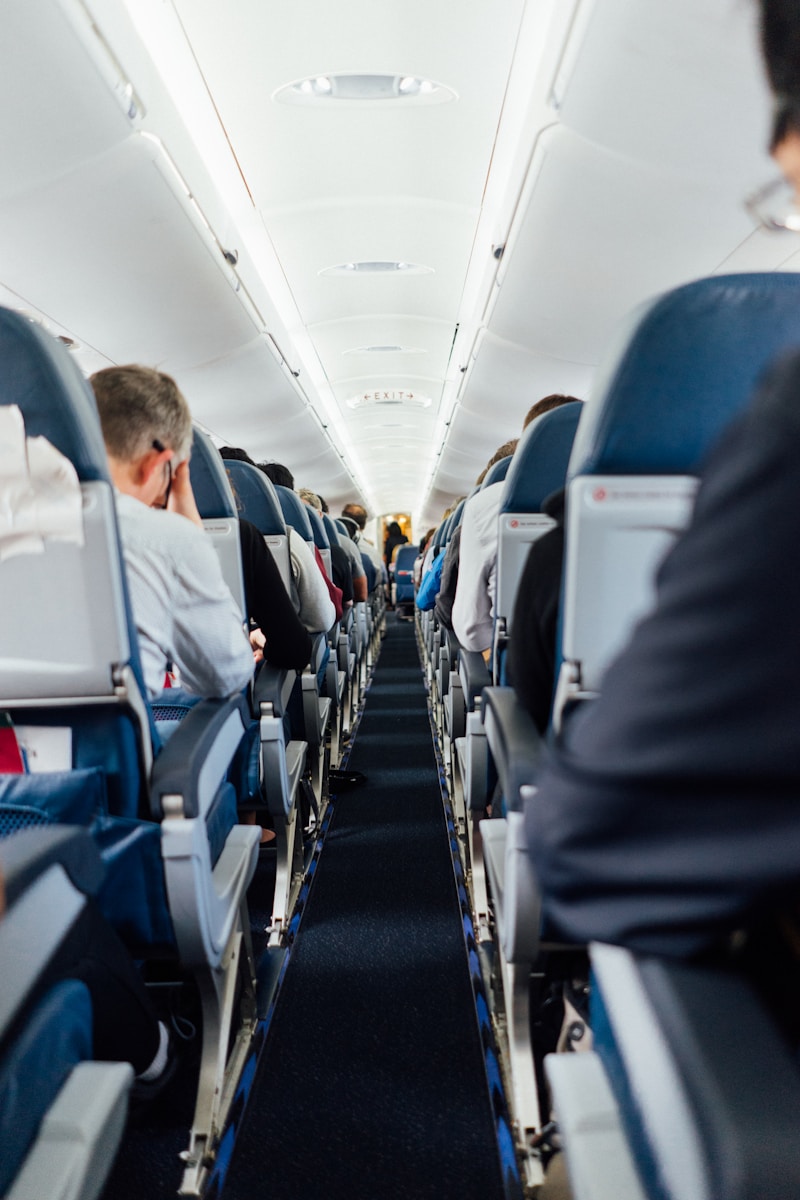
Setting a Healthy Sleep Schedule Before Departure
Start adjusting your sleep schedule a few days before you leave. If you’re traveling to a different time zone, gradually shift your bedtime by an hour each night. This helps your body clock adjust ahead of time.
Getting enough sleep before you travel is important. Aim for 7 to 9 hours each night to feel rested. Try to keep your sleep environment quiet and dark. Reduce screen time before bed to help your mind relax and prepare for sleep.
Hydration and Nutrition Tips for Travelers
Staying hydrated is crucial, so drink plenty of water before your trip. Dehydration can make you feel even more tired. Keep a water bottle handy and drink regularly throughout the day.
Eat nutritious meals packed with fruits, vegetables, and whole grains. Healthy snacks like nuts or yogurt provide lasting energy. Try to avoid heavy or greasy foods that can make you feel sluggish. Eating balanced meals will help you feel refreshed and ready to enjoy your travels.
In-Transit Relaxation Techniques
When you’re on a trip, staying relaxed can make your journey much more pleasant. Deep breathing, meditation, music, and reading are great ways to stay calm and ease anxiety.
Breathing Exercises and Meditation for Relaxation
Deep breaths can help calm your body and mind while you travel. Close your eyes and take deep, slow breaths, in through your nose and out through your mouth. Count each breath up to ten. Do this a few times to help bring down stress levels.
Try meditation apps like Headspace or Calm. These apps guide you through simple meditation exercises. Meditation can help you focus your mind and feel less anxious. Even a few minutes of meditation can make a big difference.
The Benefits of Listening to Music and Reading
Listening to your favorite music can be a wonderful way to relax during a trip. Create playlists that make you feel good. Music can improve your mood and even help you concentrate better. Use headphones to minimize external noise and enjoy your tunes.
Reading is another great way to relax. It can transport you to another world and make time go by faster. Whether you prefer novels, self-help books, or magazines, having something engaging to read can keep your mind occupied and ease travel-related stress.
Take a Shower to Relieve Fatigue
After a day of playing, you may feel tired. Taking a hot shower can bring many soothing effects. According to the latest medical information, hot baths can help relieve stress, promote blood circulation, and relax muscles, thereby effectively reducing muscle soreness and fatigue.
Practical Tips for Managing Stress and Anxiety While Traveling
When you’re on a trip, stress and anxiety can sneak up on you, making it tough to enjoy your time away. Using mindfulness and healthy habits can help keep these feelings in check, offering relief and helping you feel more at ease.
Incorporating Mindfulness into Travel
Mindfulness is about staying present and calm. While traveling, you can practice simple mindfulness techniques to reduce stress. Try deep breathing exercises by inhaling slowly through your nose, holding for a few seconds, and then exhaling gently. This can help calm your mind, especially in busy airports or during long flights.
Consider using apps that guide you through mindful meditation sessions. Even a few minutes a day can make a difference. Drinking warm herbal tea like chamomile or peppermint can also soothe your nerves. Its health benefits include reducing anxiety and encouraging relaxation.
Healthy Coping Mechanisms for Irritability and Burnout
Travel can sometimes lead to irritability and burnout, especially if you’re dealing with long journeys or crowded places. Stay hydrated and make sure you’re eating regularly to keep your energy and mood stable. Carry healthy snacks with you to avoid getting too hungry.
When you’re feeling burnt out, find time to rest and recharge, even if it’s just for a short break. Listen to your favorite music or read a book to momentarily escape from the chaos. You can also learn to recognize your stress triggers, allowing you to manage them more effectively when they arise.
Physical Wellness and Movement
Staying physically active while traveling can help reduce stress and prevent discomfort. Incorporating yoga and stretching can ease physical tension, while maintaining good posture supports your health during long trips.
Yoga and Stretching Exercises for Long Flights
During long flights, sitting in one place can make your body feel stiff. Doing yoga and stretches in your seat can keep you comfortable. Start by gently twisting your torso to each side.
Next, stretch your arms overhead, and wiggle your toes to improve circulation. If you have space, standing up and performing a few standing stretches can enhance your flexibility and reduce fatigue.
These simple movements help improve blood flow and reduce potential aches from sitting too long. You can use this time to unwind and recharge for your adventure.
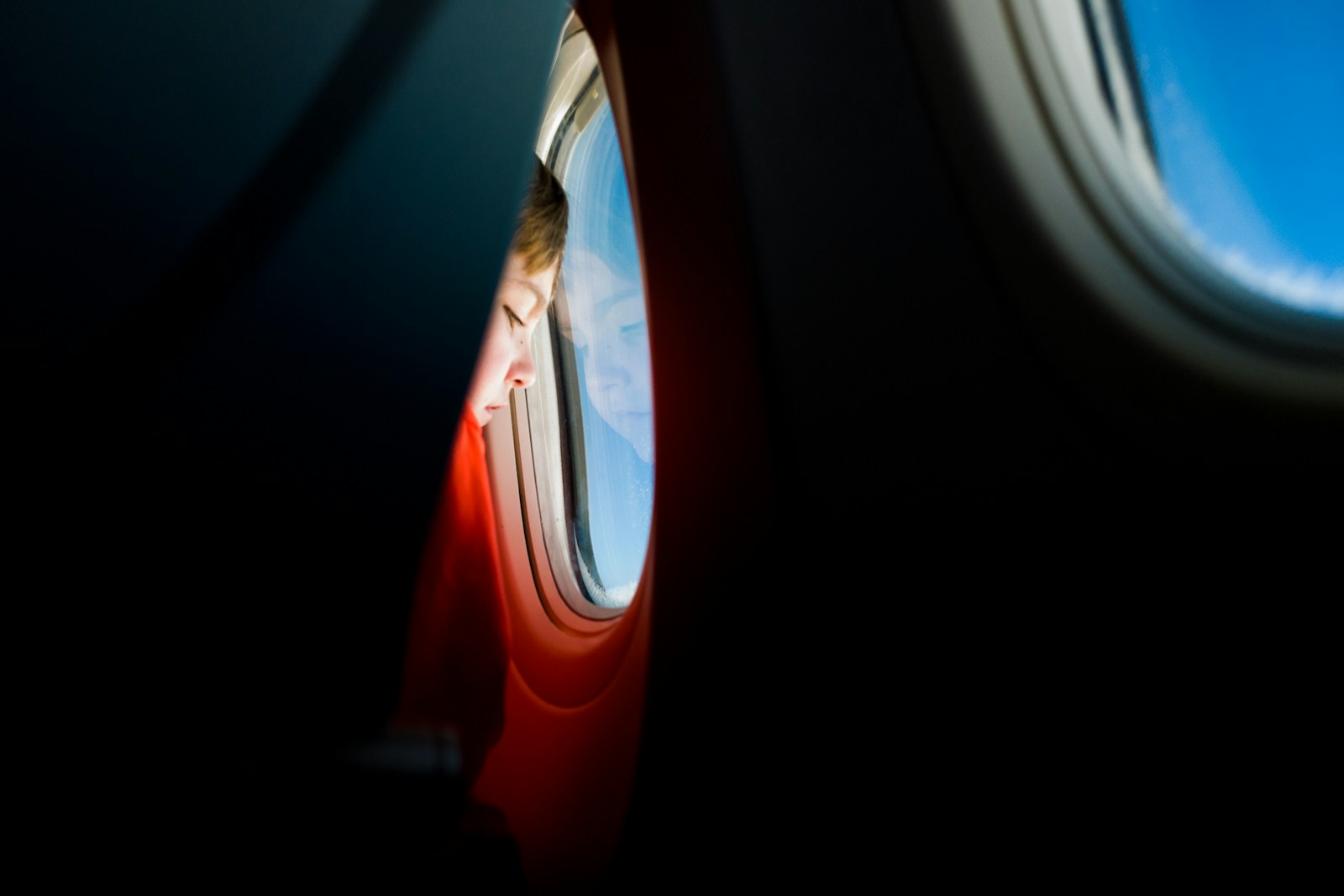
Maintaining Posture and Physical Health on the Road
Good posture is crucial for avoiding back pain, especially if you’re a digital nomad or long-term traveler. When sitting, try to keep your feet flat on the ground and your shoulders relaxed. This helps in maintaining spinal health.
Using a travel pillow can support your neck during naps. Another tip is adjusting your screens to eye level if you work remotely, ensuring you maintain a healthy angle.
Melatonin can be a helpful supplement to regulate sleep patterns, which supports your overall well-being during your travels. Regular posture checks can help you stay aware of how you’re sitting and help you make quick adjustments.
Cultivating Good Sleep Hygiene During Your Travels
Getting good sleep while traveling is crucial to avoid feeling tired or jet-lagged. Adjusting your sleep schedule and using sleep aids can help maintain energy levels.
Adapting Your Sleep Schedule to New Time Zones
Traveling to different time zones can throw off your internal clock and lead to sleep deprivation. To adapt, start adjusting your sleep schedule a few days before your trip. If heading east, go to bed earlier; if west, go to bed later.
Try to get natural sunlight during the day. This helps regulate your body’s internal clock and reduces jet lag. On long trips, stay hydrated and avoid caffeine and heavy meals before you sleep.
Using these strategies can ease your transition into a new time zone, helping you wake refreshed.
The Use of Sleep Aids and Melatonin Supplements
Sleep aids and melatonin supplements can be helpful if you struggle to sleep during travel. Melatonin is a hormone that regulates your sleep-wake cycle and is effective for short-term use.
Take melatonin supplements 30 minutes before bed to help your body adjust to a new schedule. Be cautious with other sleep aids and always follow recommended guidelines to avoid potential side effects.
Consult a healthcare provider if you have concerns about using supplements. Keep in mind that practices like relaxing bedtime routines and a calm environment can enhance sleep quality naturally during your travels.