
The Foundation of Culinary Communication Online
Understanding how to communicate well in the kitchen can really change how you cook. Online cooking classes provide chances to pick up not just recipes but also key communication skills in a virtual setting.
Essentials of Effective Communication in Cooking
To succeed in online culinary settings, embracing clear communication is essential. When you talk about recipes, clarity matters. If you describe steps plainly, it helps everyone understand what to do next. This is crucial in virtual classes, where body language isn’t visible.
Listening closely when others speak is important. Whether it’s during a live class or a video, paying attention ensures you won’t miss tips or key techniques. Feedback is another important part. When you share what worked for you or ask questions, you get better. Online platforms often have forums or comment sections for this, so don’t hesitate to use them.
Starting Your Culinary Journey with Online Cooking Classes
Online classes are a great way to begin learning more about cooking. They offer flexibility and access to a variety of cuisines and techniques right from home. You’ll learn from instructors who can include step-by-step video guides, which can be revisited anytime.
Many classes encourage interaction through chat features or video calls. Use these to ask questions and clarify doubts. Some courses might also include quizzes or assignments to test your knowledge. These features help to keep you engaged and give a structured learning experience.
Choosing a course wisely can set the stage for your culinary journey. Look for courses with positive reviews or that highlight communication and detailed explanations. This approach ensures that what you learn is practical and easy to apply in your cooking.
Developing Your Cooking Skills at Home
Improving your cooking skills at home can be a fun and rewarding process. With careful practice and growth in self-confidence, you can become more comfortable and creative in the kitchen.

Culinary Skills Refinement Through Practice
One of the best ways to refine your cooking skills is through regular practice. Start with simple recipes to build your confidence. Once you feel comfortable, you can try more complex dishes.
Experimentation is key. Try using different techniques like grilling, baking, or steaming. This will help you understand how each method affects flavors.
Consistency is important. Cooking regularly will sharpen your skills over time. Don’t hesitate to repeat dishes to master them. Observation and note-taking during cooking can also offer insights into what works best for you.
The Role of Self-Efficacy in Learning to Cook
Building confidence, or self-efficacy, is crucial to becoming a better cook. Believe in your ability to succeed, and don’t get discouraged by mistakes.
Set small goals to achieve steady progress. For example, perfect a new knife skill or learn to make a sauce from scratch. Celebrate these achievements as milestones.
Seek feedback from friends or family. Positive encouragement can boost your self-belief. As your skills grow, so will your confidence, making cooking an enjoyable and fulfilling experience.
Joining the Professional Kitchen: A Guide
Embarking on a culinary career in a professional kitchen can be both exciting and challenging. You’ll need to understand what the journey entails, from starting as an amateur cook to gaining formal training at a culinary institute.
From Amateur to Professional: A Culinary Career Overview
Entering a professional kitchen means embracing a fast-paced environment. At first, you might start with basic tasks like chopping and prepping, but with experience, you’ll tackle more complex dishes.
Networking is key, as relationships with fellow chefs can open doors to new opportunities. As you gain experience, your skills in teamwork and communication will grow, which are essential in a bustling kitchen. Learning on the job by watching and asking questions also helps enormously.
Being willing to learn and adapt is just as important. The skills you gain as an amateur are valuable, but keep an open mind. You’ll need to adjust to both the hectic atmosphere and the expectations that come with a professional setting. It’s also crucial to stay patient, as mastery takes time and practice.
Culinary Institute Insights: What to Expect
Attending a culinary institute can elevate your career and provide foundational skills. Institutes offer courses in cooking techniques, kitchen management, and even business aspects of the culinary world. They prepare you for the demands of a professional kitchen and beyond.
Classes often include hands-on training, where you’ll learn to handle equipment and ingredients like a pro. The curriculum is designed to build confidence in your abilities and introduce you to a variety of cuisines.
Institutes also focus on essential soft skills, such as time management and communication. You’ll find that learning from experienced chefs can give you unique insights and refine your approach to cooking.
Fostering Interaction among Food Enthusiasts
Connecting with others who share your passion for food can greatly enhance your cooking skills. Engaging in conversation and listening to feedback are key to expanding your culinary horizons.
Benefits of Verbal Communication and Feedback in Cooking
Talking about cooking with others helps you learn new techniques and tips. Verbal communication allows you to share ideas and ask questions. By discussing dishes and preparation methods, you can discover different ways to enhance recipes.
Receiving feedback from fellow food enthusiasts provides valuable insight into your cooking style. Their suggestions help you refine taste and presentation, making your dishes even better. Constructive criticism is important, and a friendly exchange of ideas can elevate your skills.
Methods for Listening and Responding in Culinary Discussions
To make the most out of culinary discussions, it’s essential to listen actively. Paying attention to others’ experiences and techniques introduces you to fresh perspectives. As you hear about various cooking methods, you can incorporate them into your own practice.
Responding thoughtfully encourages more dialogue, enriching the conversation. Asking open-ended questions makes interactions more engaging. By sharing what you’ve learned and offering your insights, you build a community where everyone grows together.
Breaking down ideas into smaller, digestible pieces is a great way to ensure clear communication. Enthusiastic exchanges keep the culinary passion alive and encourage mutual learning. Engaging with others who love food as much as you do can inspire creativity and lead to new culinary adventures.
Cultivating a Love for Fresh Produce
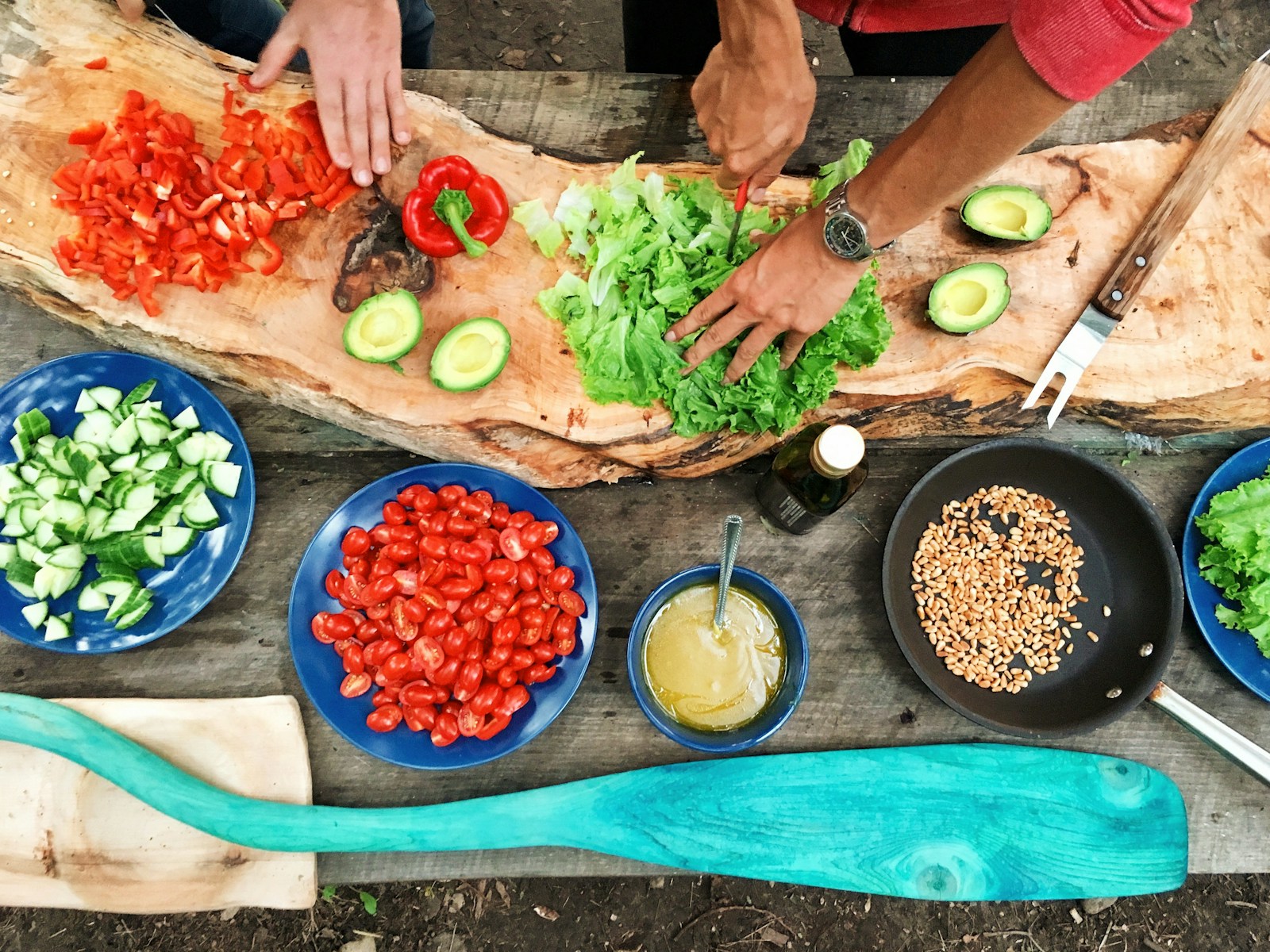
You can boost your cooking skills and enjoy healthier meals by embracing fresh produce. Discover the joy of growing your own ingredients and learn creative ways to prepare fruits and vegetables to enhance your culinary experience.
Gardening for Chefs: Growing Your Ingredients
Starting a garden is a rewarding way to connect with your food. Imagine cooking with herbs, tomatoes, or carrots you’ve grown yourself. It’s not just about the fresh flavors; it’s also about understanding where your food comes from.
A small backyard or even a windowsill can become a mini-garden. Begin with easy plants like basil or lettuce. Containers are great if space is tight. As you learn, try your hand at tomatoes or zucchinis. Growing your herbs and veggies gives you a deep appreciation for each meal, as freshly-picked produce enhances your cooking flavors.
Increasing Fruit and Vegetable Intake through Creative Preparation
Getting more fruits and vegetables into your meals can be tasty and fun. It’s not just salads; think of colorful stir-fries, soups, and fresh juices. Sautéing veggies lightly keeps them crisp and flavorful.
Try roasting fruits like apples or peaches for a sweet treat. Remember, presentation can make a big difference. Arranging vibrant veggies on your plate can make meals visually appealing.
Experiment with different cooking methods. Blending veggies into sauces or smoothies can boost nutrients without changing taste. Creative preparation helps you enjoy the different textures and flavors of fruits and vegetables, making healthy eating delicious and exciting.