
Are you thinking about insulating your home but don’t know where to start? It can sometimes feel overwhelming! Not to worry – we’ve got you covered with this comprehensive guide on Home Insulation 101. In this guide, we’ll walk you through the different types of insulation available and help you decide which one is best for your needs and budget.
You’ll have all the information you need to make a confident decision that will keep your home warmer in winter and cooler in summer, cutting down those expensive energy bills, too. If you’re looking for an effective and efficient way to save money while making your home more comfortable, read on as we set out everything there is to know about home insulation options.
Why Insulation Matters?
Insulation is a vital component of any home construction or renovation project. It serves an integral role in creating a comfortable and energy-efficient living space. If you’re still unsure about why you should consider investing in home insulation, here are some compelling reasons.
1. Energy Efficiency
Insulation helps to keep your home’s temperature stable by limiting the transfer of heat. This means less energy is needed to heat or cool your home, reducing your carbon footprint and saving on energy bills.
2. Comfort
Proper insulation ensures your home stays warm during the winter and cool during the summer. It helps to eliminate cold drafts and overheated spaces, making your home more comfortable year-round.
3. Increased Home Value
A well-insulated home is often more appealing to potential buyers. It denotes energy efficiency and reduced maintenance costs, thus potentially increasing your home’s resale value.
4. Noise Reduction
Insulation also serves as an excellent sound barrier, reducing the amount of noise that can enter your home from the outside and vice versa.
5. Moisture Control
Certain types of insulation offer moisture control, reducing the risk of mold and mildew in your home, which can be beneficial to your health and the longevity of your property.
As you can see, investing in home insulation offers a multitude of benefits that go beyond just keeping your home warm or cool. Now that we understand why insulation is essential, let’s dive into the different types of insulation available to find out which one works best for your needs and budget.
Types of Insulation
There are several types of insulation to choose from, each with its unique properties and benefits. The most common types include:
1. Fiberglass Insulation
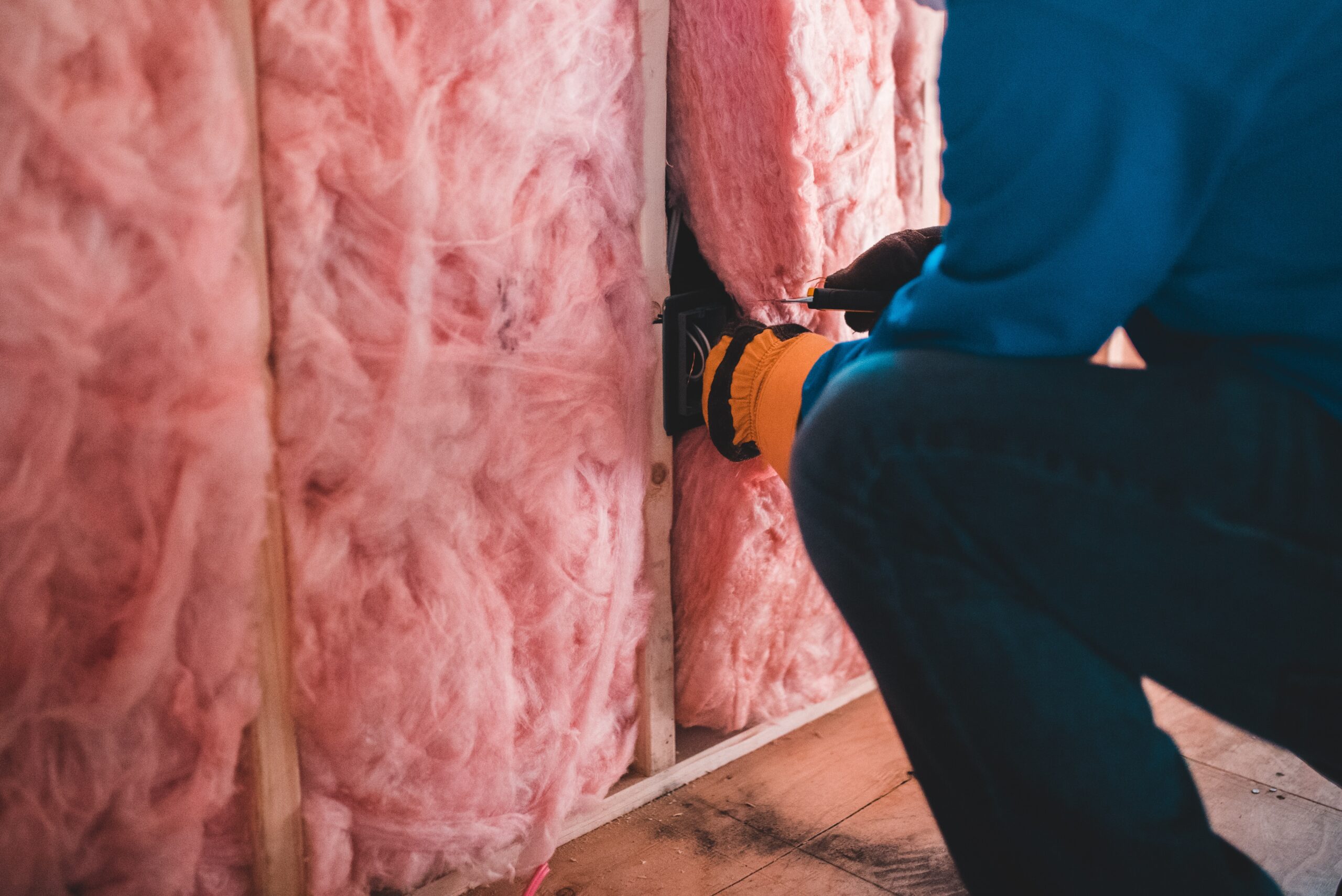
Fiberglass insulation is made from spun glass fibers that are compressed together and held in place with a binding agent. It’s one of the most affordable options on the market and comes in two forms – batts (blanket rolls) or loose-fill.
Batts are pre-cut pieces that fit in between the studs, joists, and rafters of your home’s walls, floors, and ceilings. Loose-fill insulation is blown into cavities using specialized equipment and is ideal for attics or hard-to-reach areas.
2. Cellulose Insulation
Cellulose insulation is made from recycled paper products and treated with fire-retardant chemicals. It’s a cost-effective option and provides excellent soundproofing and moisture control.
Similar to loose-fill fiberglass, cellulose insulation is blown into place using specialized equipment, making it ideal for attics or wall cavities.
3. Spray Foam Insulation
Spray foam insulation is made from various types of plastic resins that create an expanding foam when applied. It provides excellent coverage and air-sealing properties, making it one of the most energy-efficient options available. However, it can be more expensive than other types of insulation.
4. Radiant Barrier Insulation
Radiant barrier insulation is made from a reflective material that helps to keep heat out during hot summer months and during colder seasons. It’s particularly beneficial in warmer climates and can be installed alongside other types of insulation to increase energy efficiency further.
Choosing the Right Insulation for Your Home
When deciding which type of insulation is best for your home, there are several factors to consider, including:
- Climate: Different types of insulation perform better in different climates. For example, spray foam may be a better choice for colder climates, while radiant barrier insulation is more suitable for warmer climates.
- R-value: The higher the R-value of the insulation, the better its thermal resistance. This means it will be more effective in keeping your home at a consistent temperature.
- Cost: Your budget will play a significant role in determining which type of insulation you choose. Keep in mind that while some options may have a higher upfront cost, they can save you money in the long run through energy savings.
- Accessibility: Consider the areas of your home where insulation needs to be installed and choose an option that is easily accessible for installation.
FAQ
How long does insulation last?
The lifespan of your insulation will depend on various factors, including the type of insulation, installation method, and climate. In general, most types of insulation have a lifespan of around 20-30 years.
Can I install insulation myself?
While some types of insulation may be suitable for DIY installation, it’s often best to contact a professional such as iFOAM for optimal results. They can ensure the insulation is installed correctly and provide recommendations for the best type of insulation for your home.
How much insulation should I have in my attic?
The recommended amount of insulation for attics varies depending on climate and location. Generally, experts suggest having between 10 and 14 inches of insulation, which equates to an R-value of around 38 to 49.
Conclusion
Insulation is a crucial aspect of any home, offering numerous benefits for both homeowners and the environment. By understanding the different types of insulation available and considering factors such as climate and budget, you can choose the right option for your home.
Whether it’s fiberglass, cellulose, spray foam, or radiant barrier insulation, the key is to have proper insulation in place to keep your home comfortable and energy-efficient. Do your research, consult with professionals, and make an informed decision that will positively impact your home in the future.