AD
As a father to a one-year-old daughter, I obviously can’t state enough how important a good night’s sleep is. When my daughter was a newborn, I often took short naps around the clock to try to snatch some precious sleep at the same time as my daughter. This didn’t seem to help a great deal however. My exercise routine went entirely out of the window because I was just so tired all of the time.
But why? If I added up the amount of hours I slept, it would usually total the generally coveted eight hours, so why did I still feel so lethargic?
The answer lies in the ‘type’ of sleep I was getting. These short naps I was grabbing rarely lasted for longer than 45 minutes. These so-called ‘powernaps’ weren’t long enough to see me complete a sleep cycle, and certainly didn’t fill me with any extra power!
What’s more, when I did eventually sleep, I was waking with an aching neck and shoulders. At the time, this meant that I had zero motivation to exercise as I used to. My lack of fitness was making it easier to pull muscles, and harder to relax. This vicious circle of low-quality sleep and aches and pains followed me around till my daughter started sleeping through better.
Of course, by then I had truly understood how important sleep is to my entire wellbeing. Without regular good-quality sleep, I’d seen myself quickly turn into an aching, unfit guy who found it hard to concentrate and relax. With that in mind, I thought it best to look into not just how long to sleep, but also how best to support my body whilst recuperating to ensure an uninterrupted night.
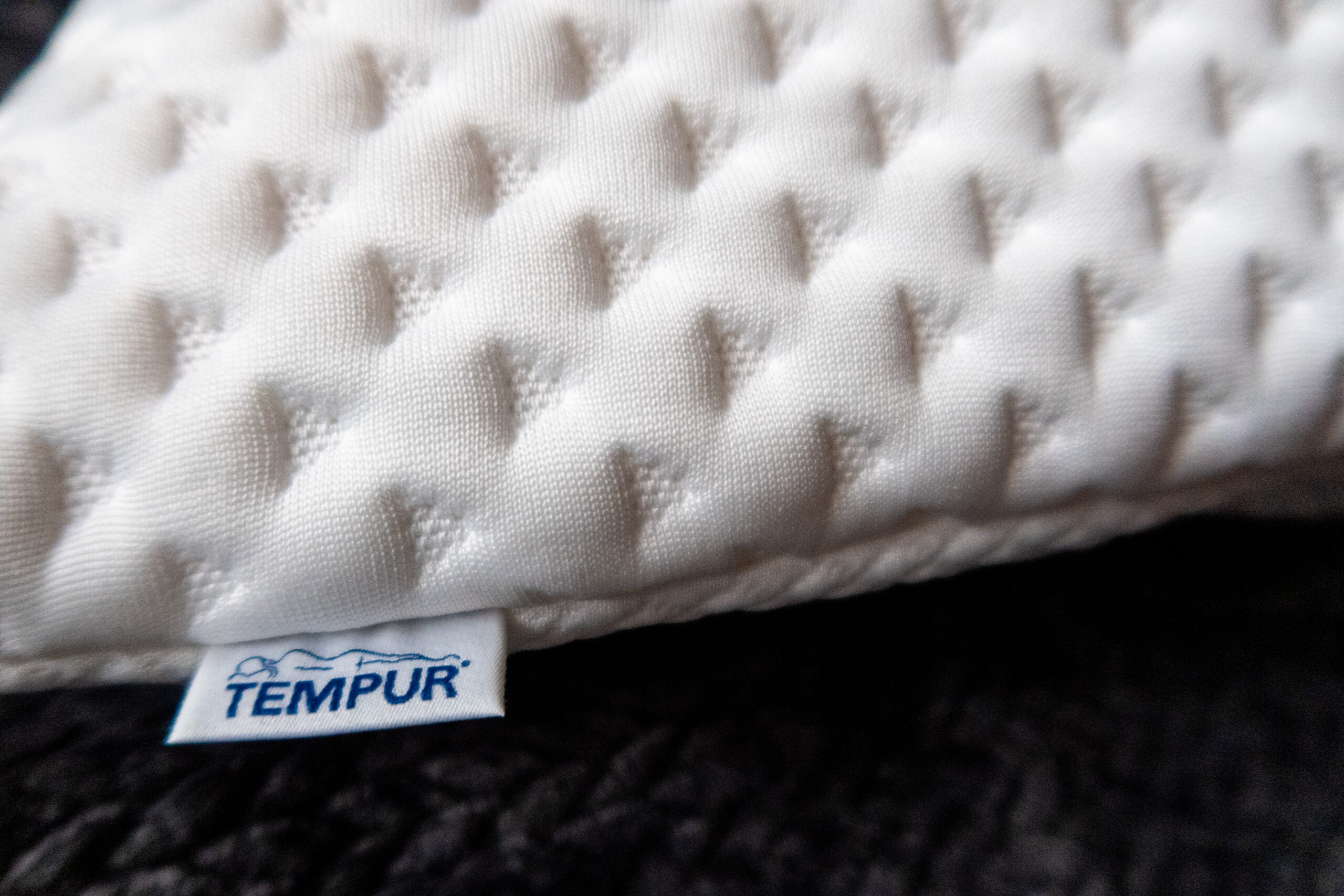
TEMPURⓇ have forged a reputation for supreme comfort and support when it comes to mattresses and pillows. Their special mattress material has actually been developed from NASA technology, and honed over the years to create a premier sleeping experience. To call it ‘memory foam’ is a little misleading, as this is as far from regular rigid memory foam as you can get. Its liquid/solid state construction is a secret only known by 10 people in the world!
It’s said that we spend a third of our life sleeping, so it only makes sense to make such a large part of our lives as comfortable as possible.
My lockdown fitness breakthrough
The recent national lockdowns gave me a chance to re-evaluate my sleep routine (and also sleep in a little longer without a commute to worry about). The first thing I felt I had to do was upgrade my mattress and pillow.
Once that was done, I started looking closer at sleep cycles. The main piece of information I took from this was the length of an average cycle: 90 minutes. By working backwards from when I needed to wake up, I was able to determine the optimum time to go to sleep. I’d count backwards in hour and half increments till I found a comfortable bedtime. Waking up became easier, and the looser day-to-day structure that working from home afforded meant that I could start running again.
I ran the London Marathon just over a decade ago, but had steadily seen my fitness decline since then. It had got to the point that just playing football with my son was seeing me doubled over wheezing after a few minutes.
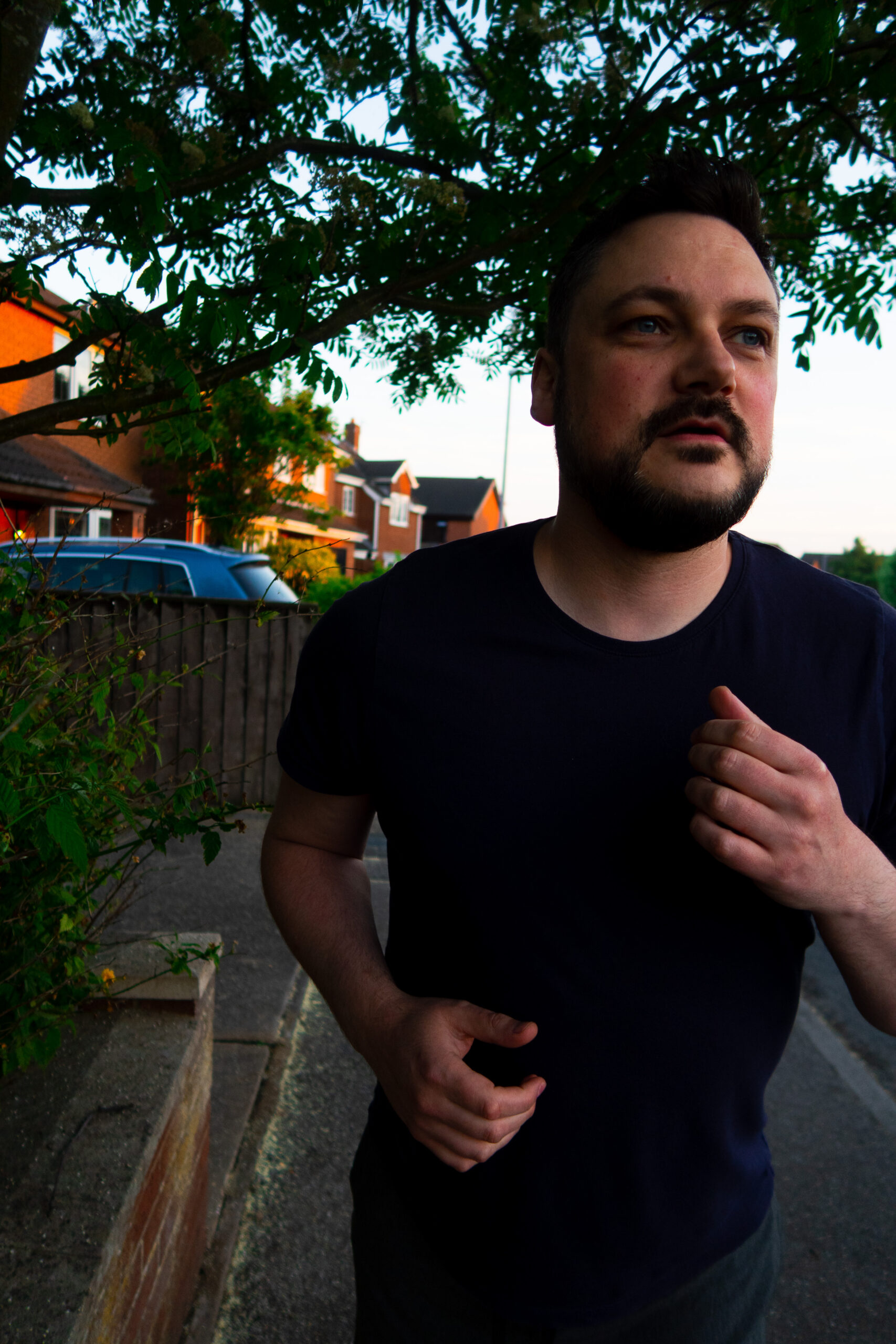
With my newfound energy and less aches and pains, I found it much easier to start pounding the pavements again, working through a 5k plan that eventually saw me hit the target goal over the course of a few weeks. I’m still a long way from my marathon-running days, but I feel so much stronger and healthier than I did prior to my return to running. The mixture of good sleep and regular running is also great for my mental wellbeing. The sleep makes it much easier to handle the stresses of everyday life, while running has always been an almost meditative act for me.
Understanding sleep cycles
Talk of sleep cycles can seem a little daunting to get your head around at first. In reality though, it’s a very simple way to understand how best to plan your sleep to help you feel as sprightly as possible the next day.
Although we all differ slightly, an average adult’s sleep cycle lasts for approximately 90 minutes. This means we’ll run through a few sleep cycles each night (unless you have a baby!).
There’s generally considered to be four stages to each sleep cycle:
- The first lasts for just a few minutes when you’re just dozing off.
- The second stage sees your body relax more and can make up around half of your total sleep cycle.
- During the third stage, we relax even more. This is the stage that we often identify as ‘deep sleep’. It’s thought that this stage is important for recovery and growth.
- The fourth stage is the one in which we have our most vivid dreams, and is identified as REM (rapid eye movement) sleep. If you wake up in the middle of the dream you can remember, you’re likely to have been in this fourth stage.
Links between exercise and sleep
When it comes to fitness, we’re often bombarded with images of people training hard, blending up healthy food, and espousing motivational words. Good sleep tends to get unfairly overlooked as one of the main pillars for good health though.
I’d be surprised if there’s many top-level sportspeople that have bad sleep routines. Professionals are only too aware of the critical importance sleep has on athletic performance and recovery.
To highlight just how critical good sleep is for athletes, TEMPURⓇ have teamed up with DROPS Le Col, a UCI women’s cycling team. Each rider in the team has been given a TEMPURⓇ mattress and pillow in order to aid recovery and rest.
Without good-quality sleep, recovery times from hard training sessions would extend much longer. Our muscle fibres repair themselves during sleep to become stronger and perform better.
Without a good night’s sleep, most of us non-professionals will also find it more difficult to get going in the first place too. That vital rest provides amateurs like me with the energy to get up and move, despite not having thousands of fans or the promise of any prize money to spur me on.
My tips for a good night’s sleep:
- Account for sleep cycles – The average cycle is 90 minutes, but you may find that yours is shorter or longer than that. Try to plan your bedtime so that you wake on the completion of your last cycle. If you still feel a little sluggish though, try tinkering with the timing by five minutes either way until you notice you’re waking easier.
- Exercise – There’s few better ways to get yourself to sleep than making sure you have plenty of physical exertion during the day. If you can do it outside, even better; a large dose of fresh air always seems to help me doze off later on.
- Make sure your sleeping arrangements are comfortable – Invest in a good quality bed. Feeling comfortable makes it so much easier to drift off to sleep. For me, I found that updating my pillow made a huge difference as my neck and shoulders were the places I would most often encounter discomfort.
- Turn off devices – We all know by now about the negative effect of ‘blue light’ on our sleeping patterns. They tend to make it harder to go to sleep, so try to stop looking at your phone or laptop at least an hour or so before bedtime.
- Read a book – It’s an age-old favourite for people trying to nod off everywhere. Just try not to read anything too exciting before bedtime!
This post is in conjunction with TEMPURⓇ, but all thoughts are my own.
Any chance of a tempur giveaway. Looking at getting a new mattress and would love to try the pillows before I comitted.
Not at the moment! Keep checking back though as I’ve got loads of great giveaways coming up.
Can definitely vouch for the pillows though – super comfy.
Yes, I have always struggled with sleep generally and not just my sleep routine. It’s good to see science playing a role in the design of bedding products. Being active and taking exercise during the day is good but the trick is not to fall asleep on the sofa before bed time!
Yes I agree, exercise does help sleep
As I struggle with sleep issues because of health I can verity that doing these suggestions do help. Whilst it’s not a cure all we can all manage better by doing simple things to improve our sleep and rest
I think exercise helps with a good night sleep as well as turning off device and any lights.
I definitely agree. I eat worse and feel sluggish if I dont get a good night’s sleep. I walk 15,000 steps a day to my new job and since I have been doing this I have been sleeping so much better than when I had an office job.
really struggling with my sleep at the moment—some excellent ideas here=great advice
My 11 year old has Down’s Syndrome, as a family we have isolated for the last 16 months as he has a very poor immune system, he also has sleep apnea so his sleep pattern is irregular, he’s a bit of a monkey too for finding trouble to get himself into through the night, as a result for the last 5 years I have shared his bedroom with him to keep him safe, I rarely get more than about 4 hours sleep, I change his nappy through the night, (he is incontinent). I try to grab a few minutes sleep during the day whenever I can but it’s amazing what you can get used to. For exercise I walk up and down our garden as often as I can, we lead an odd life since this pandemice began but we have adapted and will continue to do so.
No telly before bed helps